Neighbor News
Know What's in Your Soaps & Shampoos
Why won't the FDA protect American consumers from toxic chemicals in their personal care products?

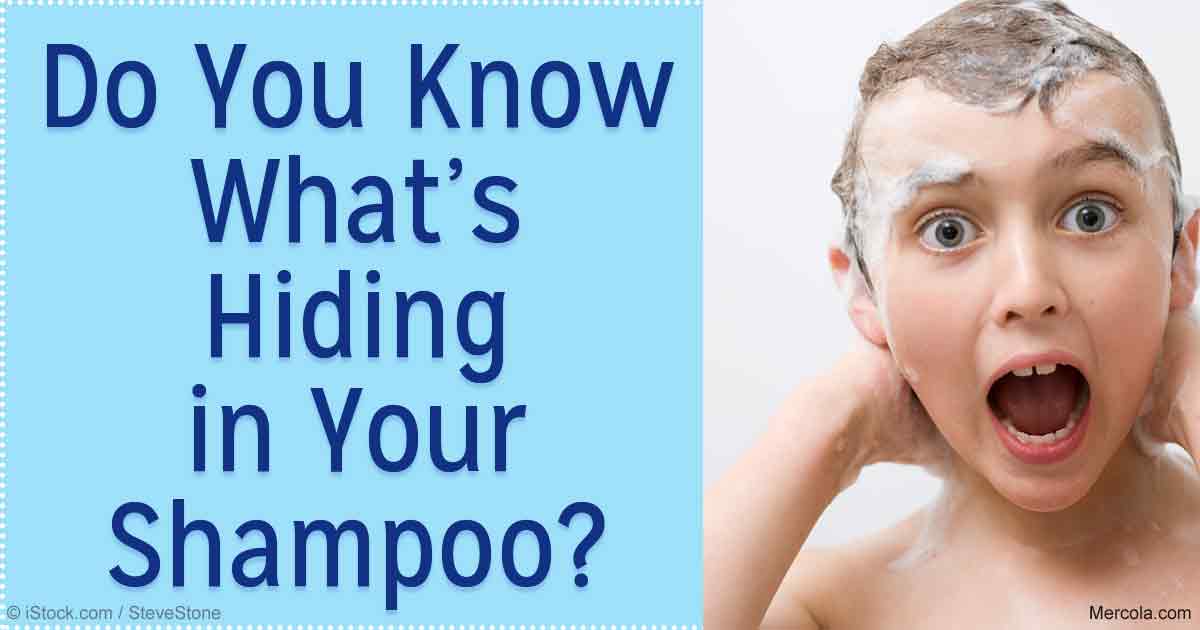
The FDA does have the authority to regulate harmful ingredients in cosmetics and personal care products, but they usually don't. They instead allow the products' manufacturers to regulate themselves. This is truly like the fox watching the hen-house.
To date, there are nearly 13,000 chemicals used in cosmetics, but only about 10% have been evaluated for safety. The European Union prohibits the use of more than 1,300 substances in their personal care products, but the FDA, prohibits only 11, including mercury and chloroform.
What makes matters even worse, if a customer reports to a manufacturer that a product has caused them harm, that company is not required to report such claims to the FDA. On top of that, if a product is deemed to be harmful, the FDA can't even order a recall of that product.
Find out what's happening in Ramseyfor free with the latest updates from Patch.
The average U.S. woman uses 12 personal care products and/or cosmetics a day, containing 168 different chemicals. The cumulative effects of these chemicals are virtually unknown. Most men use fewer products, but they are still exposed to about 85 chemicals daily. Teenagers use the most products, an average of about 17 personal care products a day.
Do You Know What's in Your Soaps & Shampoos?
Find out what's happening in Ramseyfor free with the latest updates from Patch.
Most people don't recognize most of the ingredients on a soap or shampoo label.
In 2012, in response to consumer demand, Johnson & Johnson agreed to remove formaldehyde and 1,4-dioxane out of their baby shampoo and other personal care products as of 2015.
Many soaps and shampoos still are toxic, containing many chemicals including hormone disrupters, that can interfere with development and reproduction, as well as cause serious neurological and immune system effects.
Here is a list of the top few to look out for and to avoid on the labels:
Sodium Lauryl Sulfate (SLS), a surfactant, detergent and emulsifier used in thousands of cosmetic products, as well as in industrial cleaners. It's present in nearly all shampoos, scalp treatments, hair color and bleaching agents, toothpastes, body washes and cleansers, make-up foundations, liquid hand soaps, laundry detergents, and bath oils/bath salts. SLS can potentially be carcinogenic.
Phthalates are plasticizing ingredients that have been linked to birth defects in the reproductive system of boys and lower sperm-motility in adult men, among other problems. Be aware that phthalates are often hidden on shampoo labels under the generic term "fragrance."
Methylisothiazolinone (MIT), a chemical used in shampoo to prevent bacteria from developing, which may have detrimental effects on your nervous system.
Parabens, chemicals found in shampoo, deodorants and other cosmetics, have been shown to mimic the action of the female hormone estrogen, which can drive the growth of human breast tumors.
Here is a list of some toxins that are not on the labels:
Environmental Defense also tested 49 different makeup items, including foundations, concealers, powders, blushes, mascaras, eye liners, eye shadows, lipsticks and lip glosses and their testing revealed serious heavy metal contamination in virtually all of the products:
- 96% contained lead
- 90% contained beryllium
- 61% contained thallium
- 51% contained cadmium
- 20% contained arsenic
Environmental Chemicals May Become More Toxic When Combined
1 in 5 cancers may be caused by exposure to environmental chemicals. According to a study published in the journal Carcinogenesis, this includes chemicals deemed "safe" on their own, but the cumulative effects of these "non-carcinogenic" chemicals can act synergistically produce carcinogenic activity.
The Environmental Working Group (EWG):
The EWG has come to the consumer's rescue with their EWG's Skin Deep Cosmetics Database.
They have toxicity ratings on over 61,000 personal care products, so that you can reduce your toxic exposure. You can also find food products on the site that have been evaluated by the EWG for safety.
Simplify Your Hygiene Routine With Natural Ingredients:
Your skin is a gateway into your bloodstream. Once these chemicals find their way into your body, they tend to accumulate over time.
Be aware that products boasting "all-natural" labels can still contain harmful chemicals, so be sure to check the full list of ingredients. Look for simple ingredients that you recognize and know are safe. If you can't find natural options at your local stores, look online. You can also find great recipes online to make your own products.