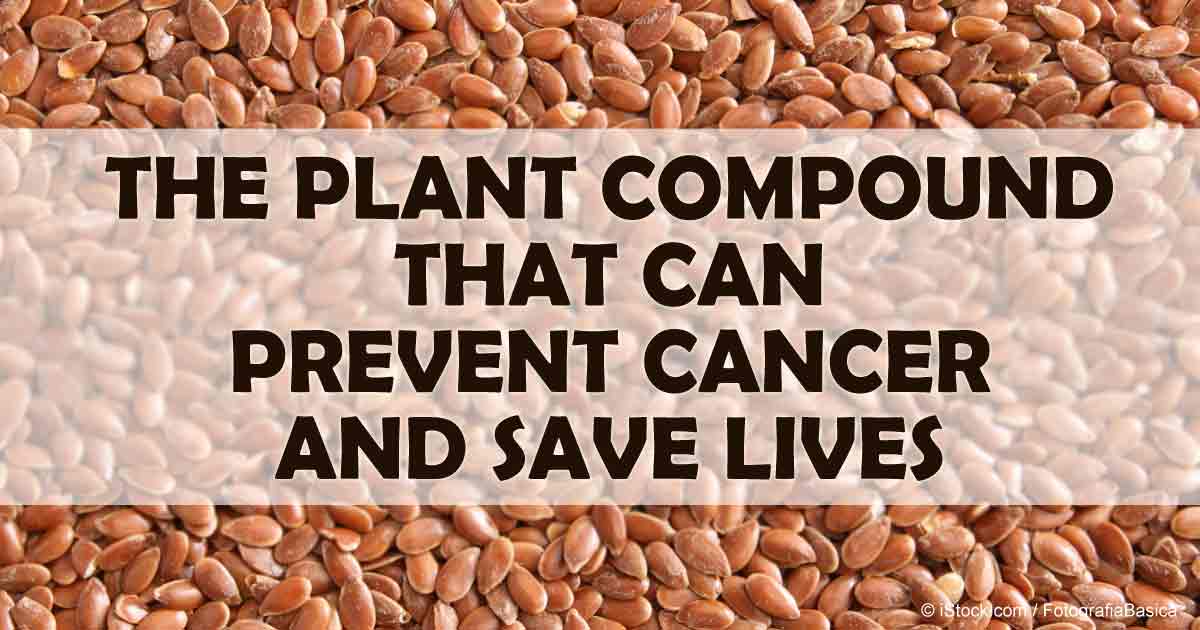
Have you never heard of lignans, don’t worry, you are not alone. Spell check doesn’t recognize the word either. the word “lignan” comes up as being misspelled!
Lignans are a type of plant compound known as polyphenols, which spell check also doesn’t recognize as a word. Polyphenols are antioxidants. Lignan precursors are most abundant in flaxseeds, although they’re also found in sesame seeds, curly kale, broccoli, apricots, cabbage, Brussels sprouts and strawberries, as well as other fruits, vegetables, seeds and whole grains.
When you consume lignan precursors, bacteria in your gut converts the “plant” lignans into “human” lignans, including enterodiol and enterolactone, which have beneficial weak estrogenic activity.
Find out what's happening in Ramseyfor free with the latest updates from Patch.
This can be especially beneficial for women’s health, because if you have naturally high estrogen levels, the weak “estrogens” from lignans may bind to some of your estrogen receptor sites, thereby actually reducing total estrogen activity.
On the other hand, if your estrogen levels are low, lignans may help to supplement your levels to promote a more optimal balance. Its effect on hormonal balance is just one way these plant compounds may benefit your health.
Find out what's happening in Ramseyfor free with the latest updates from Patch.
Lignans May Help Fight Cancer:
The anti-estrogenic effects of lignans, could potentially help reduce the risk of hormone-associated cancers, such as breast, uterine, ovarian and prostate.
According to a review published in Critical Reviews in Clinical Laboratory Sciences:
“Experimental evidence in animals has shown clear anticarcinogenic effects of flaxseed or pure lignans in many types of cancer.”
Flaxseeds contain 100 times more lignans than any other known plant source and are one of the most powerful foods you can eat to lower your risk of breast cancer.
Heart Health Benefits of Lignans:
Aside from cancer, there is evidence that eating a diet rich in plant lignans may be linked to a lower risk of heart disease. In a study of nearly 2,000 men, those with the highest enterolactone levels, which are a marker of plant lignan intake, were significantly less likely to die from coronary heart disease than those with the lowest levels.
Research also shows that adding flaxseeds to your diet may have a favorable effect on cholesterol levels, although it’s unknown at this time if that’s due to the lignans or other heart-healthy nutrients or phytochemicals found in flaxseeds, such as plant-based omega-3s or fiber.
Potential Bone Health and Antioxidant Effects:
It’s known that phytoestrogens’ estrogenic effects in bone could help maintain bone density. In the case of osteoporosis, research suggests enterolactone excretion (a marker of dietary lignan intake) was positively associated with bone mineral density in the spine and hip of postmenopausal women, although more research is needed in this area.
What Are the Best Food Sources of Lignans?
Seeds, such as flax, pumpkin, sunflower, poppy and sesame, berries, and vegetables are among the best food sources of lignans. Flaxseed is the richest dietary source and crushing the seeds may improve lignans’ bioavailability. However, because flaxseeds are highly perishable and turn rancid rapidly, you should buy organic whole seeds and grind them yourself just prior to use. Avoid the pre-ground versions. Flaxseed oil does not typically contain lignans.
In the US, consumption of phytoestrogens such as lignans is low. It’s thought the average intake for postmenopausal women is less than 1 milligram a day. You may need to consume between 50 and 100 mg of lignans a day to raise enterolactone to beneficial levels. That is about 3 - 4 tablespoons of unrefined ground flaxseed per day.
If you’d like to increase your dietary intake, you can also find beneficial lignans in a supplement form.