The ancient Greeks recognized the link between health, longevity and physical activity. Modern research has confirmed what the ancients had figured out on their own.
Exercise is one of the best, if not the best "preventive drug" for many common ailments and chronic diseases. These include; psychiatric disorders, cardiovascular ailments, diabetes, cancer and more. Diet is another huge factor that plays into this equation.
Dr. Timothy Church is the director of preventive medicine research at the Pennington Biomedical Research Center in Baton Rouge. Dr Church stated that - Exercise strengthens the entire human machine — the heart, the brain, the blood vessels, the bones, the muscles. The most important thing you can do for your long-term health is lead an active life.
Find out what's happening in Ramseyfor free with the latest updates from Patch.
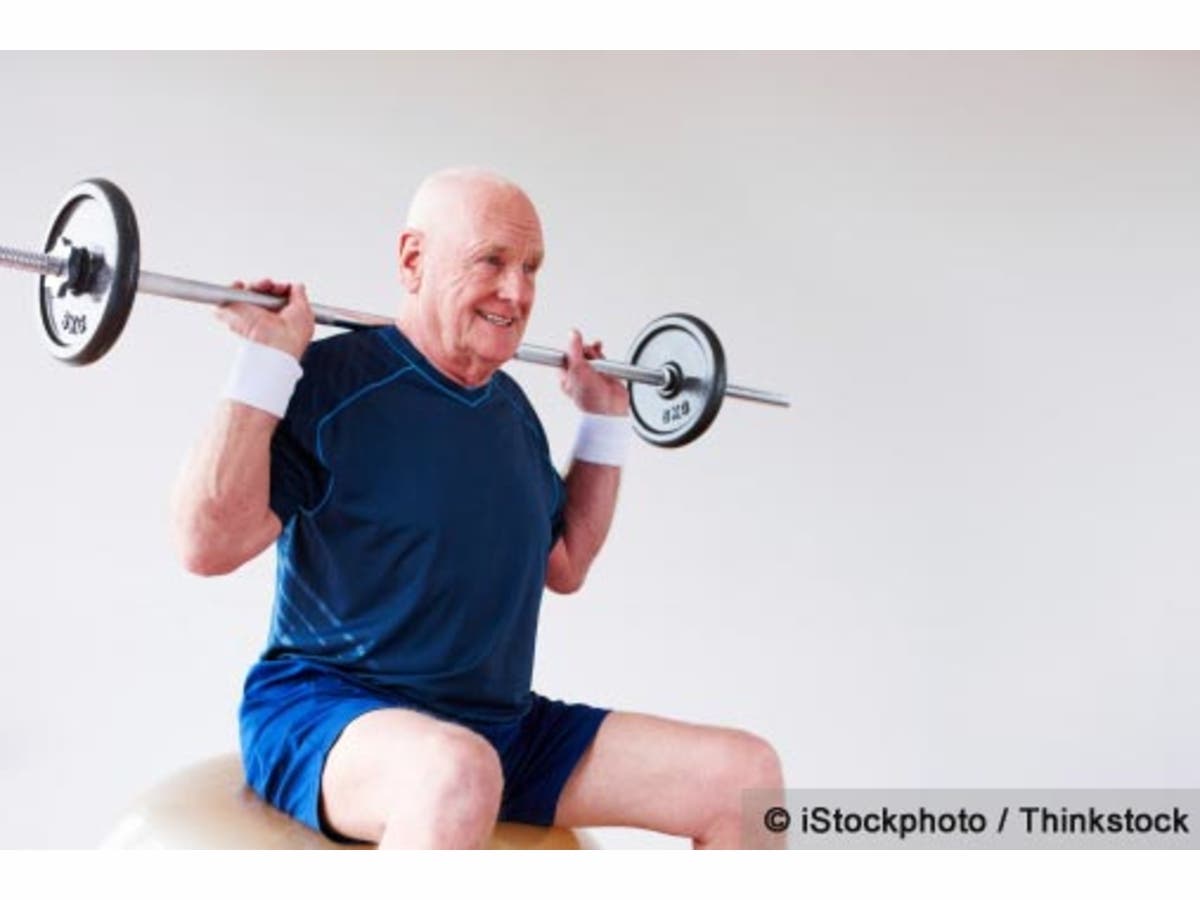
The following four types of exercise are important; cardiovascular, flexibility, balance and strengthening. Strength training is often overlooked by many women, since they don't want to "bulk up". A number of elderly individuals might think that strength training is only for the young and think that it might be too strenuous or too dangerous for someone of their age. Parents can reason that their children are too young to do strength training, since they should wait for their growth plates to fuse.
The truth is that nearly everyone, regardless of age or gender, will benefit from strength training if done properly. Different exercises and different amounts of resistance are appropriate for specific individuals. This is not a one size fits all situation.
Find out what's happening in Ramseyfor free with the latest updates from Patch.
Strength training can tone and strengthen muscles, help to shed excess fat, maintain healthy bone mass and prevent age-related muscle loss.
Load-Bearing Exercise and Your Health:It has been well documented that load-bearing exercises help to prevent and also can help to reverse bone loss, as well as the postural deficits that tend to worsen with each passing year.
Osteoblasts lay down new fresh bone and osteoclasts re-absorb old and brittle bone. During our youth, this process is well-balanced. As we age, the osteoblasts don't keep up with the osteoclasts and bone density diminishes.
With age, a similar loss occurs with muscle mass and with muscle tone. The result of all of this is that mobility is diminished. With less mobility comes less activity. This begins the slow spiral downward.
Strength Training Can:
1. Improve insulin sensitivity
2. Reduce the risk of metabolic syndrome
3. Reduce menopausal symptoms
4. Reduce inflammation
5. Improves cognitive function
6. Reduce anxiety and depression
7. Promote greater well-being
8. Improve cardiovascular fitnessMake sure that you start off slowly. If you are not used to exercising, consult your physician before beginning any new program. I also recommend finding a qualified personal trainer to work with you, in order to head you on the right path. If you would like a recommendation for a personal trainer, please feel free to contact my me.