Neighbor News
Magnesium Helps To Protect Against Stroke
In addition to helping to protect against stroke, magnesium also helps to protect against heart attack and diabetes.

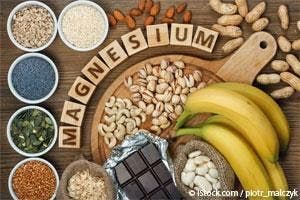
Magnesium is so important to so many chemical reactions inside of the human body.
I found this on the National Institute of Health's website:
"Magnesium is a cofactor in more than 300 enzyme systems that regulate diverse biochemical reactions in the body, including protein synthesis, muscle and nerve function, blood glucose control, and blood pressure regulation. Magnesium is required for energy production, oxidative phosphorylation, and glycolysis. It contributes to the structural development of bone and is required for the synthesis of DNA, RNA, and the antioxidant glutathione. Magnesium also plays a role in the active transport of calcium and potassium ions across cell membranes, a process that is important to nerve impulse conduction, muscle contraction, and normal heart rhythm."
Find out what's happening in Ramseyfor free with the latest updates from Patch.
Now, you may be getting a feel for why magnesium is so important.
I just wrote about magnesium possibly helping ease the symptoms of tinnitus on Friday and I just was on a telethon yesterday, to benefit stroke and aphasia survivors
Find out what's happening in Ramseyfor free with the latest updates from Patch.
If you are looking for a way to decrease your risk of developing coronary heart disease, the risk of having a stroke, or developing type 2 diabetes, research has revealed that consuming a total of about 300 milligrams of magnesium, between your dietary consumption and supplementation, will go a long way to accomplish those goals.
Researchers at Zhejiang University and Zhengzhou University in China, found that more than 1 million people across nine countries who consumed the most magnesium, tested out with a 10% lower risk of coronary heart disease, a 12% lower stroke risk and a 26% lower risk of type 2 diabetes.
While the World Health Organization (WHO) recommends 400 mg to 500 mg of calcium, Carolyn Dean, a member of the Nutritional Magnesium Association’s Medical Advisory Board advises a 1-to-1 balance with magnesium, with calcium consumed through your diet and adding vitamin D doses along with vitamin K2, “and all of these measures combined will protect your bones as well as your heart.”
Magnesium helps with detoxification and helps to synthesize the "master antioxidant" glutathione. It also plays a vital role in your body’s mitochondrial performance and in improving your energy level.
Magnesium is in the heart of the chlorophyll molecule, so all green vegetation contains magnesium.
Foods that contain good levels of magnesium include; spinach, collard greens, Swiss chard, turnip greens, beet greens, broccoli, Brussels sprouts, kale, bok choy, romaine lettuce, raw cacao, avocadoes, nuts and seeds, fruits and berries, squash, wild-caught Alaskan salmon, and spices, including chives, coriander, cumin, parsley, mustard seeds, fennel, basil and cloves.