Neighbor News
Making Buying Organic Produce Affordable
If you are on a food budget, how can you determine what produce you should invest the extra money to buy organic?

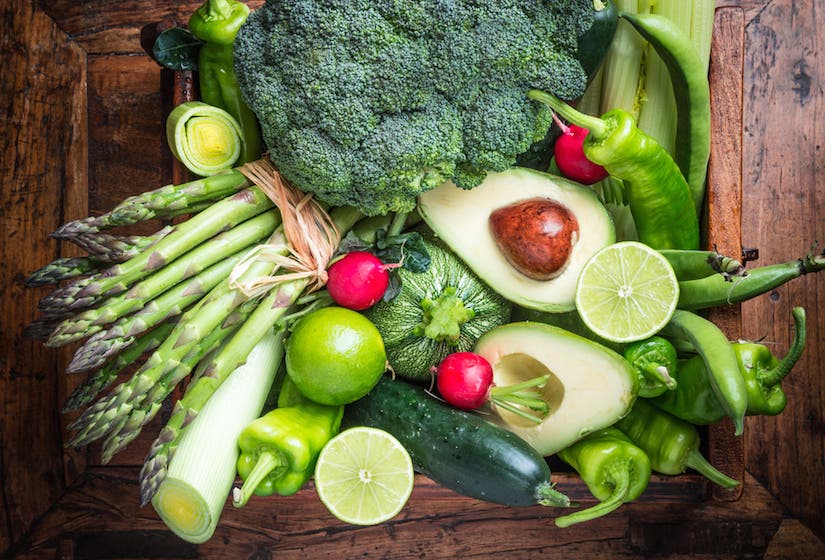
If you are on a food budget, how can you determine what produce you should invest the extra money to buy organic?
Yes, organic food is often more expensive, but it could save you in the long run, with better health, less medical bills and a greater quality of life.
The key is to shop smart, by following this guide!
Find out what's happening in Ramseyfor free with the latest updates from Patch.
KNOW THE CONTAMINATION SCALE
Not all conventional produce is created equal when it comes to human interference.
Find out what's happening in Ramseyfor free with the latest updates from Patch.
Some crops are exposed to pesticides to a greater degree than others, meaning they are higher up the scale of contamination. Pesticides have been linked to a variety of health problems, including hormone disruption, cancer and toxicity
The strategy is to buy organic the items that are the MOST tampered with chemically.
THE WORST OFFENDERS
Named the DIRTY DOZEN by the Environmental Working Group (a body which conducted tests on conventional produce and rated the various fruit and vegetable groups according to the amount of pesticides found present), the foods that exhibit the highest levels of pesticide residues are (in order of contamination):
1. Apples
2. Strawberries
3. Grapes
4. Celery
5. Peaches
6. Spinach
7. Sweet Bell Peppers
8. Imported Nectarines
9. Cucumbers
10. Cherry Tomatoes
11. Imported Snap Peas
12. Potatoes
In addition, two further foods have been shown to contain traces of pesticides that are highly toxic to human health (more so than usual). These are the DIRTY DOZEN PLUS, aka:
1.Hot Peppers
2. Kale/Collard Greens
SAFE CONVENTIONAL PRODUCE
Along with identifying the foods to buy organic, the Environmental Working Group have also named the foods that show the LEAST amount of pesticide residue. These are the CLEAN FIFTEEN:
1. Avocados
2. Sweet corn
3. Pineapple
4. Cabbage
5. Frozen Sweet Peas
6. Onions
7. Asparagus
8. Mangoes
9. Papaya
10. Kiwi
11. Eggplant
12. Grapefruit
13. Cantaloupe
14. Cauliflower
15. Sweet Potatoes
Therefore, if you can’t afford to go 100% organic, the above conventional produce will not prove to be as harmful.
FINAL TIPS
Whether you are eating organic or non-organic food, fresh fruits and vegetables are a healthier choice than processed foods.
Local produce can often be fresher and significantly cheaper than produce shipped over huge distances. Try to check out the organic produce at your local farmers’ market.
You can also grow your own organic garden!