Neighbor News
Is Nearsightedness (Myopia) the Future of Mankind?
The number of people suffering from nearsightedness has grown significantly in the past years

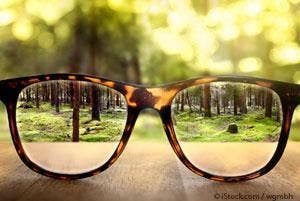
Nearsightedness, or myopia, is a condition of the eyes making it difficult to see distant objects. With myopia you are able to see objects up close easier, such as books and your cell phone. The distance at which the objects begin to become blurry can change over time.
To give you an example of what has been happening, in the early 1970s, the percentage of nearsighted people was approximately 25% of those living in the U.S. Thirty years later, that percentage jumped to 42%.
A meta-analysis of 145 studies, involving over 2 million participants, predicts that nearly half of the world will be wearing glasses by the year 2050.
Find out what's happening in Ramseyfor free with the latest updates from Patch.
Nearly 10% will suffer from high myopia, where their nearsighted condition puts them at greater risk for glaucoma, retinal detachment, cataracts and macular degeneration.
Why is this happening?Your vision is affected by many factors. For many years, the science community laid the blame for nearsightedness on genetics, but the human gene pool has not significantly changed since the 1970s, but other factors have.
Find out what's happening in Ramseyfor free with the latest updates from Patch.
There is also a huge disparity between the number of near sighted individuals in industrialized nations, as compared to poor countries.
Consider These Factors:
1. People in industrialized nations spend much more time indoors under artificial light, rather than outdoors with natural light. It seems that the eyes need to absorb sunlight, in order to stay healthy.
2. People in industrialized nations spend much more time in front of computer and phone screens, although that is changing since technology is getting so inexpensive for the poorer nations.
3. Eating fast food and junk food with high net carbs, doesn't provide the produce and the nutrients in that produce to keep the eyes in good shape.
4. Increased sugar consumption causes insulin resistance and higher blood sugar levels damage the eyes.
10 Tips To Improve Your Vision:
1. Reduce the amount of eye strain, by reducing all screen time and unfortunately do less reading too.
2. When you use screens, try to use larger screens and increase the size of the font on the screen, to reduce eye strain.
3. Normalize your blood sugar by eliminating junk food and processed foods. Eat organic foods made from scratch, with plenty of fresh produce.
4. When using a screen, take your eyes from your screen for a minute, every fifteen minutes and look at things that are at a distance more than twenty feet from where you are. It is also a good idea to get up and walk around for that minute. This will increase blood flow, pump fluids that had been settling in your legs, increase your productivity and can also actually increase your odds of living longer.
5. Vitamin C supplementation can also help, as well as taking other nutrients in supplement form, such as lutein, astaxanthin and omega-3s.
6. Reduce your blue light exposure. The blue light from your computer screen and the light from compact fluorescent bulbs, may reduce your production of melatonin, reducing your sleep and increasing your risk of diabetes. Insulin resistance increases your risk of myopia. You can purchase blue light filters for your computer screens and phone screens too. Use full spectrum light bulbs, which are much healthier for you that compact fluorescents.
7. Spend more time outside in the sunshine, since sunshine releases dopamine in your retina, slowing the growth of your eye and therefore possibly slowing the elongation of the eye and changes to your eyesight.
8. When you are in front of a computer screen, sit at least an arms-length from your computer. Also try to reduce the glare from your screen, using an anti-glare and blue light filtering screen cover.
9. Try to relax your face and eye muscles. Stress can increase the tension in the muscles controlling your eyes and in your face. This tension, over enough time, can change the shape of the eye. One method of eye relaxation is called the Bates Method, which is a relaxation method to reduce the tension in your eye muscles.
10. Avoid trans fats, which may contribute to macular degeneration and may interfere with omega-3 fatty acids.