Health & Fitness
A New Study Links Vitamin D Deficiency with Breast Cancer Cell Growth
There was a very interesting recent study, published in the journal "Endocrinology" about breast cancer.

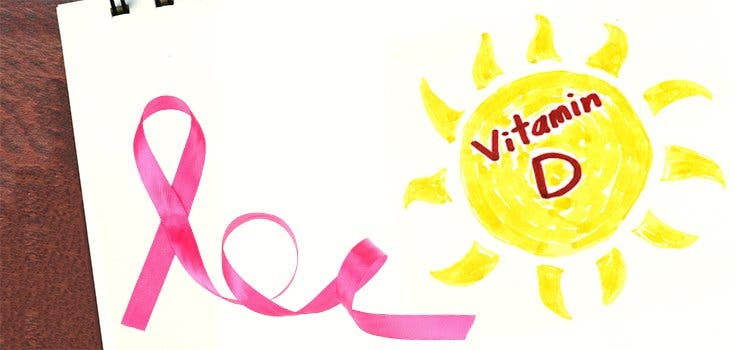
As more research continues, we are realizing that our diet and lifestyle choices greatly impact gene expression. Good genes can be turned on and bad genes can be turned off. We are not a slave to our DNA, as it was once thought.
This does not mean that we should ignore what has been passed down from our ancestors. What it does mean is that if we have a predisposition for cancer, we don't have to wait around for that ticking time bomb to explode. We can instead choose to be proactive. Through diet and lifestyle modifications, there is an excellent chance that we can successfully snuff out the fuse to that cancer time bomb.
It is estimated that as much as 35% of all cancers have a root cause in nutritional imbalances. When lifestyle factors such as smoking and exercise are included, the associated risks become much stronger and may be as high as 85%.
Find out what's happening in Ramseyfor free with the latest updates from Patch.
This recent study, published in the journal Endocrinology, shows a direct correlation between vitamin D deficiency and the spreading of breast cancer cells.
The study, titled “Tumor Autonomous Effects of Vitamin D Deficiency Promote Breast Cancer Mestastasis,” indicates that not only are many breast cancer patients found frequently to have a preexisting deficiency in vitamin D levels (low serum 25-hydroxyvitamin D), but a number of epidemiological studies have found an inverse link between breast cancer risk and vitamin D status. This again outlines the vitamin D-cancer relationship.
Find out what's happening in Ramseyfor free with the latest updates from Patch.
Vitamin D is naturally made by the body when we spend time in the sun, but it can also be derived from food or taken as a supplement:
Increasing levels of vitamin D3 among the general population could potentially prevent chronic diseases that claim nearly a million lives each year. The incidence of several types of cancer could also be slashed in half. Vitamin D also effectively fights infections of all kinds.
Fortunately, the solution is both simple and inexpensive. To maximize the benefits of vitamin D, you need a vitamin D level of at least 40 to 60 ng/ml (a more ideal level may be 50 to 70 ng/ml).
While sunlight is the ideal way to optimize your vitamin D, winter and work prevent more than 90% of people from achieving ideal levels without supplementation. The only way to know that you have therapeutic levels of vitamin D is to measure it. Typical effective doses of vitamin D3 are between 5,000 to 10,000 IU per day.
It is also important to take vitamin K2 along with vitamin D, in order to get the calcium into your bones and teeth, where it belongs and not into your blood vessels and soft tissues, where it doesn’t belong. I recommend about 100 mcg of the MK7 version of vitamin K2 per day. If you are taking anticoagulants, consult your physician prior to taking vitamin K2.