Neighbor News
Oregano Oil & Your Immune System
Oregano does much more than simply adding flavor to Italian dishes.

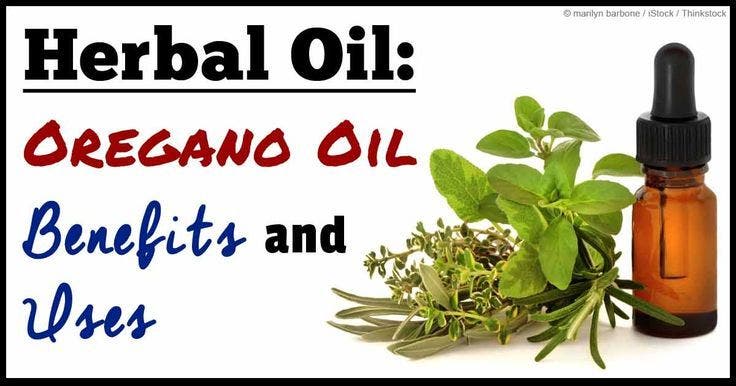
Oregano has a wide range of health benefits. The word "oregano", comes from the Greek words "oros" and "ganos," which are words for "mountain" and "joy", so oregano literally means "joy of the mountain".
Oregano oil is derived from the leaves and flowers of the oregano plant, which is a bushy perennial herb that is actually a member of the mint family. Oregano is native to Europe, although it grows in many areas around the world. Oregano grows up to about 3 feet high and has dark green leaves that are about an inch long.
The ancient Greeks and Romans utilized oregano for a number of medicinal purposes. Oregano was revered as a symbol of happiness. It was an ancient tradition to crown brides and grooms with a laurel of oregano.
Find out what's happening in Ramseyfor free with the latest updates from Patch.
There are over 40 oregano species, but the most therapeutically beneficial is the oil produced from wild oregano or Origanum vulgare, which is native to the Mediterranean.
To the Buyer Beware!
Find out what's happening in Ramseyfor free with the latest updates from Patch.
Much of the oregano oil sold, is not made from this variety and therefore may have little to no therapeutic value. The most therapeutic varieties are Origanum vulgare and Thymus capitatus, which is another variety that grows in Spain.
To obtain oregano oil, the dried flowers and leaves of the wild oregano plant are harvested when the oil content of the plant is at its highest and then distilled. The resulting oil is golden to dark yellow, with a strong spicy odor. That is the downside of using oregano oil. You can end up smelling like a pizzeria
Oregano oil has powerful antimicrobial properties that can help fight off infections. Oregano oil also has antibacterial, antiviral, and antifungal properties.
Other uses of Oregano Oil Are:
• Treating foot or nail fungus. Put a few teaspoons of oregano oil in a basin of water and soak your feet in it. You can also dilute the oil (mix a drop with a teaspoon of olive or coconut oil), and then apply it on your nails or skin.
• Help in killing parasites and easing infections. Dilute the oil (mix a drop with a drop of a carrier oil such as coconut oil), and place it under your tongue. Hold it there for a few minutes, and then rinse it out. Repeat this at least four times a day.
• Alleviating sinus infections and colds. Put a few drops of oregano oil in a pot of steaming water, and then inhale the steam. If you combine four drops of oregano oil with 10 drops of lemon oil and a quarter-cup of white vinegar, and then add to a bucket of water, you can use this mixture to wipe down and clean surfaces.
Is Oregano Oil Safe?
Yes it is, as long as it's diluted in water or with a carrier oil. Some top choices are jojoba, olive or coconut oil.
Clinical herbalist Michelle Lynde says the ideal ratio when diluting this herbal oil is one part oregano oil to three parts carrier oil.
It is recommended that you spot test as well to check if you have any allergic reactions to oregano oil. Simply apply a diluted drop on your arm and see if any irritation occurs.
Be careful when buying oregano oil because some manufacturers sell adulterated oils and oils made from thyme, Spanish oregano, or cultivated oregano, which DO NOT provide any health benefits.
Side Effects of Oregano Oil:Some people may experience stomach upset when ingesting oregano oil, or even the herb itself. Those who are allergic to plants from the Lamiaceae family, such as mint, lavender, sage, and basil, should also avoid this oil, as they may also develop an allergic reaction.
Oregano oil is also NOT advisable for infants and children. Pregnant or nursing women are should not use oregano oil both topically and orally.
You should always consult your physician, prior to using oregano oil for any problem. Oregano oil may not be appropriate for certain conditions, such as an acute infection, which may require a more aggressive treatment protocol.