Neighbor News
Over 90% of Humanity Breathes Polluted Air
The World Health Organization (WHO) has bad news about the quality of the air that we breathe.

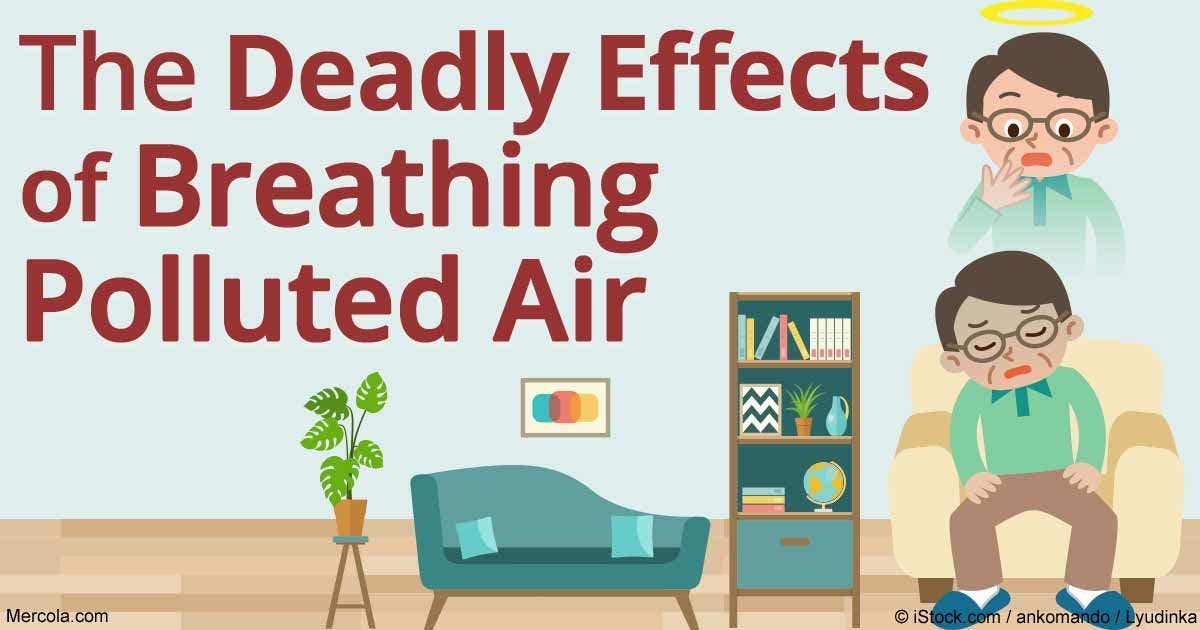
The World Health Organization stated in a report that was released in 2016 that 92% of the world's population breathes in polluted air. Only 8% of humanity is breathing air that met WHO standards.
It is estimated that toxins in our environment are responsible for at least 25% of deaths worldwide. We are all dependent on the air that we breathe to live. Poor air quality can cause serious damage to our lungs, heart and other organ systems.
There is little escape from polluted air, since indoor air quality may be even more dangerous than outdoor air quality. According to the Environmental Protection Agency (EPA), poor indoor air quality is one of the top public health risks. Studies of human exposure demonstrate that indoor pollution levels may be two to five times higher than outdoor levels.
Find out what's happening in Ramseyfor free with the latest updates from Patch.
Air Pollution Rates Are on the Rise Around the World:
Find out what's happening in Ramseyfor free with the latest updates from Patch.
Air pollution is getting worse and not better. Data suggests that the majority of past outdoor air pollution sources were from inefficient transportation vehicles, industrial activities, coal-powered plants and burning of household fuel and waste.
The WHO did not factor in ozone or nitrogen oxides, which are also known pollutants. This current report also considered elevated air pollution levels of sulphates, black carbon, mineral dust, ammonia, nitrates and sodium chloride. When oxygen combines with nitrogen oxides, volatile organic compounds (VOCs) and sunlight, ozone is formed.
Particulate Size Matters:
Particulate pollution is a term describing both solid particles and liquid droplets. Particles, such as dust, dirt, smoke or soot, are large enough to be seen with the naked eye, while other particles are so small that you need an electron microscope to see them.
The size of inhalable particles is usually less than 10 microns. To put this into perspective, the diameter of the average hair shaft is 70 microns.
Fine particulate matter, which is less than 2.5 microns in size, is responsible for reduced visibility and is the most dangerous type of air pollution. These particles are so small that they can be inhaled deep into your lungs and even make it into your bloodstream.
Deadly Effects of Breathing Polluted Air:
Poor outdoor air quality has been linked to both chronic and acute respiratory diseases, such as asthma and lung cancer. According to the International Agency for Research on Cancer (IARC), air pollution that originates from industrial exhaust and traffic is also linked to bladder cancer.
The American Lung Association reports that air pollution may be associated with:
1. Developmental delays in children
2. Premature death
3. Reproductive health problems
4. Asthma
5. Increased susceptibility to infections
6. Wheezing and shortness of breath
7. Lung cancer
8. Lung tissue redness and swelling
9. Cardiovascular health concerns
Your Indoor Air Is Likely More Polluted Than Outside
As dangerous as outdoor air may be, your indoor air quality could be even worse.
Pollution in your home may come for a variety of sources:
1. Paints, paint strippers and solvents
2. Wood preservatives
4. Moth repellents, air fresheners and aerosol sprays of various kinds
5. Stored fuels and car products
6. Dry-cleaned clothing
7. Copier and printer fluids
8. Graphic and craft materials
9. Pesticides
10. Building materials
11. Correction fluid
12. Hobby supplies
13. Wood glue
14. Permanent markers
15. Pressed wood products made with MDF board
16. Household cleaning products
What Can You Do to Improve Your Air Quality?
The good news is you can make a significant difference in indoor air quality.
1. Filter Your Air
2. Decorate With Plants (Plants can remove pollutants from the indoor air)
3. Don't Use Harsh Cleaning Products
4. Don't Use Scented Candles
5. Open the Windows (Since the indoor air can be more polluted than the outdoor air)