Neighbor News
Philly’s Soda Tax fell flat – what does it mean for other cities?
The Soda Tax in Philadelphia was supposed to increase revenues and decrease obesity. Did it?



After much heated debate, Philadelphia decided to impose a city-wide 1.5 cent per ounce excise tax on beverages sweetened with sugar. This was the first tax of this kind to be introduced in a big city. It was intended to provide a way to fund libraries, parks, community schools, recreation centers and pre-kindergarten programs.
As I blogged previously, Imposing the tax created mixed feelings amongst Philadelphians with many supporting the tax because of the programs it was going to fund. It had its opponents too, however, who vigorously condemned the tax. Groups like Ax the Bev Tax have been outspoken about why they don’t want it and why it should be repealed.
Some Interesting Facts
- Philadelphia’s beverage tax is 24 times the Pennsylvania excise tax rate on beer.
- The soda tax was passed to raise revenue. It was not part of a health initiative as it has been in some other places.
- Diet beverages were included in the tax to maximize revenue potential.
Revenue shortfall
Since this tax took effect in the month of January, revenue has fallen short of what was expected. However, Mike Dunn, a spokesman for the city, said it was too early to make any judgments about the results. He said that the shortfall could be due to retailers stocking up on products prior to the tax coming into effect as well as the fact that soda sales are seasonal (figures only represent half a year).
Find out what's happening in Ramseyfor free with the latest updates from Patch.
Catalina Study
A study by Catalina, a market research firm, found that people were driving outside of the city limits to stock up on fizzy, sugary drinks. Their results indicated that while the sales of carbonated soft drinks fell inside the city, they rose outside of it. The study analyzed 109 million transactions at drug and grocery stores.
Philly remains confident
In response to the Catalina study and revenue shortfalls, spokesman Mike Dunn says the city remains confident that it did the right thing to impose the tax. It insists that the revenue will make a difference in the lives of thousands of families. It anticipated that people would drive outside the city initially but felt this would stop over time. Dunn also pointed out that supermarkets account for less than half of all beverage sales in Philadelphia.
Find out what's happening in Ramseyfor free with the latest updates from Patch.
City officials remain convinced that those who oppose the tax are spreading stories about its negative effects on those involved in the beverage industry and creating fears to prevent other cities from following suit.
Impact on beverage industry
This has been a topic of a lot of discussion among those of us in the beverage industry. However, as much as the city overestimated revenues from the soda tax, it’s also possible that it underestimated its impact on the beverage industry. Stories have emerged of the negative impact on local manufacturers and convenience store workers.
According to some of the local retailers and distributors, their sales have dropped by nearly 50 percent. PepsiCo has blamed the new tax for a drop-in business, as has Canada Dry and both companies have been forced to lay off employees. Retailers have also suffered, and Jeff Brown of Brown’s Super Stores has also had to lay off workers.
Anthony Campisi of the American Beverage Association strongly opposes such a tax. He believes that the economic problems created by the beverage tax outweigh any possible benefits.
The status in Cook County
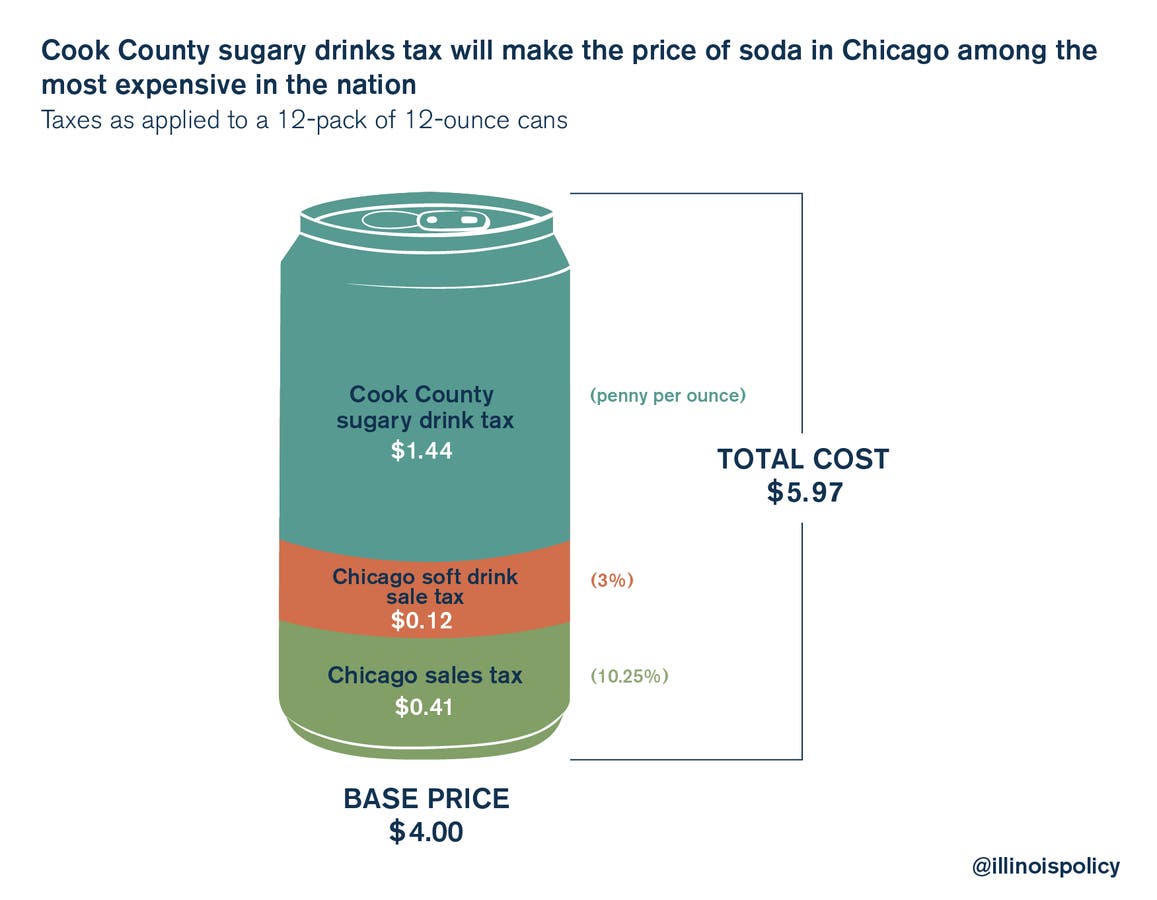
Taxes on sweetened drinks are a new phenomenon in U.S. cities. Cook County in Illinois also voted to introduce such a tax but only two months after it came into effect, enough Cook County commissioners are backing its repeal to override the veto of Toni Preckwinkle, Board President.
Since the tax came into effect in early August, public backlash has been significant, with a campaign funded by the American Beverage Association fueling opposition. The ‘pop’ tax is likely to expire in December. Constituents have been vocal about the fact that they do not want it. Should it be repealed, commissioners will have to start working to find other ways to fill the hole in the proposed budget which relied on the tax being in place.
Outcomes are being closely watched
The goal of the soda tax in Philadelphia was to raise revenue and even though revenue collection has fallen short of what was expected, a vote to end the tax in Philadelphia is unlikely. The opponents of the tax are watching the outcome closely.
The constituents who supported the tax because of the programs it was to fund might have to review their opinions. The actual revenue collected fell short and may to continue to fall short. The legal battles and harm to manufacturers and retailers may have also given them pause for thought. Other cities watching the effects of the tax would do well to consider using programs with more predictable, broader based tax instruments to fund projects such as prekindergarten programs and the like. To keep up on these and other issues related to the soda tax, please connect with me on LinkedIn.