Neighbor News
Resveratrol & Arterial Health
Resveratrol may improve the condition of blood vessels, particularly with type 2 diabetics.

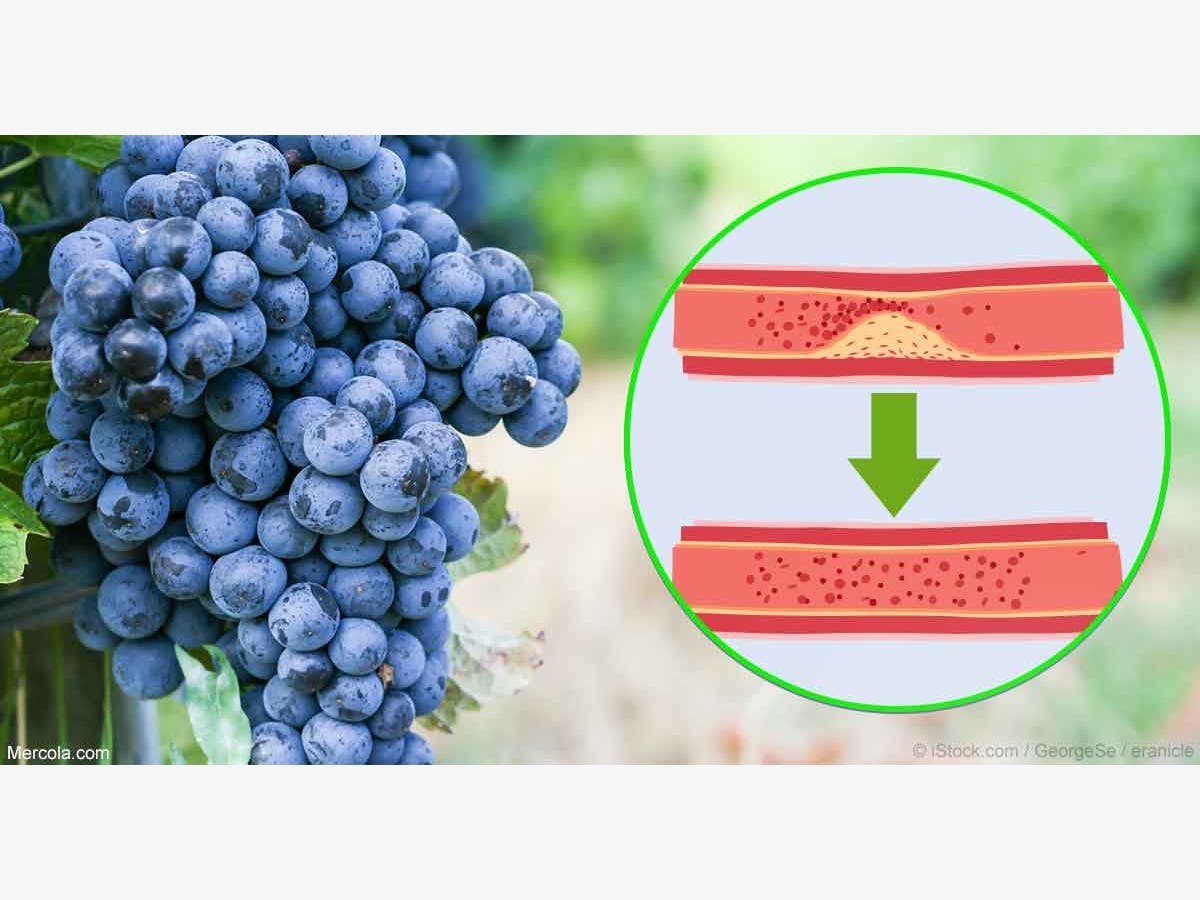
The antioxidant resveratrol has given many people a excuse to drink a little too much red wine. Unfortunately you would have to drink way too much red wine to get a decent dose of resveratrol.
Resveratrol has been in the news time and time again for years. It is a powerful antioxidant that can be found not only in red grapes and red wine, but also in dark-colored berries and dark chocolate. The proposed mechanism is that resveratrol activates a gene named SIRT1. This gene is responsible for a protein that appears to delay aging and the development of several diseases, such as type 2 diabetes. The mechanism may be improving mitochondrial function. The mitochondria burn fuel for energy within every plant and animal cell on earth.
In a landmark study, scientists gave 57 patients with type 2 diabetes, either resveratrol or a placebo. The results were that there was an improvement in the aortal stiffness in the resveratrol group, but there was actually an increase in the aortic stiffness in the placebo group by the conclusion of the study.
Find out what's happening in Ramseyfor free with the latest updates from Patch.
Type 2 diabetes tends to accelerate the stiffness of the aorta over time, so these findings come as very exciting news for type 2 diabetics.
Resveratrol also has neuroprotective properties that can lower the risk of both Alzheimer’s and other dementias, may also help with weight loss, improve cholesterol levels and reduce inflammation. The last one is very important, since inflammation is associated with all chronic disease.
Find out what's happening in Ramseyfor free with the latest updates from Patch.
The overall recommendation is for diabetics to eat a diet rich in produce, which have a low glycemic index.
This study was funded by the U.S. National Heart, Lung and Blood Institute and the U.S. National Center for Complementary and Integrative Health.
The study results were presented at the American Heart Association's Arteriosclerosis, Thrombosis and Vascular Biology, Peripheral Vascular Disease 2017 Scientific Sessions.