Neighbor News
Super Selenium
Selenium is a trace element. It was discovered almost 200 years ago by a Swedish chemist, Baron Jöns Jacob Berzelius,

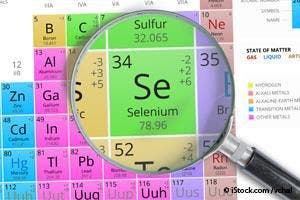
Today, nutritionists recognize the importance of selenium, pertaining to its anti-inflammatory, antioxidant, antiviral and anti-cancer properties.
Selenium is essential, but too much selenium, such as 400 micrograms a day, can be associated with an increased risk of diabetes.
Unless you're taking a selenium supplement, it's not likely you'll overdose on selenium through the foods that you eat. Many people are selenium deficient, as many as 1 billion people worldwide.
Find out what's happening in Ramseyfor free with the latest updates from Patch.
Your chances of having a selenium deficiency are higher if you smoke cigarettes, take birth control pills, drink alcohol or have a condition that keeps you from absorbing the nutrients you need through the foods you eat.
Selenium is an antioxidant that helps to eliminate free radicals.Thyroid Function & the Role of Selenium:Your thyroid contains more selenium per gram of tissue than any other organ.In patients with Hashimoto's disease, selenium supplementation "decreases anti-thyroid antibody levels and improves the ultrasound structure of the thyroid gland."
Find out what's happening in Ramseyfor free with the latest updates from Patch.
Studies on pregnant women indicated that supplementation significantly lowers the risk of postpartum thyroiditis.
Selenium & Immune Function:
One of the most important functions of selenium is its ability to help your body fight disease. It raises your white blood cell count, so you're more able to resist infections.
Selenium & Cancer:
In 2012, researchers reported that in areas of the world where selenium levels are naturally low, supplementing with selenium may be cancer protective.
There is also a possible link between higher levels of selenium and a decreased risk of colorectal cancer.
Selenium & Heart Benefits:
The University of Maryland Medical Center reported:
"Scientists know that low levels of selenium can contribute to heart failure, and being deficient in selenium seems to make atherosclerosis worse. Atherosclerosis, or hardening of the arteries, happens when plaque builds up in arteries, which can lead to heart attack and stroke."
Another study found that patients who took selenium supplements on a regular basis are "far less likely" to have another heart attack.
Selenium & Asthma:
Asthma sufferers tend to be selenium deficient. Scientists found that diets containing high amounts of antioxidants are associated with lowered asthma prevalence.
Among 24 subjects with asthma, those who took selenium for 14 weeks, had fewer symptoms than those taking a placebo.