Neighbor News
Tendon Pain Linked to Type 2 Diabetes
Did you know that another complication associated with Type 2 Diabetes is tendon weakness?

The complications associated with Type 2 Diabetes, can include; vision problems, kidney failure, foot ulcers, neuropathies, cardiovascular disease and more.
Tendons connect muscles to bones. Tendinopathy refers to the degeneration of a tendon’s collagen in response to chronic overuse and/or through repetitive movements. But if you have type 2 diabetes, your risk of tendinopathy is significantly increased.
Tendinopathy is often used interchangeably with tendinitis, but the two are not the same. Tendinitis, involves inflammation of the tendon. It sometimes can be difficult to distinguish between the two.
Find out what's happening in Ramseyfor free with the latest updates from Patch.
A recent systematic review and meta-analysis published in the British Journal of Sports Medicine, concluded that there is “strong evidence that diabetes is associated with higher risk of tendinopathy”.
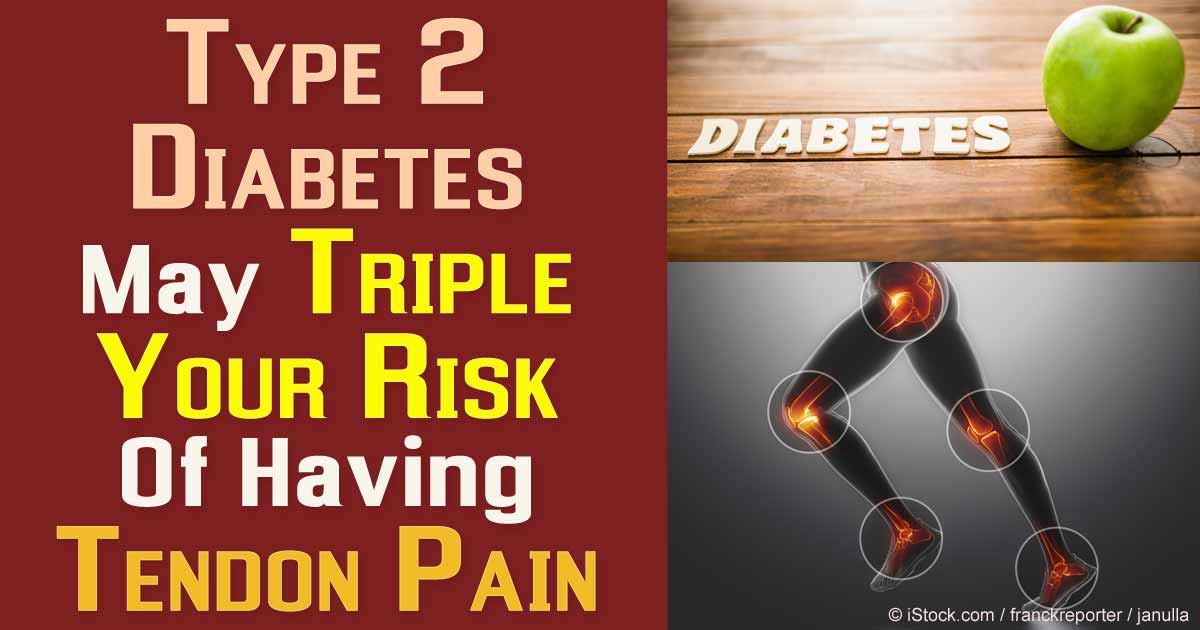
Type 2 Diabetes May Triple Your Risk of Tendon Pain:
Find out what's happening in Ramseyfor free with the latest updates from Patch.
The study revealed that people with type 2 diabetes are more than three times as likely to have tendon pain compared to those without diabetes. Further, people with tendinopathy are 30% more likely to have diabetes than those without tendon pain.
Since in general, exercise is so important for diabetics. Tendinopathies can cause pain that prevents activity. This can then worsen the diabetes.
Addressing inflammation may be useful for tendinitis, but treatment for tendinopathy needs to focus on breaking the cycle of injury and optimizing collagen production, so the tendon can regain normal strength.
Treatment Options for Tendinopathy:
The healing process for tendinopathy may take months. Care must be taken not to overdo any exercises, which could cause more damage.
1. Rest, especially at the start of treatment
2. Use appropriate supports , including bracing or taping if necessary, to reduce the stress on the tendon.
3. Cold therapy
4. Adjust body mechanics
5. Stretching exercises
6. Strengthening exercises
7. Body work, including chiropractic care, physical therapy and/or massage therapy.
8. Laser therapy
9. Nutritional support should include a good quality collagen, such as Genacol, vitamin C with bioflavonoids, manganese, zinc, vitamin B6 and vitamin E.
If you think that you have tendinitis or tendinopathy, you should consult your medical doctor, podiatrist, osteopath or chiropractor, prior to initiating any treatment or rehabilitational exercise program.