Health & Fitness
Watch Out for These "Healthy" Foods
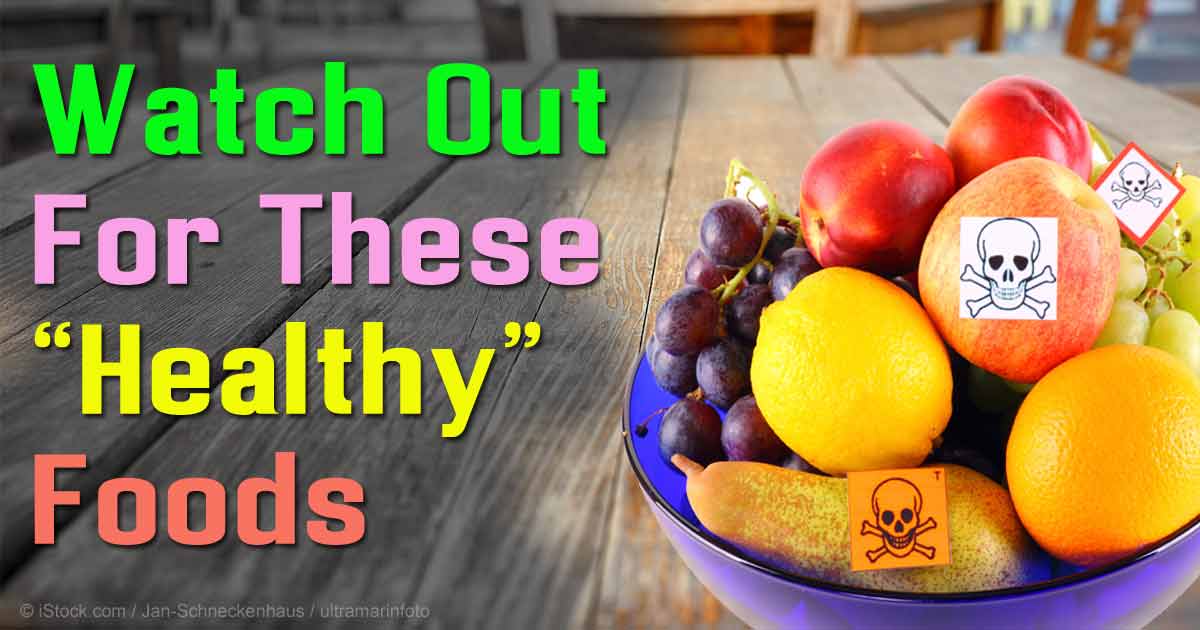
In theory, fruits and vegetables are among the healthiest foods you can eat. Fruits and vegetables can also be full of toxic pesticides.

According to data from the U.S. Centers for Disease Control and Prevention (CDC), more than 75% of the U.S. population has detectable levels of organophosphate pesticides in their urine.
Eating organic is one of the best ways to lower your overall pesticide levels. In one recent study, those who “often or always” ate organic had about 65% lower levels of pesticide residues compared to those who ate the least amount of organic produce.
Eating an all-organic diet is the ideal, but that may be very expensive to do and not within your budget. If you can’t go all organic, it is good to know what produce is important to buy organic.
Find out what's happening in Ramseyfor free with the latest updates from Patch.
Why It’s Important to Minimize Your Pesticide Exposure:
The U.S. uses about 1.1 billion pounds of pesticides each year and it’s not uncommon for your apples or strawberries to contain two or more different pesticides.
Find out what's happening in Ramseyfor free with the latest updates from Patch.
The CHAMACOS Study indicated that very small amounts of pesticides may be harmful to a child’s brain. It followed hundreds of pregnant women living in Salinas Valley, California, an agricultural mecca that has had up to a half-million pounds of organophosphates sprayed in the region per year.
The children were followed through age 12 to assess what impact the pesticides had on their development. It turns out the impact was quite dramatic.
The mothers’ exposure to organophosphates during pregnancy was associated with:
• Shorter duration of pregnancy
• Poorer neonatal reflexes
• Lower IQ and poorer cognitive functioning in children
• Increased risk of attention problems in children
Which Foods Are Most Contaminated in the U.S.?
Animal products, such as meats, butter, milk, and eggs, are actually the most important to buy organic.
Consumer Reports analyzed 12 years of data from the USDA’s Pesticide Data Program to determine the risk categories (from very low to very high) for different types of produce. Because children are especially vulnerable to the effects of environmental chemicals (including pesticides), they based the risk assessment on a 3.5-year-old child.
They recommended buying organic for any produce that came back in the medium or higher risk categories, which left the following foods as examples of those you try to buy organic:
1. Peaches
2. Carrots
3. Strawberries
4. Green Beans
5. Sweet Bell Peppers
6. Hot Peppers
7. Tangerines
8. Nectarines
9. Cranberries
10. Sweet Potatoes
The Environmental Working Group (EWG) also ranks fruits and vegetables for their “Dirty Dozen” and “Clean 15” lists, which combine six different measurements of contamination, to come up with a composite score for each type of produce. The results are as follows:
EWG’s 2015 Dirty Dozen (Buy These Organic):
1. Apples
2. Peaches
3. Nectarines
4. Strawberries
5. Grapes
6. Celery
7. Spinach
8. Sweet bell peppers
9. Cucumbers
10. Cherry tomatoes
11. Snap peas (imported)
12. Potatoes
Bonus: Hot Peppers and Kale/Collard greens
EWG’s 2015 Clean 15 (OK to Buy These Conventional)
1. Avocados
2. Sweet corn
3. Pineapples
4. Cabbage
5. Sweet peas (frozen)
6. Onions
7. Asparagus
8. Mangos
9. Papayas
10. Kiwi
11. Eggplant
12. Grapefruit
13. Cantaloupe
14. Cauliflower
15. Sweet potatoes
A Bonus to Eating Organic is More Nutritious Foods:
It’s not only a lack of pesticides that makes organic foods preferable. They also have:
1. An average 48% lower levels of cadmium, a toxic metal and a known carcinogen
2. No GMOs
3. 18 to 69% more antioxidants than conventionally grown varieties.