Health & Fitness
What Happens When Someone Gets Drunk?
Today is Cinco de Mayo, which celebrates the Mexican Army's victory over French forces at the Battle of Puebla on May 5, 1862.

Because of the high alcohol consumption in the United States on Cinco de Mayo, some people have suggested that it be renamed "Drinko de Mayo". It is a shame that many Americans don't even know what the holiday really commemorates, but they will drink to celebrate it anyway.
In America Cinco de Mayo has evolved from a virtually unknown holiday, to become one of the country’s largest drinking holidays. On Cinco de Mayo in 2013, over $600 million dollars worth of beer was sold, according to Nielsen data, which was more beer than is sold on St. Patrick’s Day or the Super Bowl. Most of that beer was of Mexican origin.
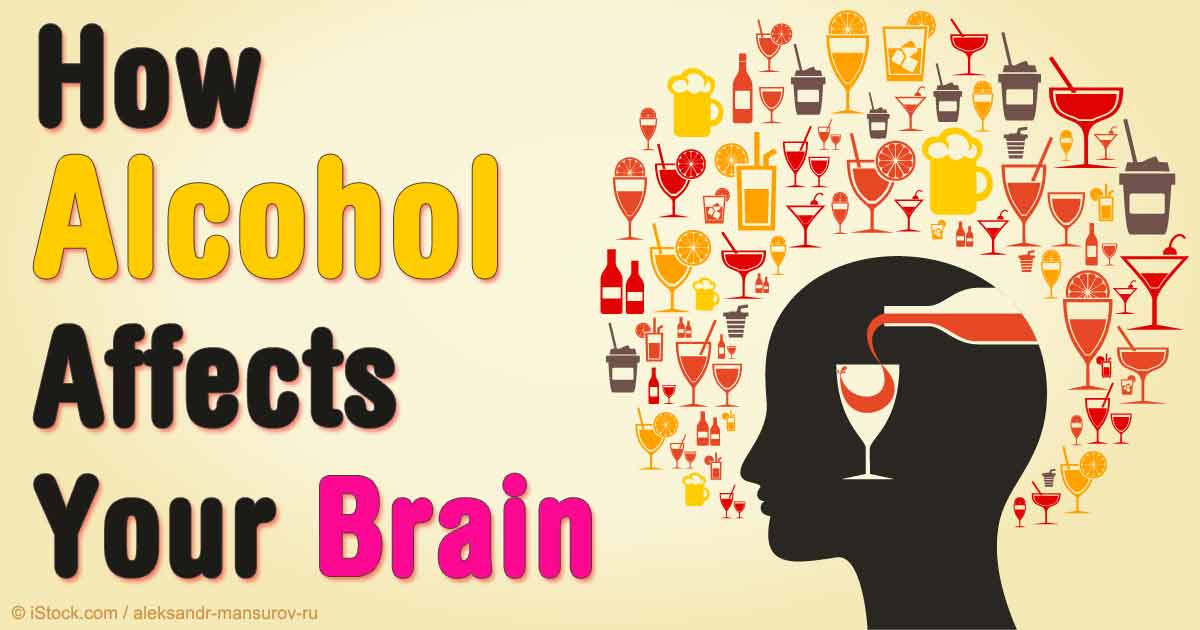
Alcohol acts as a depressant to your central nervous system, which means that when you drink it, your brain cells communicate at a slower rate than they would normally. The limbic system of your brain, which controls emotions such as anxiety and fear, is also impacted.
Find out what's happening in Ramseyfor free with the latest updates from Patch.
As the function of your limbic system decreases, your inhibitions may disappear and you may become more outgoing and social.
The functioning of your prefrontal cortex, a brain region associated with reasoning and judgment, also slows when you drink alcohol. This leads to more impulsive behavior and poor judgment.
Find out what's happening in Ramseyfor free with the latest updates from Patch.
Your balance and reflexes are also impacted as well as your clarity of speech.
When driving a car, reflexes that are slower by even a few thousandths of a second, could be the difference between life and death. Bit at lower doses, your body can still function somewhat normally under the influence of alcohol. As the dose increases, so too do its effects. As you drink more, your behavior and judgment will become increasingly uninhibited and your cerebellum, which plays a role in muscle activity, will also be impacted. This is why, as you become more inebriated, you may lose your balance, feel dizzy and definitely shouldn't attempt to drive.
At high doses, the neurons in your brain that control your heart rate and breathing may slow down their communication to the point that your breathing stops completely, leading to death.
Alcohol Leads to Different Effects in Different People:
The same alcoholic blood concentration affects each person differently. Your body weight, ratio of muscle and fat, health status, the food that you consumed, your mood at the time, the time of day that it is and your genetic makeup, will all impact your apparent drunkenness.
Alcohol is also the most commonly used addictive substance in the U.S. It's estimated that 1 in 12 Americans suffer from alcohol abuse or dependence while several million engage in risky binge drinking patterns.
The rise in alcohol-related deaths may be related to the steady rise in per capita alcohol consumption. In the U.S., Nearly 57% of Americans drank at least monthly in 2014, which is up from 55% in 2002.
Binge Drinking Plus Chronic Alcohol Use Is Especially Damaging to Your Liver:
Drinking enough to bring your blood alcohol concentration (BAC) to 0.08 g percent or above in a short amount of time is considered binge drinking. Generally, this occurs when women consume four or more, or men consume five or more, alcoholic beverages in a two-hour period.
When binge drinking is combined with chronic alcohol use, it leads to liver damage. In studies, mice were exposed to either chronic alcohol use or binge drinking, it led to moderate liver damage. However, when mice were exposed to both of these circumstances, the highest level of liver damage occurred.
This wasn’t entirely surprising, but the extent of liver damage was. The mice that were exposed to both chronic and binge alcohol had 13 times higher fatty deposits in their liver compared to the control group.
Can Fatty Liver Be Reversed?
Alcohol consumption is a leading cause of fatty liver, but non-alcoholic fatty liver disease (NAFLD) may also occur in people who are overweight or obese, have high cholesterol or high triglycerides, but consume little or no alcohol. In either case, fatty liver can often be reversed by making lifestyle changes. If alcohol is the cause, you will need to abstain from alcohol while making further positive changes.
Chronic Alcohol Consumption Disturbs Your Gut Microbes:
Alcohol can kill of bacteria, both the bad ones and the good ones. When your good gut bacteria are killed off, your immune system is compromised and your body becomes far more vulnerable to all sorts of foreign invaders, inflammation and disease.
The National Institutes of Health cites research showing that "variations in the composition of microbial communities may contribute to chronic health conditions, including diabetes, asthma, obesity and digestive disorders." Poor diet, stress, exposure to antibiotics and chronic alcohol use all have the potential to disrupt your gut microbes.
Is Moderate Alcohol Consumption Healthy?
The latest Dietary Guidelines Advisory Committee (DGAC) scientific report, which forms the basis for the Dietary Guidelines for Americans, suggests "moderate consumption of alcohol is a component of a beneficial dietary pattern in most studies."
Whether or not moderate alcohol consumption can be safe and even healthy is controversial, with studies showing a mixed bag of results. Alcohol consumption may be associated with an increased risk of cancer, even at moderate levels of intake.
If You're Planning a Few Drinks, This Protocol From Dr. Mercola, May Help to Lessen the Damage to Your Body:
1. N-acetyl cysteine (NAC) - NAC is a form of the amino acid cysteine. It is known to help increase glutathione and reduce the acetaldehyde toxicity that causes many hangover symptoms. Try taking NAC (at least 200 milligrams) 30 minutes before you drink to help lessen the alcohol's toxic effects.
If you're wondering just how powerful NAC can be, consider that, like alcohol, one way that Tylenol causes damage to your liver is by depleting glutathione. If you keep your glutathione levels up, the damage from the acetaminophen may be largely preventable. This is why anyone who overdoses on Tylenol receives large doses of NAC in the emergency room to increase glutathione.
2. B Vitamins - NAC is thought to work even better when combined with thiamine, or vitamin B1. Vitamin B6 may also help to lessen hangover symptoms. Since alcohol depletes B vitamin in your body, and the B vitamins are required to help eliminate it from your body, a B-vitamin supplement taken beforehand, as well as the next day, may help.
3. Milk Thistle - Milk thistle contains silymarin and silybin, antioxidants that are known to help protect your liver from toxins, including the effects of alcohol. Not only has silymarin been found to increase glutathione, but it also may help to regenerate liver cells. A milk thistle supplement may be most useful when taken regularly, especially if you know you'll be having cocktails on more than one occasion.
4. Vitamin C - Alcohol may deplete your body of vitamin C, which is important for reducing alcohol-induced oxidative stress in your liver. Interestingly, one animal study showed vitamin C was even more protective to the liver than silymarin (milk thistle) after exposure to alcohol.
Making sure you're getting enough vitamin C, either via supplements or food, is another trick to use prior to indulging in alcoholic beverages. Vitamin C is actually such a powerful detoxifier that if you take large doses prior to receiving dental anesthesia, the anesthesia will be significantly weakened and may not work!
5. Magnesium - Magnesium is another nutrient depleted by alcohol, and it's one that many are already deficient in. Plus, magnesium has anti-inflammatory properties that may help to reduce some hangover symptoms. If you don't eat a lot of magnesium-rich foods, taking a magnesium supplement before an evening involving drinking may be helpful.