Neighbor News
When You Wear Toxic Lipstick, Beauty Isn't Even Skin Deep
Lip color was popular dating back to at least the Egyptians, Babylonians and Greeks.

Prior to being sold to consumers, the U.S. government does not require safety testing for lipstick or cosmetics.
The annual revenue in the U.S. cosmetic industry is over $55 billion.
The average woman will apply up to 9 pounds of lipstick in her lifetime and swallow about 3 pounds of that lipstick.
Find out what's happening in Ramseyfor free with the latest updates from Patch.
About 65% of women wear lipstick daily.
40% of women own more than 20 different lipsticks!
Find out what's happening in Ramseyfor free with the latest updates from Patch.
70% of men polled believe red lipstick is sexy.
90% of women say wearing it makes them feel better about themselves.
Most don't realize that their makeup is many times a witches' brew of chemicals, heavy metals, pesticides, sperm whale excrement, snail slime and ground fish scales. Yes, makeup, lipsticks, moisturizers and lip balms may contain much more than you bargained for.
During the mid-1500s, Queen Elizabeth I and her court, used red mercuric sulfide to add color to their lips and cheeks. That may have been the first toxic lipstick.
The U.S. Food and Drug Administration (FDA) is charged with regulating the cosmetic industry, but not approving these products, except for color additives.
Essentially the FDA is responsible for regulating a cosmetic product only after it has reached the consumer, except if it contains a color additive. The ingredient categories listed above are therefore virtually unregulated by the FDA.
It is bewildering that all of the other ingredients in lipstick do not require approval, only the color additives. The exception to this is AFTER a cosmetic product has been shown to damage to the health of the user, or demonstrates it contains an ingredient has been proven to be harmful to one's health. If either of those occur, then the FDA can step in. Unless those criteria are present, the FDA has no legal cause to investigate.
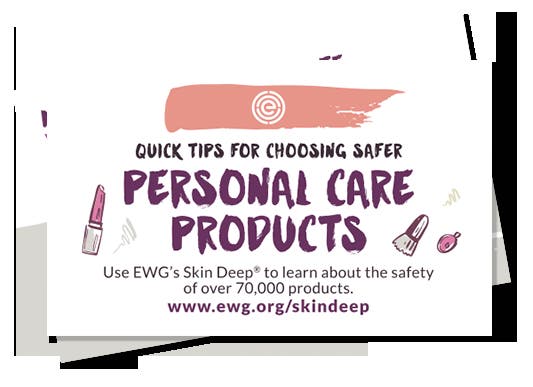
The best advice, other than making your own makeup and lipstick, is to trust your source. Go organic whenever possible and use the Environmental Working Group's Skin Deep resource, which rates the toxicity of makeup and lipsticks, as well as other personal care products.