Health & Fitness
Which Fruits and Vegetables Have the Most Pesticides?
The Environmental Working Group (EWG) has released their 2016 contamination guide.


The EWG contamination guide ranks 48 of the most commonly consumed fruits and vegetables, according to the residual pesticides that can be ingested by the consumer.
Strawberries earned the dubious "honor" of being the most contaminated with pesticide residues.
Strawberries beat out apples, which was the 2015 top offender. Non-organic strawberries were found to be almost universally contaminated. 98% of non-organic strawberries sampled, contained at least one detectable pesticide residue.
Find out what's happening in Ramseyfor free with the latest updates from Patch.
This list will help you to prioritize which foods to buy organic and which are relatively safe to purchase conventionally grown.
According to California data, nearly 300 pounds of pesticides were applied to each acre of strawberries grown in the state in 2014. Compare this to corn, which only gets with about 5 pounds of pesticides per acre.
Find out what's happening in Ramseyfor free with the latest updates from Patch.
EWG's 2016 Dirty Dozen (Buy These Organic)
1. Strawberries
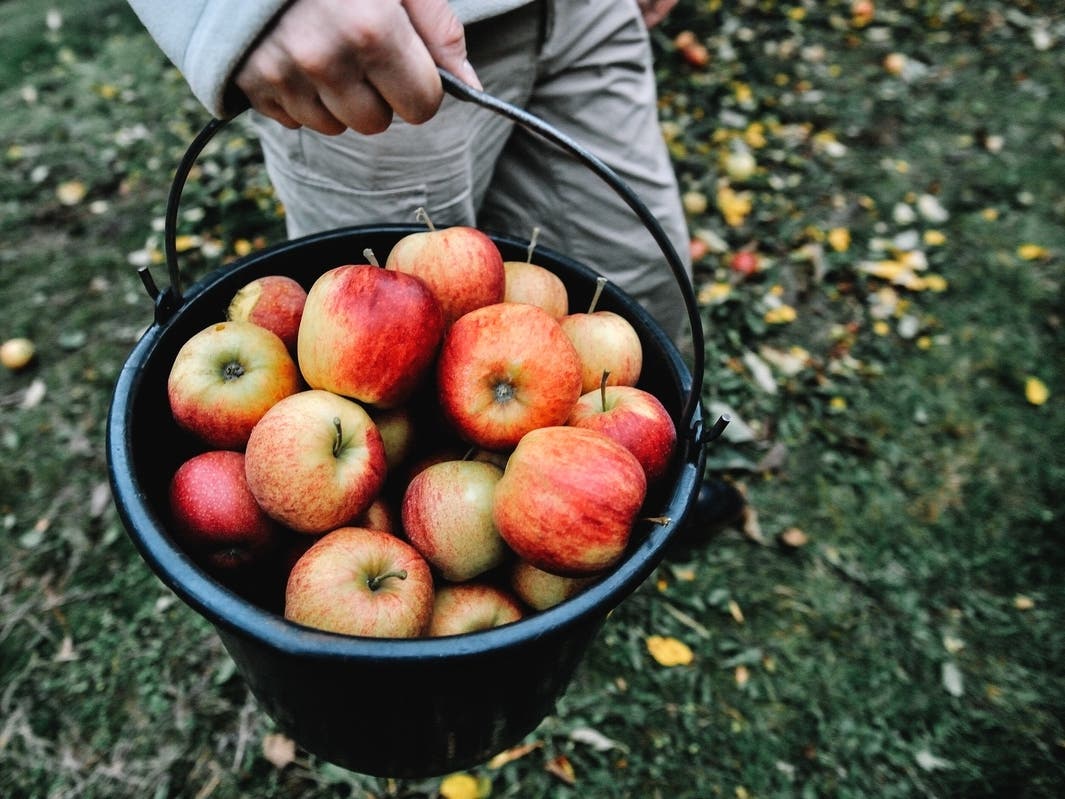
2. Apples
3. Nectarines
4. Peaches
5. Celery
6. Grapes
7. Cherries
8. Spinach
9. Tomatoes
10. Sweet bell peppers
11. Cherry tomatoes
12. Cucumbers
EWG's 2015 Clean 15 (It is OK to Buy These Conventional)
6. Onions
7. Asparagus
8. Mangos
9. Papayas
10. Kiwi
11. Eggplant
12. Honeydew melon
13. Grapefruit
14. Cantaloupe
15. Cauliflower
Eating Organic Lowers Pesticide Levels in Your Body:
According to data from the U.S. Centers for Disease Control and Prevention (CDC), more than 75% of the U.S. population has detectable levels of organophosphate pesticides in their urine. Unless you're a farmer, your diet is the most likely route of exposure.
Eating organic is one of the best ways to lower your overall pesticide burden. The largest study of its kind, found that people who "often or always" ate organic food, had about 65% lower levels of pesticide residues compared to those who ate the least amount of organic produce.
Research has also found that organic produce had, on the average, 180 times lower pesticide content than conventional produce.
Remember that eating produce, even if they're not organic, is better than not eating produce at all. But if you are not independently wealthy, you may need to prioritize to stay within your food budget. You can refer to the Dirty Dozen list and buy that produce as organic, as much as possible.
If you know you have been exposed to pesticides, you can help to detox by eating fermented foods, such as kimchi. The lactic acid bacteria formed during the fermentation of kimchi, may help your body to break down those pesticides.