Health & Fitness
Your Gut Microbiome & Your Mental & Physical Health
Our body's house about 10 trillion cells, 100 trillion bacteria & about 1 quadrillion viruses!

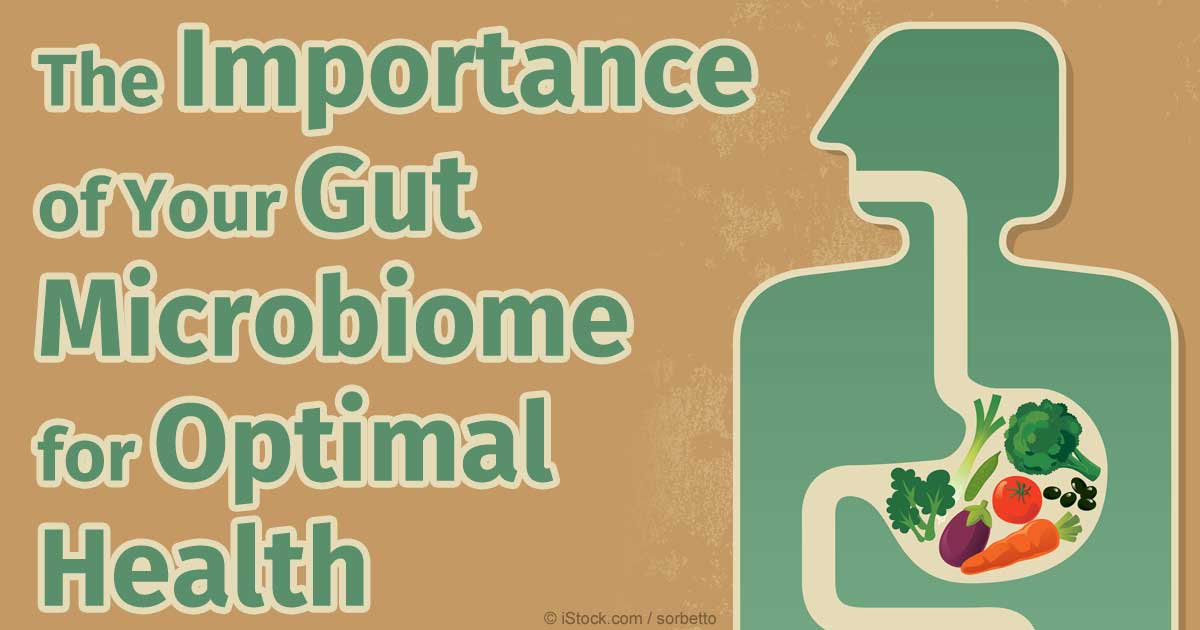
Our body's house about 10 trillion cells, 100 trillion bacteria and about 1 quadrillion viruses! As disgusting as it may seem, are each a mobile microbial colony.
Out of those 100 trillion bacteria that we house, we need at least 85% of beneficial gut bacteria to less than 15% pathological gut bacteria to be healthy.
The Human Genome Project (HGP) has revealed that your genetic makeup plays a much smaller role than anyone imagined. Your genes are only responsible for about 10% of diseases.
Find out what's happening in Ramseyfor free with the latest updates from Patch.
The remaining 90% are induced by environmental factors. Researchers are now realizing that your microbiome may be among the most important factors, as genes are turned on and off depending on which microbes you have and to what proportions they are present!
Emerging science also shows that your microbiome can be rapidly altered, for better or worse, based on factors such as diet, lifestyle and chemical exposures.
Find out what's happening in Ramseyfor free with the latest updates from Patch.
Our modern conveniences, such as processed foods, antibiotics and pesticides, turn out to be extremely detrimental to your microbiome.
Your diet is one of the easiest, fastest and most effective ways to improve and optimize your microbiome. This is good news, since you have a great degree of control over your future health.
Human DNA Contains Microbial Genes:
According to researchers, potentially hundreds of microbial genes have slipped into our DNA over the course of mankind's history, including genes that help your immune system defend itself against infections. It's possible other genes helped mankind adapt to changing diets and environmental conditions. Our mitochondria themselves, which create energy for our cells, are thought to have been originally bacteria that we "adopted" as the powerhouse of every one of our cells. No plant or animal cell could survive on the earth without mitochondria.
How Gut Bacteria Influence Your Weight:
Bacteria appear to influence human health and disease in two key ways. While an overabundance of certain bacteria have been linked to various diseases, other microbes appear to be actively involved in preventing certain disease states.
When they're lacking, you end up losing this protection, which allows the disease process to set in.
For example, by eradicating four species of bacteria (Lactobacillus, Allobaculum, Rikenelleceae, and Candidatus arthromitus), researchers were able to trigger metabolic changes in lab animals that led to obesity.
As time goes on, it seems increasingly reasonable to think that obesity is largely influenced by gut bacteria. This in no way changes the fact that certain foods will make you pack on the pounds, the bacteria just play a major role in facilitating that process.
The foods known to produce metabolic dysfunction and insulin resistance (such as processed foods, fructose/sugar and artificial sweeteners) also decimate beneficial gut bacteria and it may well be that this is a key mechanism by which these foods promote obesity.
Chemicals may also contribute to your weight problem by way of your gut microbiome.
Fiber-Digesting Bacteria Also Influence Your Immune Function:
Previous research has also shown that gut microbes specializing in fermenting soluble fiber play an important role in preventing inflammatory disorders, as they help calibrate your immune system.
Specifically, the byproducts of this fermenting activity help nourish the cells lining your intestines, thereby preventing leaky gut, a condition in which toxins are allowed to migrate from your gut into your blood stream.
The inflammatory response actually starts in your gut and then travels to your brain, which subsequently sends signals to the rest of your body in a complex feedback loop.
Sugar feeds fungi that produce yeast infections and sinusitis. Researchers have also linked high-sugar diets to memory and learning impairments, courtesy of altered gut bacteria.
Fiber and Fermented Foods Are Key Components of a Healthy Diet:
Our ancestors had about 30,000 different microbial species in their guts.
Fermented foods and foods high in fiber are very important components of a healthy diet, as these foods help nourish a wide variety of beneficial bacteria. These foods have been part of the human diet since ancient times and replacing them with chemically altered and "sterilized" processed foods has led to many of our current health problems. Traditional sauerkraut, for example, has been identified as a healthy superfood.
Swapping Gut Bacteria May Help Reverse Type 2 Diabetes:
Type 2 diabetes is another common health problem that can be traced back to impaired gut flora. Studies have found that the microbial composition in diabetics differ from non-diabetics. In particular, diabetics tend to have fewer Firmicutes and more plentiful amounts of Bacteroidetes and Proteobacteria, compared to non-diabetics. A positive correlation for the ratios of Bacteroidetes to Firmicutes and reduced glucose tolerance has also been found.
Your Gut Is Your Second Brain:
The quality, quantity, and composition of the bacteria in your gut have enormous influence on your brain.
Autistic children have distinctly different microbiome compared to non-autistic children. Notably, they tend to have fewer beneficial bacteria such as Bifidobacterium.
There is also connection between gut health and degenerative brain disorders such as Alzheimer's.
Gut microbes help maintain the integrity of your gut lining and leaky gut syndrome appears to be related to almost every disease imaginable. Leaky gut leads to chronic inflammation and chronic inflammation leads to degenerative disease.
The permeability of your gut lining can be measured by looking at a chemical called lipopolysaccharide (LPS), which is the covering over certain groups of bacteria in your gut. When you have higher levels of antibodies against LPS in the bloodstream, it's a marker of leaky gut. LPS is also in and of itself a powerful instigator of the inflammatory cascade.
Higher levels of LPS in the blood dramatically increase inflammation throughout your body, including your brain. Alzheimer's and Lou Gehrig's disease are both correlated with dramatically elevated levels of LPS.
Mood Disorders May Be Rooted in Impaired Microbiome Too:
Not only can impairments in your microbiome promote neurological diseases, it can also have a powerful impact on your general mood. Depression is increasingly starting to be viewed as a symptom of poor gut health, and therein may lie the real cure as well.
The vast majority of serotonin is produced by gut bacteria. Many anti-depressant drugs attempt to boost serotonin levels. If you gut is healthy, you will make plenty of your own serotonin.
The attached link lists the steps that you need to follow in order to optimize your gut bacteria.
Here are the highlights:
1. Eat plenty of fermented foods.
2. Only take antibiotics when absolutely necessary.
3. Avoid conventionally-raised meats, which use antibiotics.
3. Eat pre-biotic foods.
4. Boost your soluble and insoluble fiber intake.
5. Avoid chlorinated and/or fluoridated water.
6. Expose yourself to as the outdoors and as many ecosystems as possible.
7. Don't be afraid to get dirty.
8. Avoid chemical exposure.
9. Eat organic and avoid processed foods.
10. Avoid antibacterial soap.
11. Wash your dishes by hand instead of in the dishwasher.