Health & Fitness
Is Your Olive Oil The Real Thing?
There seems to be some deception in the olive oil market.

It became mandatory in the United States to disclose the country of origin for food in 2002. Before that it wasn’t required to disclose to the consumer what country retail food came from.
A patient of mine works in the food industry and he once told me that there isn’t enough land in Italy to grow all of the olive trees to produce all of the olive oil that allegedly comes from Italy! There seems to be some deception in the olive oil market. The bottom line is an old expression, “to the buyer beware”!
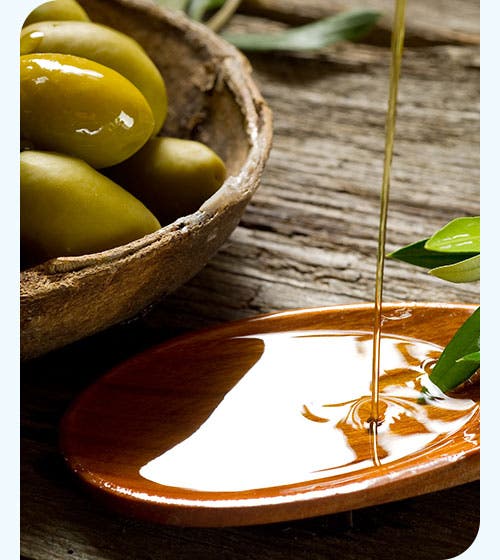
Pure extra virgin olive oil has many health benefits. But besides having a questionable country of origin, how do you know that you are actually buying pure olive oil? Olive oil can have other cheaper and less healthy oils added to it to increase the profit margin. For example, some olive oils are mixed with GMO canola oil, which is considered less than healthy, or even toxic by many experts.
Find out what's happening in Ramseyfor free with the latest updates from Patch.
A 2012 University of California at Davis study tested eight major brands of olive oil. They analyzed 124 samples of extra virgin olive oil. More than 70% failed to test pure! To carry the extra virgin olive oil label in Europe, a product only needs to only contain 75% extra virgin olive oil.
Pure extra virgin olive oil contains more healthy polyphenols than other olive oils. But if the one you’re buying isn’t pure extra virgin olive oil, you risk ingesting oxidized fats and free radicals that can damage your cells.
How Do You Spot Pure Olive Oil?
Find out what's happening in Ramseyfor free with the latest updates from Patch.
Unfortunately, many of the “tried-and-true” methods for spotting questionable olive oil seem to be nothing more than urban legends. For example, the “refrigerator test” assumes pure extra virgin olive oil will solidify with refrigeration. This can’t be 100% trusted since oils high in wax, or chilled and filtered over the winter, can also solidify. Another legend is the “flame test” which says that an oil lamp filled with pure extra virgin olive oil should light. This test can also be equally unreliable.
The bottom line here is that you have to be able to trust your source? Some of the best advice about finding pure extra virgin olive oil came from Carole Firenze, author of “Passionate Olive: 101 Things to Do with Olive Oil”.
Because olive oil is highly vulnerable to air, light, heat, and time when you’re looking for pure olive oil you should look at these three things:
• Storage: Extra virgin olive oil must be stowed in a dark bottle, metal container, or light blocking packaging.
• Harvest Date: Look for a harvest date and select an olive oil that was made from this year’s harvest.
• Traceability: Read labels carefully, noting where the olives originate— including the country, state, province or local area. If you know nothing about the mill or producer, look for seals of authenticity from certification agencies such as the California Olive Oil Certification (COOP) or DOP and IDP (Italian certifications). According to Firenze, traceable olive oils are more likely to be authentic.