Politics & Government
Houghtaling Bill to Protect Pollinating Bees from Pesticides
This legislation protects pollinating bees from pesticide exposure and helps address the decline in New Jersey's bee population.

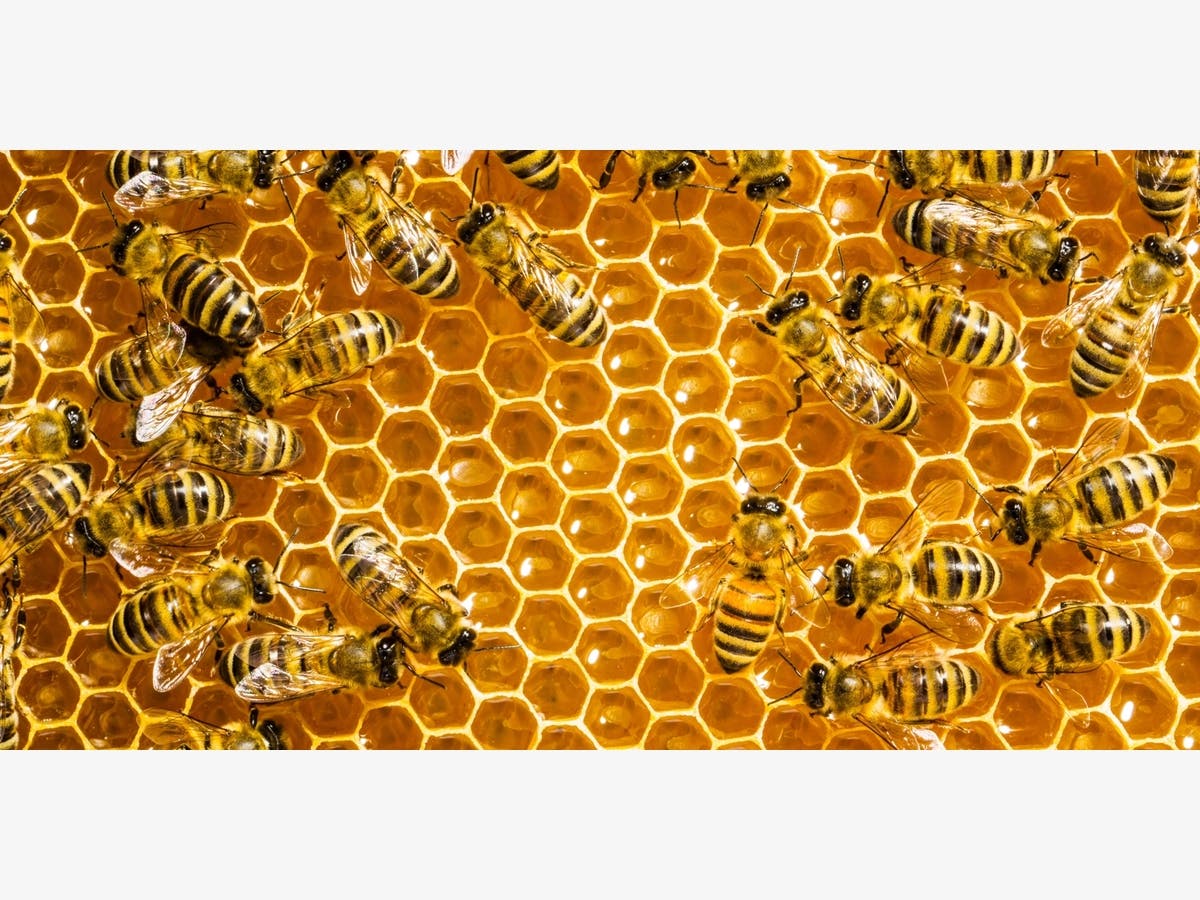
(TRENTON) – Legislation sponsored by Eric Houghtaling to protect pollinating bees from pesticide exposure and help address the decline in New Jersey’s bee population received final legislative approval Monday and now heads to the governor’s desk.
The decline in New Jersey’s honey bee population has been steady and has even surpassed the national average. Nationwide, honeybee deaths average 33 percent a year, according to a media report. This year, 41 percent of New Jersey’s bees were lost. This continued decline could have a major impact on the state’s agricultural industry which relies heavily on these pollinators.
“We are largely dependent on bees for food production. Unfortunately pesticides pose a real threat,” said Houghtaling (D-Monmouth). “This notification process can help minimize pesticide exposure, preserve the state’s bee population and ensure the agricultural industry remains strong.”
Find out what's happening in Red Bank-Shrewsburyfor free with the latest updates from Patch.
The bill (A-3398) would require pesticide applicators to notify beekeepers when they are applying pesticide within three miles of a registered honey or native beehive or beeyard. Under the bill, the Department of Environmental Protection (DEP) would have to adopt regulations allowing beekeepers to register their honey or native beehives or beeyards with the department. Beekeepers would have to register by March 1 every year.
Under existing regulations, N.J.A.C.7:30-9.11, apiarists may register their apiaries with the DEP, and pesticide applicators are required to notify apiarists prior to applying pesticide products that may be toxic to bees within three miles of a registered apiary. However, the term “apiary” is generally understood only to refer to honey bees. It is the intent of this legislation to codify and expand the existing registration and notification regulations to native beehives and beeyards.
Find out what's happening in Red Bank-Shrewsburyfor free with the latest updates from Patch.
The bill was approved 66-0 today by the Assembly, and 34-0 by the Senate on Dec. 19, 2016.