Politics & Government
Chris Christie Declares 'State Of Emergency' To Fund Road Work After Gas Tax Hike Stalls
Gov. Chris Christie has declared a "state of emergency" after weeks of inaction on the gas tax as a way to fund emergency road work.


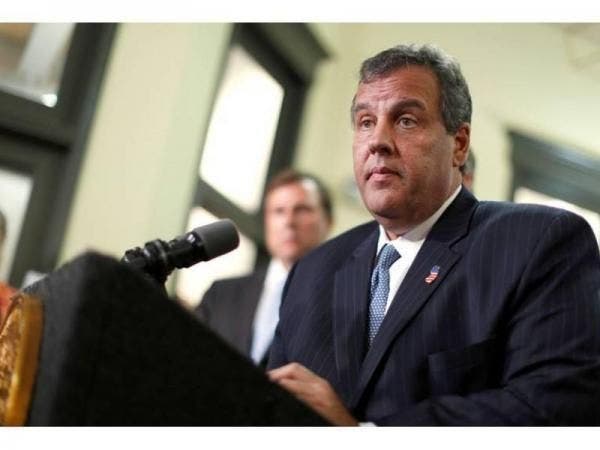
Gov. Chris Christie has declared a "state of emergency" after weeks of inaction on the gas tax, shifting money from the state budget to help pay for emergency road projects.
But Executive Order 213 may stop short of restarting all road projects that were effectively shut down by Christie in July when Senate lawmakers passed on the governor's 23-cent-per-gallon gas tax hike plan.
Christie had reached an agreement with Assembly leaders to cut the sales tax by 1 percent.
Find out what's happening in Ridgewood-Glen Rockfor free with the latest updates from Patch.
Read more: $3.5B In N.J. Road Projects To Shut Down Friday: See The List Here
Under Executive Order 213, the state must find the money to fund the depleted Transportation Trust Fund to "support transportation projects that are determined to be absolutely essential for the protection of the health, safety, and welfare of the people of the state of New Jersey, or are required to ensure the receipt of federal funding."
Find out what's happening in Ridgewood-Glen Rockfor free with the latest updates from Patch.
“No evident progress has been made by the legislature to pass a single, viable bill to reauthorize the TTFA,” Christie said in a statement. “A well-maintained transportation infrastructure is essential to the operation of New Jersey's economy and the people who rely upon it in all aspects of their daily lives."
The Transportation Trust Fund was due to run out of money by August, and Christie and lawmakers have agreed to raise the gas tax by 23 cents to help refund it. But they've disagreed on other parts of the funding plan.
Christie placed blame squarely on the state Legislature.
"The current situation will persist until the Senate and the General Assembly pass an acceptable TTFA funding bill," Christie said. "Until they do so, the state must use money from the General Fund for emergency road, bridge, and mass transportation work.”
While facing opposition from the governor, New Jersey lawmakers said earlier this month they're very close to passing a 23-cent gas-tax hike and overriding a likely veto from Christie.
Senate President Stephen Sweeney said recently he's just one vote shy from lining up enough Senate lawmakers to override Christie's opposition to a gas-tax and road funding tax package.
Democrats have 24 of 40 Senate seats and need 27 votes to override the governor. The situation is unclear in the Assembly, where Democrats hold 51 seats and need 54 for an override.
New Jersey lawmakers last month said they had agreed to a new 23-cent gas tax hike plan that wouldn't include a sales tax cut, as Christie wanted, but would phase out the estate tax.
Senate and Assembly leaders say the dedicated revenue would generate $1.2 billion annually, which would support $2 billion in infrastructure investments each year and replenish the Transportation Trust Fund that was supposed to run empty by August.
Christie, meanwhile, has said he reviewed the Democrats’ latest plan to fund the Transportation Trust Fund through a "massive gas tax hike that does not represent tax fairness to the residents of New Jersey."
"Therefore, I cannot support it," he said, calling the plan "dead on arrival."
Christie said he and the state Assembly proposed a significant plan for "tax fairness," one that included a reduced sales tax and retirement income tax cuts to offset any increase in the gas tax.
The new plan included these tax cuts:
- An increase of the "Earned Income Tax Credit" for the working poor to 40 percent of the federal benefit amount, beginning in 2016. Total tax savings of $137 million annually would be expected.
- An increase of the New Jersey gross income tax exclusion on pension and retirement income over four years to $100,000 for joint filers, $75,000 for individuals and $50,000 for married/filing separately.
- Phase out the estate tax over three and a half years, replacing the current $675,000 threshold with a $2 million exclusion after Jan. 1, 2017, and then phased in after that.
- Provide an annual income tax deduction of up to $500 in state gas taxes paid for all New Jersey motorists with incomes up to $100,000.
- Provide a $3,000 personal exemption on state income taxes for all New Jersey veterans honorably discharged from active service in the military or the National Guard. Total tax savings of $23 million annually would be expected.
Get more local news delivered straight to your inbox. Sign up for free Patch newsletters and alerts.