Crime & Safety
ICE Detainees On Hunger Strike Transferred From Bergen County
An ICE spokesperson said two detainees were transferred "to be more closely monitored by medical personnel." Activists say it's retaliation.


BATAVIA, NEW YORK — Two Immigration and Customs Enforcement detainees participating in a nearly month-long hunger strike have been transferred from Hackensack's Bergen County Jail to the Batavia ICE Detention Center, an ICE-ERO NJ spokesperson confirmed with Patch Thursday.
According to the official, the detainees were transferred "in order to be more closely monitored by medical personnel." They did not immediately respond to a question of why Bergen County couldn't provide that medical attention.
Three detainees remain on hunger strike, the spokesperson said, including at least one transferred to Batavia.
Find out what's happening in Ridgewood-Glen Rockfor free with the latest updates from Patch.
The Abolish ICE NY-NJ Coalition believes there's something more sinister at play, however.
In a news release, the coalition says the transfer is the latest instance of retaliation against hunger strikers, which include "denial of water, denial of medical care, denial of heat, blocked windows, and manipulation from facility staff."
Find out what's happening in Ridgewood-Glen Rockfor free with the latest updates from Patch.
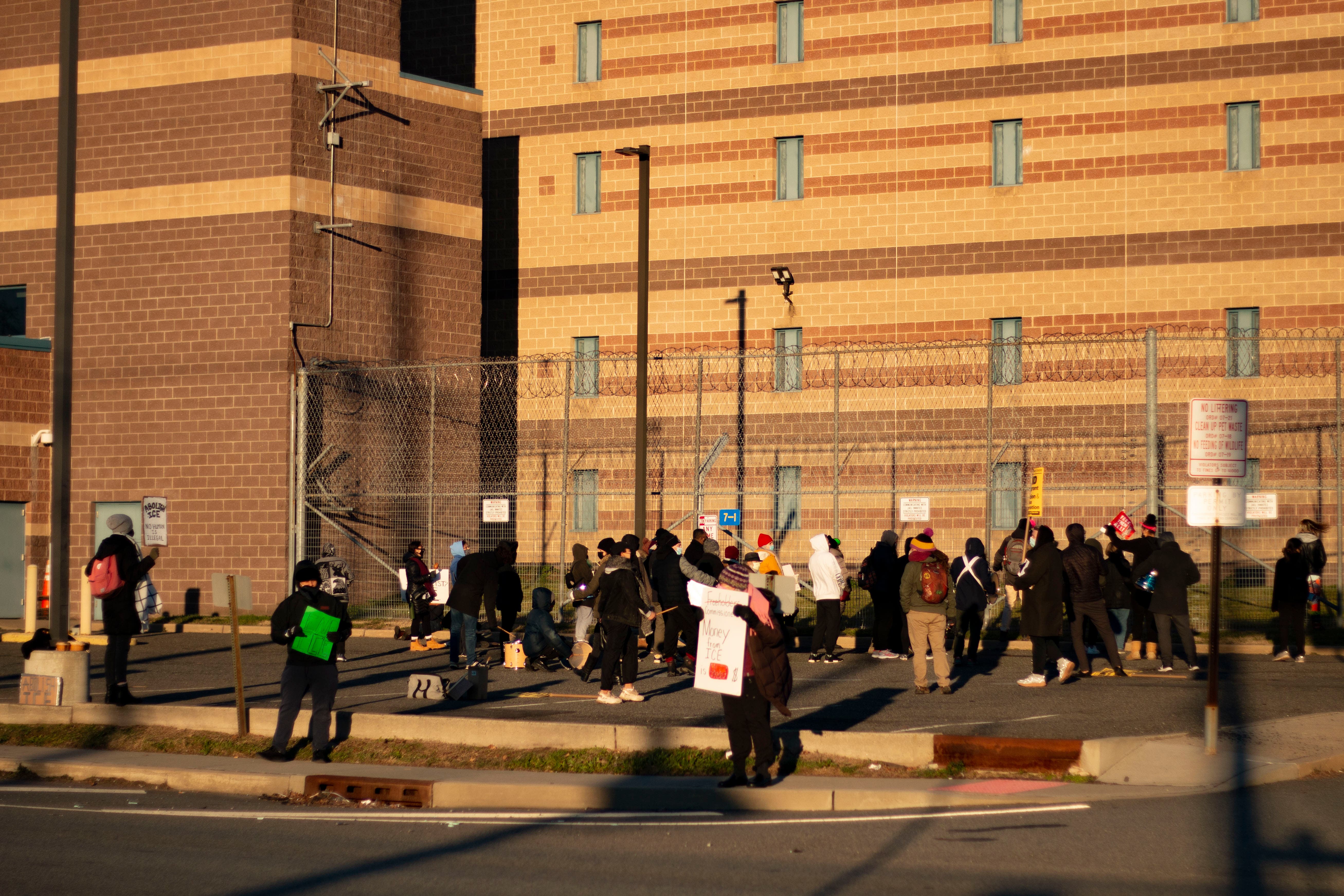
ICE officials have denied retaliation, and called descriptions of these conditions false, but windows facing South River Street were covered during a Sunday protest.
Not only that, but activists voiced concerns that this would enhance the risk of exposure to the coronavirus, the very concern which prompted the hunger strike in the first place.
"Transferring those putting their bodies on their line for a chance of freedom is a clear act of retaliation," said Tania Mattos, Policy and Northeast Monitoring Manager at Freedom for Immigrants.
"The process separates people from their network of support, worsens the COVID-19 pandemic behind bars, and is directly responsible for the record number of deaths in ICE detention this year. Officials must act immediately to release those on hunger strike, and take substantive steps towards decarcerating ICE prisons."
Those accusations are supported by a recent Detention Watch Network report, which found that "ICE’s failure to release people from detention
during the pandemic added over 245,000 cases to the total U.S. caseload."
In New Jersey, according to DWN's report, that could mean 5,305 additional cases of the coronavirus which the network links back to ICE.
According to ICE statistics, there are no active coronavirus cases at the Batavia facility, which has seen a total of 50 since the beginning of the coronavirus pandemic.
In August, the New York Civil Liberties Union reached a settlement with the facility after an outbreak swept through the facility in the spring, and the handling of the outbreak was brought into question.
Area activists are aware of this fact, and aren't taking it likely as coronavirus numbers continue to surge.
"Advocates and attorneys express deep concerns that ICE transfers to Batavia, the site of a previous COVID-19 outbreak that accelerated the pandemic nationwide, both in local communities and in detention facilities, will place even more lives at risk," the coalition wrote, in a news release.
Daily protests continue this week as the hunger strikes nears the one-month mark, and activists don't plan on stopping.
"We will continue to monitor ICE transfers of people on hunger strike and once again urge their immediate release," said Thria Bernabe, of Ridgewood for Black Liberation.
READ MORE: PHOTOS: Protests, Hunger Strike Continue At Bergen County Jail
Get more local news delivered straight to your inbox. Sign up for free Patch newsletters and alerts.