Weather
Last-minute Solar Eclipse Info For Bergen County Residents
Get hour-by-hour weather, watching party info, and how to watch safely without special glasses (it's possible!)


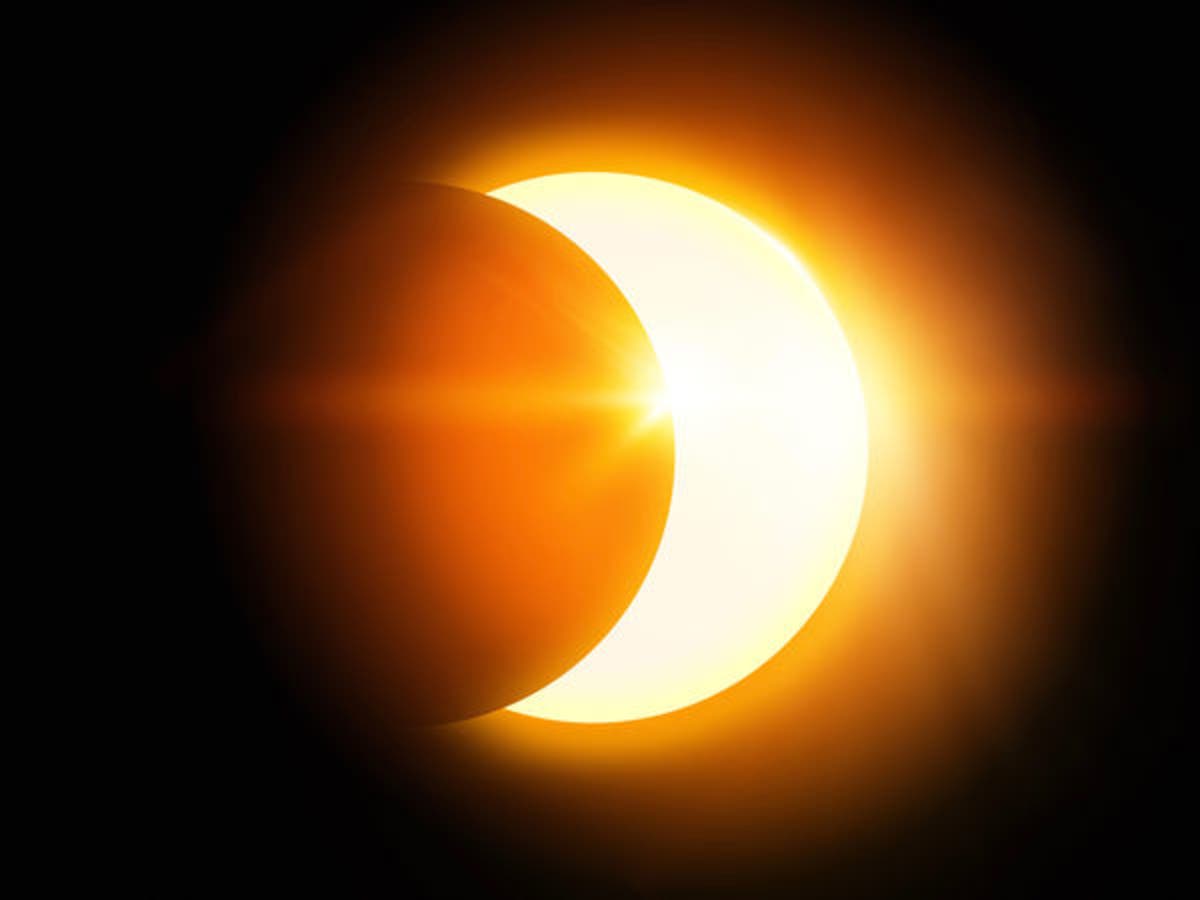
BERGEN COUNTY, NJ — In just a few short hours, the country will be able to see the once-in-a-lifetime Great American Solar Eclipse. Everyone living in the continental United States will see a partial eclipse, and those living in the path of totality will see full coverage. Hoping to catch a glimpse? See this last-minute guide (including the weather!) for Bergen County residents.
When does it start?
The moon will begin its path over the sun at 1:22 p.m. and will reach its midpoint of 73 percent coverage (the most we'll be able to see in Bergen County) at exactly 2:44 p.m.. The moon will finish its journey at 4 p.m., when the sun will be totally uncovered again.
Where can I go to watch it?
Libraries, local observatories and museums are all hosting viewing parties to watch the eclipse. Some still have eclipse glasses, or glasses that can be used on site.
Find out what's happening in Ridgewood-Glen Rockfor free with the latest updates from Patch.
The Oakland Library will host a viewing party of the solar eclipse beginning at 2 p.m. The first 100 Oakland residents to attend will receive a free pair of NASA-certified viewing glasses.
Find out what's happening in Ridgewood-Glen Rockfor free with the latest updates from Patch.
The Wyckoff YMCA will live stream the eclipse from the facility's gym beginning at 1 p.m.
For a list of some scenic spots to view the eclipse, click here.
I don't have eclipse glasses-- can I still watch?
You cannot look at the eclipse with unprotected eyes-- not even at the height of the eclipse. Looking at the sun, even with sunglasses, can cause vision loss and even blindness. If you didn't get ISO-certified eclipse glasses, you can use household items to make a pinhole camera to view the eclipse safely. Check out instructions on how here.
Another way to watch it is through the environment: if the sky is clear at around 2:45 p.m., stand in a leafy tree’s shadow and look at the ground. The smallest spots of sunlight will make little crescent shapes, showing the sun’s apparent shape as the moon crosses in front.
Welding goggles shade 12 and above are also safe, NASA says. Anything below that will not protect your eyes sufficiently and could still result in damage.
How's the weather going to be?
Bergen County might not have the best eclipse viewing weather today. An hour-by-hour forecast by DarkSky.net shows clouds during the eclipse.
- Noon, 83 degrees, partly cloudy
- 2 p.m., 86 degrees, partly cloudy
- 4 p.m., 87 degrees, partly cloudy
Can I photograph the eclipse?
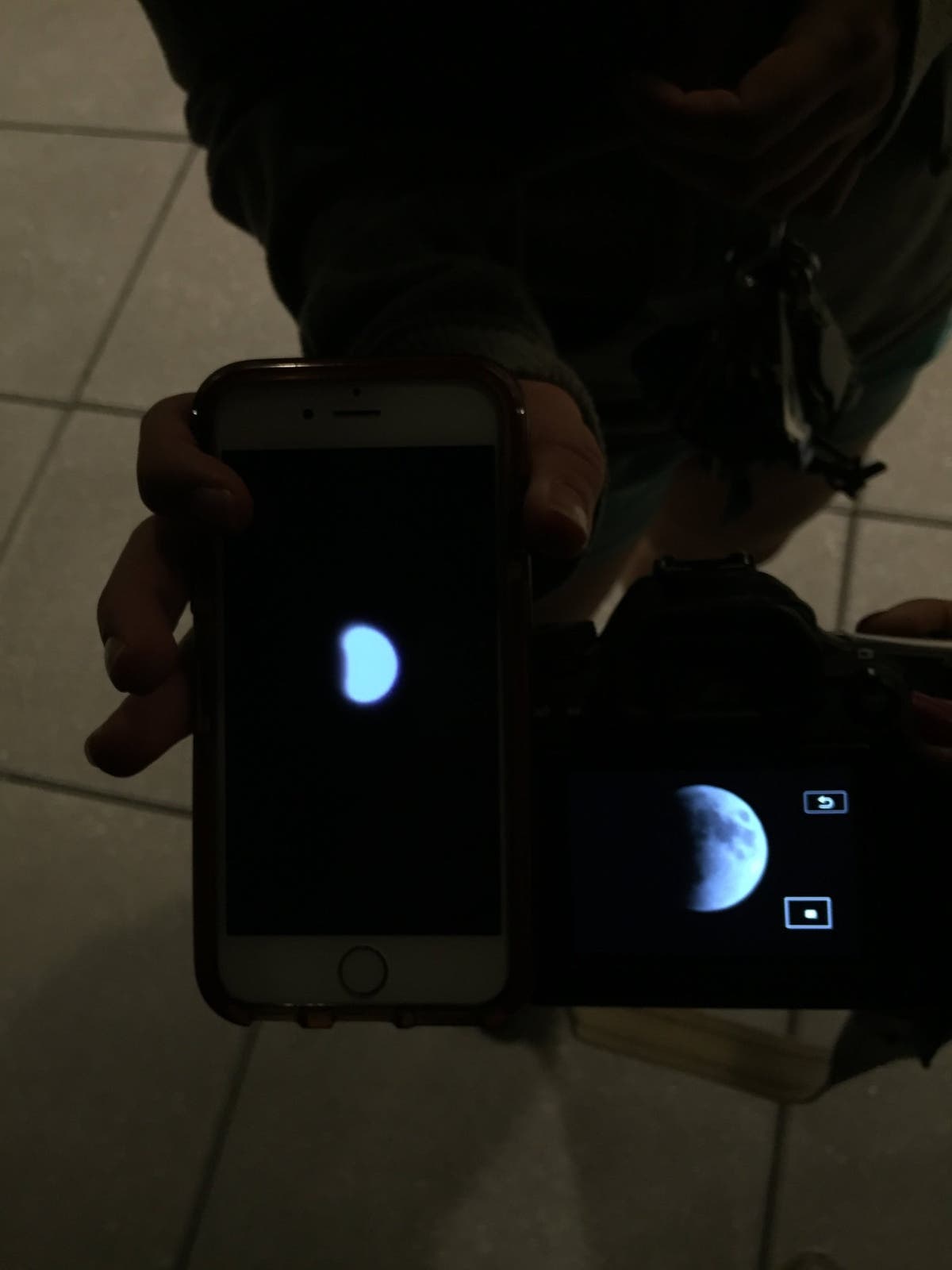
It's hard to get a great picture using a smartphone camera, even if yours is top of the line. For reference, this reporter tried to photograph a lunar eclipse on an iPhone in 2015 and had dismal results. Compare the iPhone photo to a professional grade camera, and you can see they get better results. Choose a high-quality camera if you have one available to you and want to photograph the solar event.
Many experts recommend putting the phone aside and just enjoying the eclipse, but if you really want to photograph it, check out this smart phone-specific photography guide here.
Anything else I should know?
NASA has been providing information on how to safely watch the eclipse, including how to use eclipse glasses. Read them here:
- Homemade filters or sunglasses are not safe for looking at the sun. Five manufacturers have certified that their eclipse glasses and handheld solar views meet international standards, and they are Rainbow Symphony, American Paper Optics, Thousand Oaks Optical, TSE 17 and Baader Planetarium.
- Stand still and cover your eyes with your eclipse glasses or solar viewer before looking up at the bright sun. After glancing at the sun, turn away and remove your filter — do not remove it while looking at the sun.
- Do not look at the uneclipsed or partially eclipsed sun through an unfiltered camera, telescope, binoculars or other optical device. Similarly, do not look at the sun through a camera, a telescope, binoculars or any other optical device while using your eclipse glasses or hand-held solar viewer — the concentrated solar rays will damage the filter and enter your eye(s), causing serious injury. Seek expert advice from an astronomer before using a solar filter with a camera, a telescope, binoculars or any other optical device.
With reporting by Tom Davis (Patch Staff)
Image: In this May 20, 2012, file photo, the annular solar eclipse is seen as the sun sets behind the Rocky Mountains from downtown Denver. (AP Photo/David Zalubowski, File)
Get more local news delivered straight to your inbox. Sign up for free Patch newsletters and alerts.