Politics & Government
Residential Sewer Bills to Average $254 This Year
Billing for residences will be based on a water usage formula this year.

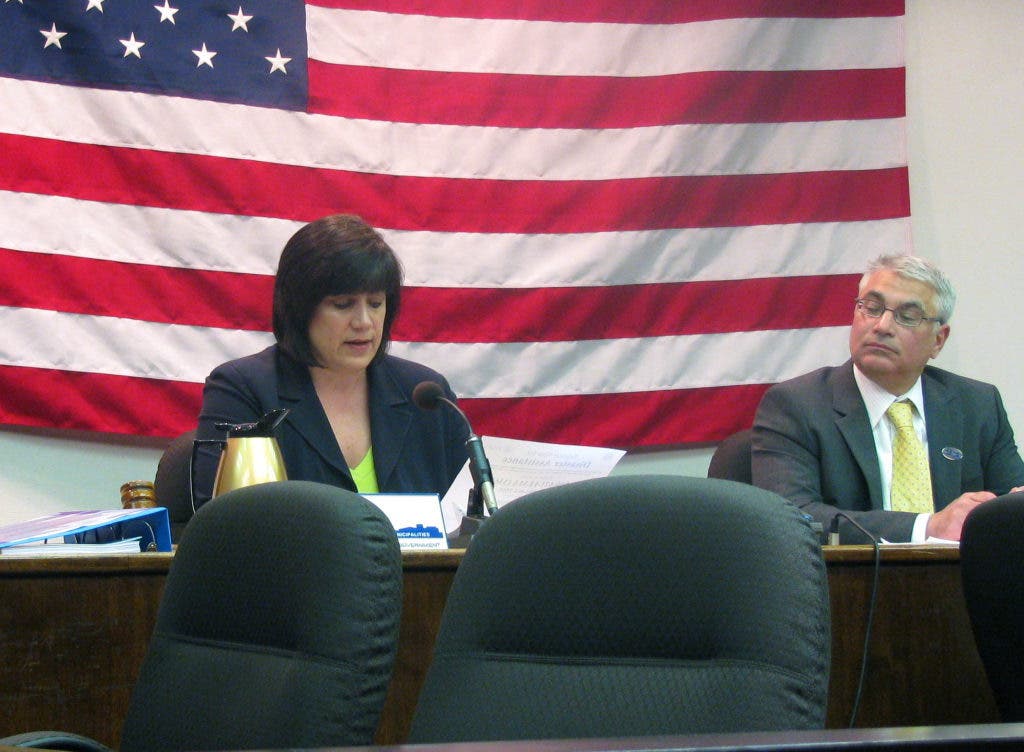
Single family homeowners will receive a sewer bill on average of $254 this year as part of the township's move to begin charging residential properties a user-based fee.
Last year, residential properties were billed a flat rate of $250, while commercial ones were billed based on their actual water usage. This year, everyone will be billed under the usage rule.
At the Scotch Plains Township Council meeting Tuesday night, Assistant Engineer Joe Timko said that based on his department's calculations, 85 percent of homeowners will pay between $250 and $300 for their bill this year. The charges are determined based on data the township received from New Jersey American Water. The residential usage formula states that residents using less than 27,500 gallons of water per year will be billed a rate of $175. Those who use 27,500 will be billed $250, then a rate for each gallon used over that.
Find out what's happening in Scotch Plains-Fanwoodfor free with the latest updates from Patch.
Timko said that about 192 properties will likely be billed between $300 and $400, based on their usage above the 27,500 amount. Another eight will receive bills above $400. The engineer said a good number of townhouses and condos will be paying less than $250 since many use less than 27,500 gallons of water each year.
The council introduced several changes to the sewer utility ordinance during the meeting. In addition to the implementation of the user-based fee for residential properties, they also proposed adjusting the way the ordinance classifies apartments and parsonages and changing the process by which people can appeal their bill.
Find out what's happening in Scotch Plains-Fanwoodfor free with the latest updates from Patch.
Timko, told the council Tuesday night that apartments will now be billed based on the annualized average flow for each apartment unit, which will be calculated by dividing the annualized total flow for the entire apartment complex by the total number of units within that complex. The sewer bill for that complex will then be the sum of the "per apartment unit cost" multiplied by the number of units within the complex on that lot.
The ordinance would also now classify parsonages as residential properties. Last year, both apartments and parsonages were billed as commercial sites, which caused some inequities.
Based on these changes, Timko said it's looking like apartment owners will pay less this year.
The billing formula for commercial properties will remain unchanged from 2009. Timko said that about a third of commercial property owners this year will see their bill stay the same. Less than a third will see their bill go up based on increased water usage, and the rest will see that it's gone down.
"I do believe this is most equitable way to administer this fee because it is based on actual usage," Mayor Nany Malool said Tuesday night. "The average resident will pay $254 as opposed to $250 last year, and I respectfully disagree, this not a budget gimmick. It was the only way to get under cap last year."
The mayor went on to note that there's been no increase in the overall budget for the sewer this year.
During the public portion of the meeting, Scotch Plains Democratic Chair Louis Beckerman reiterated the Democrats' opposition to the sewer bill and called for reform of the way it's managed.
"You can't create a new special improvement district, bring new businesses to town, then tax those businesses to death," Beckerman said. "Now that the sewer utility is on our backs, we want to make sure it's equitably distributed."
The cost of the bill will be eased a little this year by allowing property owners two separate payment dates. CFO Lori Majeski noted Tuesday that the bill will go out with two pay stubs this year – one with a due date of June 1, and the other with a deadline of October 1. There will be a 10-day grace period after each due date, after which interest on the overdue amount will being to accrue.
The bill is slated to be sent out to people no later than May 16.
Majeski noted that last year the township billed for $2.8 million in sewer fees and ultimately collected somewhere around $2.6 million, thus receiving 90 percent of what was billed.
Those seeking to appeal their bill this year will have to do so differently, if the amendments to the ordinance are passed.
To start, anyone wanting to appeal must first actually pay their bill. Township Attorney Jeffrey Lehrer pointed out Tuesday that doing so would bring billing in line with the real estate tax, in that individuals must pay the bill first, then appeal. If they win their case, the money will be returned.
The appeal process would then require individuals to submit their water bills to the township engineering department for review, prior to scheduling a meeting to discuss the issue. Because the department has had some problems with information it received from the water company, Timko said they will take the information submitted by individuals and immediately check it against what they have on file. If there is a discrepancy, it will be promptly corrected. If it's already correct and the property owner still wants to appeal the bill, they can do through a special subcommittee that will be charged with hearing the case.
In 2009, the township was overwhelmed with appeals and spent the bulk of time in the months leading up to the deadline trying to resolve them.
"Last year it wasn't as clear as it needed to be, so we put forward some steps to simplify the process," Timko said.
The township will hold a public hearing and final reading of the 2010 sewer bill on April 20 at 8:30 p.m.
Get more local news delivered straight to your inbox. Sign up for free Patch newsletters and alerts.