Community Corner
Underfunded Superfund Program Still Cleaning Up
Federal program needs a stable funding source to be effective in a reasonable amount of time.
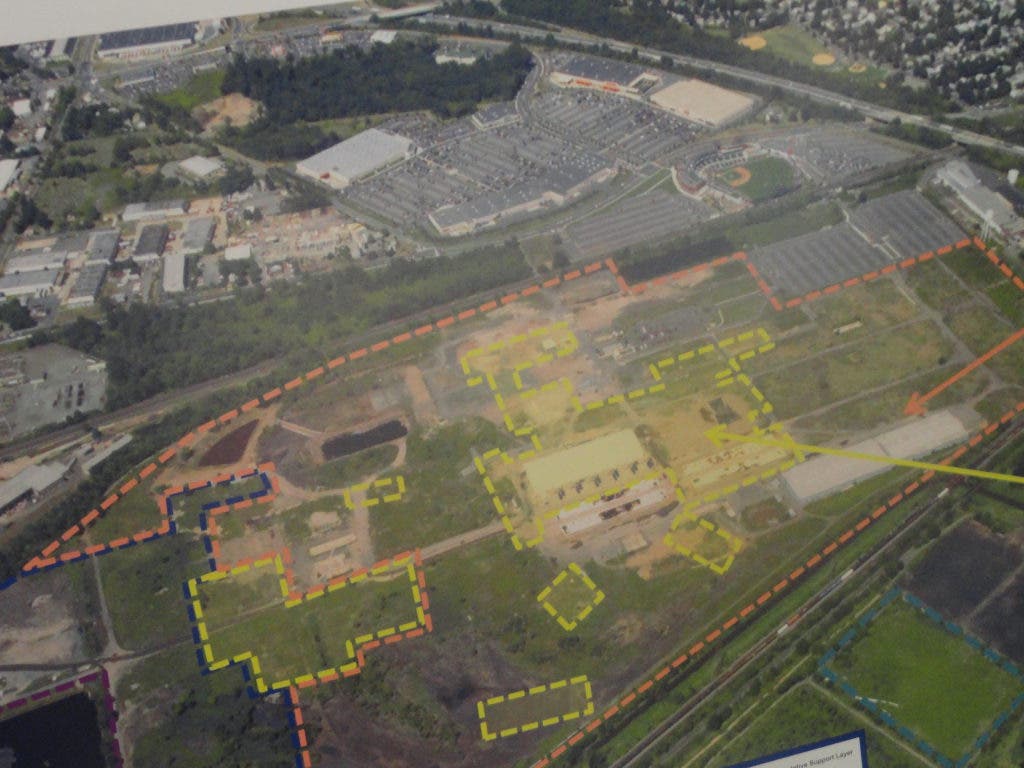
If it’s summer, it must be time for a Superfund site tour.
Last week, Rep. Rodney P. Frelinghuysen visited six sites in the 11th District with the U.S. Environmental Protection Agency administrator for Region 2.
All the locations—in Rockaway, Rockaway Township (2), Wharton, Dover and Fairfield—have cleanups in progress or are subject to continued monitoring.
Find out what's happening in South Brunswickfor free with the latest updates from Patch.
They are just a few of New Jersey’s 112 sites on Superfund’s National Priorities List. We are the only state with more than 100 sites on the list of most contaminated locations. There are another 100 sites in the state subject to federal monitoring under the Resource Conservation and Recovery Act program.
Established by Congress through the Comprehensive Environmental Response, Compensation and Liability Act of 1980, Superfund is the federal program that investigates and cleans up the country’s most hazardous waste sites.
Find out what's happening in South Brunswickfor free with the latest updates from Patch.
It was enacted in response to the discovery of several toxic waste dump sites, including the infamous Love Canal in Niagra Falls, N.Y., where a community of homes and a school were built atop a defunct canal that had been used as a chemical dump.
Eleven known carcinogens were among the substances leaching up through the soil into backyards and homes. High rates of birth defects and miscarriages were reported. The federal government eventually evacuated the entire area.
Though not as well known, some of New Jersey’s sites have had their own harmful health effects. In Byram, for instance, 17 homes were contaminated by tricholoroethylene from the Mansfield Trail Dump Site, added to the list in March 2011. The state Department of Environmental Protection has installed water and air filtration and treatment systems in the homes. Including the site on the Superfund list will allow the EPA to further investigate the source of the contamination and conduct remediation.
Extensive work has been done at others to try to prevent illness.
The cleanup of the 1-acre Krysowaty Farm site in Hillsborough, where 500 drums of paint and dye washes had been dumped, was completed and the site was removed from the priorities list in 1989. Some 1,200 people got bottled water for drinking for a time and eventually were put on an alternative water supply line bringing clean water.
Maintenance activities continue at the Sharkey Landfill site in Parsippany and East Hanover. Groundwater on the 90-acre site is contaminated with benzene, lead, cadmium and chromium. The landfill was capped and steps taken to stop runoff into the Whippany and Rockaway rivers. Most of the work was completed in 2004.
Contaminants also were found to be seeping into the aquifer below Combe Fill South Landfill, on 115 acres in Chester and Washington townships, and draining into nearby Trout Brook. About 170 people live within a half mile of the site, most of them using wells for drinking water. A multi-level cleanup has been mostly completed, though a deep aquifer study in the works will determine the need for a new waterline to the homes.
Work is just beginning on other sites.
Soil on the 200-acre former Rolling Knolls Landfill in Chatham Township, which borders the Great Swamp National Wildlife Refuge and private homes, contains polychlorinated biphenyls and mercury, among other substances. Testing is underway and a remedial investigation report is due some time this year.
Despite its successes and the crucial nature of its work, the Superfund program has problems.
Perhaps the biggest is funding.
Unquestionably, the polluters should be the ones paying for the cleanups. But pinning blame on one or even several companies is not always possible, as some of the sites were used for dumping as far back as the late 1800s. In other cases, the responsible party is out of business or bankrupt. Still, when water and human lives are at stake, contamination needs to be removed.
In its earliest years, Superfund was funded by an excise tax on petroleum and chemical companies and, later, on a corporate environmental income tax. But at the end of 1995, Congress did not reauthorize the taxes, which has led to funding shortfalls and, in many cases, longer delays.
Consider the case of Rolling Knolls. The first contamination was discovered in 1999 and affirmed four years later. Soon after it was added to the priorities list. A remedial investigation and feasibility study began in 2005. Field work started in 2007 and the investigation report is due soon. That’s 13 years after the contamination was initially found and the start of a clean up is still a long ways away.
It shouldn’t take that long.
More money would help the agency make greater headway.
Rep. Frank Pallone (D-6) keeps introducing a bill reinstating the taxes that had funded Superfund. The bill keeps dying. It is given a 0 percent chance of passage this year.
Other Congressional representatives—like Frelinghuysen, who sits on the powerful House Appropriations Committee that oversees the federal budget and is interested enough in the health of his constituents that he takes an annual tour of local Superfund sites—should join Pallone in his effort to ensure that the program has adequate funding.
Colleen O'Dea is a writer, editor, researcher, data analyst, web page designer and mapper with almost three decades in the news business.