Business & Tech
Mortgage Modification Gives Lifeline to Local Homeowners
Some South Orange residents were able to stave off foreclosure after hiring attorneys to help them modify their loans.
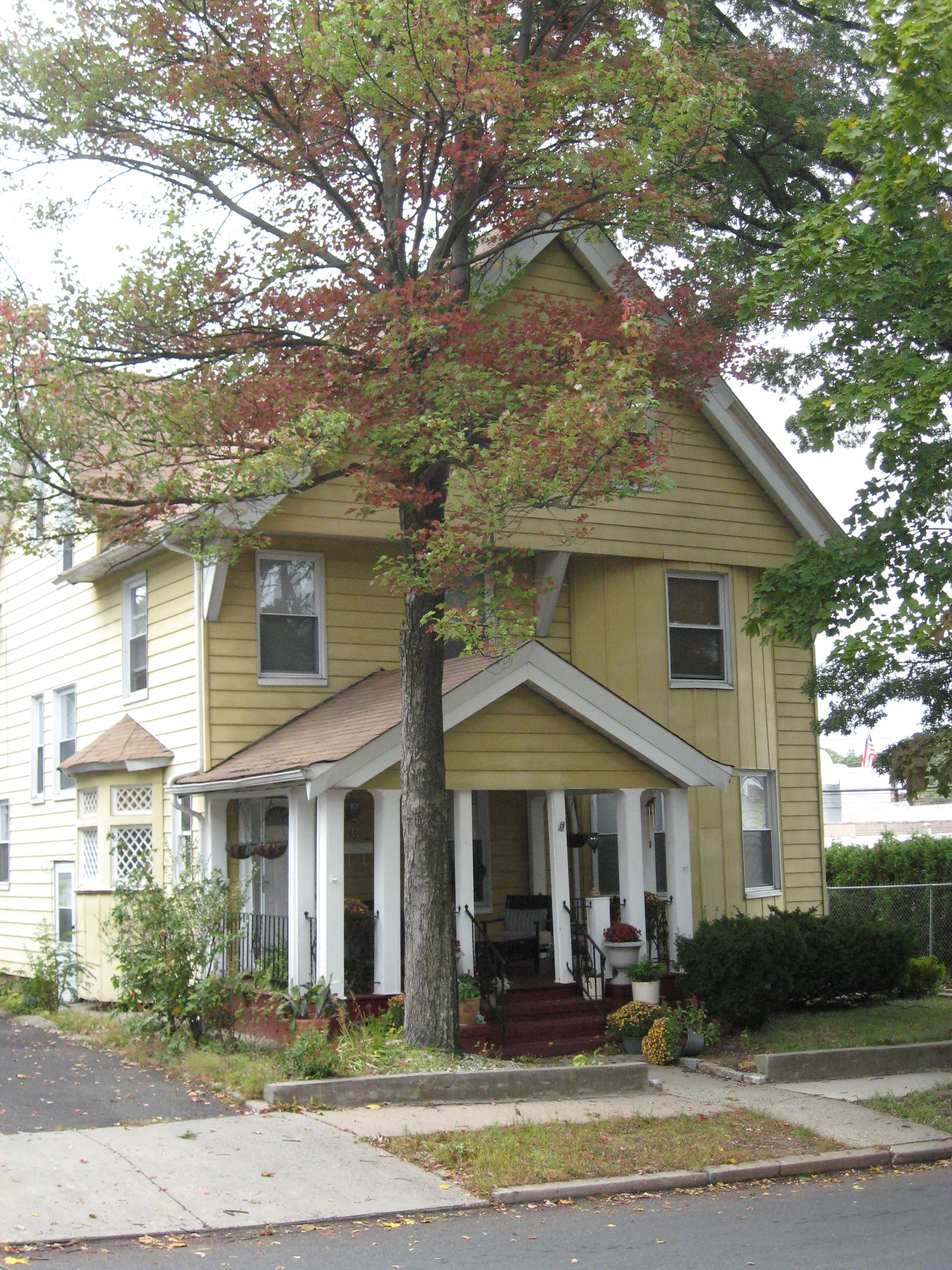
In early August, the bank became serious about taking away Steve and Marlene Hilke's South Orange home. Their mortgage provider, GMAC Financial Services, had filed paperwork with the South Orange Village Clerk signaling its intention to begin foreclosure proceedings.
As of September, the Hilkes were one of 36 households in South Orange that found themselves facing similar situations after missing payments on their mortgage. In accordance with New Jersey's passed in January, the banks were obligated to file notices of intent to foreclose with the Village Clerk.
"The interest was going up, the principle was going up," said Mrs. Hilke, an in-home healthcare provider. "I did call way before this started, but the bank wouldn't help."
Find out what's happening in South Orangefor free with the latest updates from Patch.
But, as is the case with many foreclosure filings, the records don't tell the story of what happened after the process was set into motion. The Hilkes were able to settle the dispute with GMAC before foreclosure proceedings went forward. The couple hired a lawyer for $3,500 to help them modify their loan.
"We just restructured everything," said Mrs. Hilke. "The bank took off the first loan completely."
Find out what's happening in South Orangefor free with the latest updates from Patch.
The loan modification gave the Hilkes a lower monthly payment for a three-month trial period. If they make their payments on time until the end of the year, they will secure lower rates, they said.
Another South Orange homeowner, a retired postal worker who requested anonymity, also successfully modified his mortgage with the help of a lawyer. Similar stories of mortgage modification have materialized across the U.S., as the Obama White House and other government agencies combat a second wave of foreclosures.
Beginning in 2007, the first mortgages to collapse in the housing bubble were subprime, or those held to low lending standards, said Francis Ng, a finance and economics lecturer at Rutgers University. As the subprime crisis passed in mid 2008, a new crisis began to manifest among traditional mortgage holders affected by the recession and high unemployment.
"The banks have to weigh whether to take a loss by foreclosing or take a loss by lowering the payment," said Ng, who worked with mortgage securities on Wall Street for over 20 years.
Both the White House and New Jersey Legislature have instituted programs to help push banks toward modification.
The Obama administration's Making Home Affordable program encourages lenders to modify mortgages for overly-burdened homeowners meeting a list of criteria and directs homeowners to mortgage counselors. Although banks voluntarily choose to participate in the program, the White House claims it has already saved 500,000 homes from foreclosure.
"The program seems to be working, but a lot of banks are reluctant," Ng said. "Foreclosures nationwide seem to be steady already."
New Jersey has instituted its own initiative, the Mortgage Assistance Program, to direct financially troubled homeowners to mortgage counselors.
What the Hilkes didn't know is they could have received mortgage assistance for free without the help of a lawyer, said Gail Davis, who supervises counselors at Tri-City Peoples Corporation, a non-profit approved by the state and federal government to offer mortgage counseling.
"Most banks won't renegotiate with you until you are late," Davis said. "If they're not late, they should come to an honest-to-goodness Housing and Urban Development agency... for free."
Having already modified their loan, the Hilkes will learn how much they'll save when their trial period ends in December. Although the couple is glad to keep their home at the moment, they plan to move in about three years, after a nephew living with them leaves for college, they said. Asked if they would buy a house again, the couple smiles.
"I would," Mr. Hilke said. "Once bitten, it's a whole different life."

![2,325 Students Earn Diplomas From Seton Hall University [WATCH]](https://patch.com/img/cdn20/users/22844250/20260519/032716/styles/patch_image/public/55278277363-6da6b3e950-o___19152531198.jpg)