Neighbor News
Lisa McCormick wants the FCC to hang up on high prison phone charges
New Jersey's leading progressive applauds the Justice Department & Federal Communications Commission for lowering jailhouse phone prices
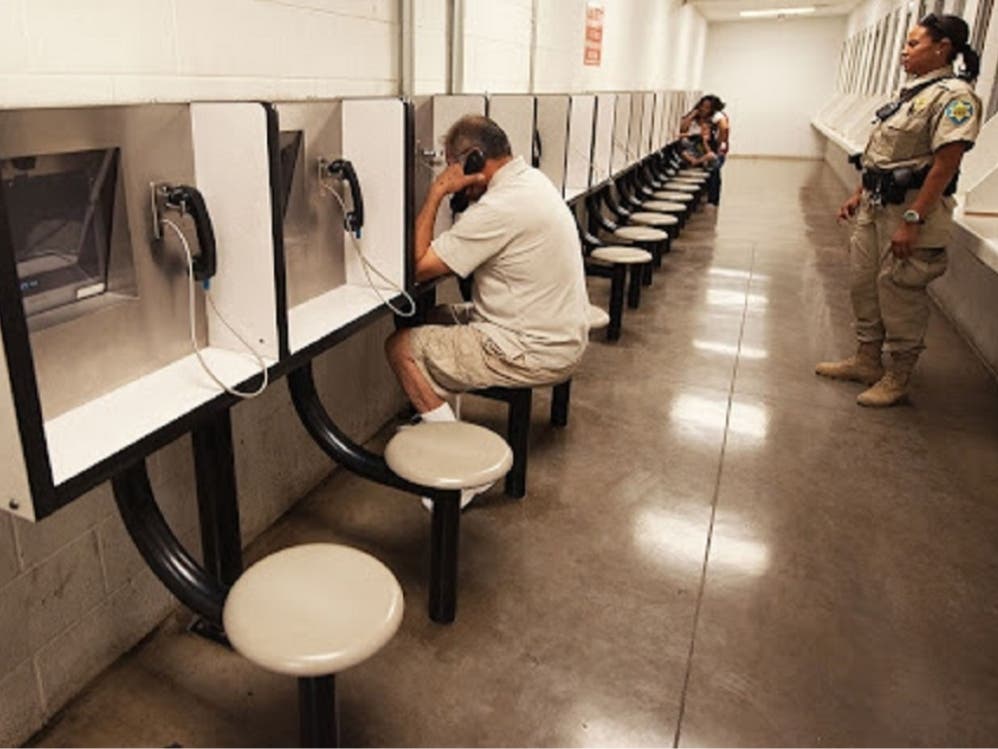
Lisa McCormick, New Jersey's leading progressive and advocate for social justice, has applauded the recent submission by the Justice Department to the Federal Communications Commission (FCC) in support of efforts to lower prices and enhance the quality of incarcerated people’s communications services (IPCS).
In a filing with the FCC, the Justice Department’s Antitrust Division endorsed initiatives aimed at making rates and charges for IPCS more fair, just, and reasonable. Assistant Attorney General Jonathan Kanter emphasized the vital role that regular and reliable communication plays in keeping incarcerated individuals connected with their families and reducing recidivism rates.
McCormick, who has been a vocal critic of corporate greed and advocate for the rights of vulnerable populations, particularly those within the criminal justice system, expressed her support for the Justice Department’s stance. She underscored the importance of ensuring that incarcerated individuals have access to affordable communication services, which she described as a fundamental human right.
Find out what's happening in Teaneckfor free with the latest updates from Patch.
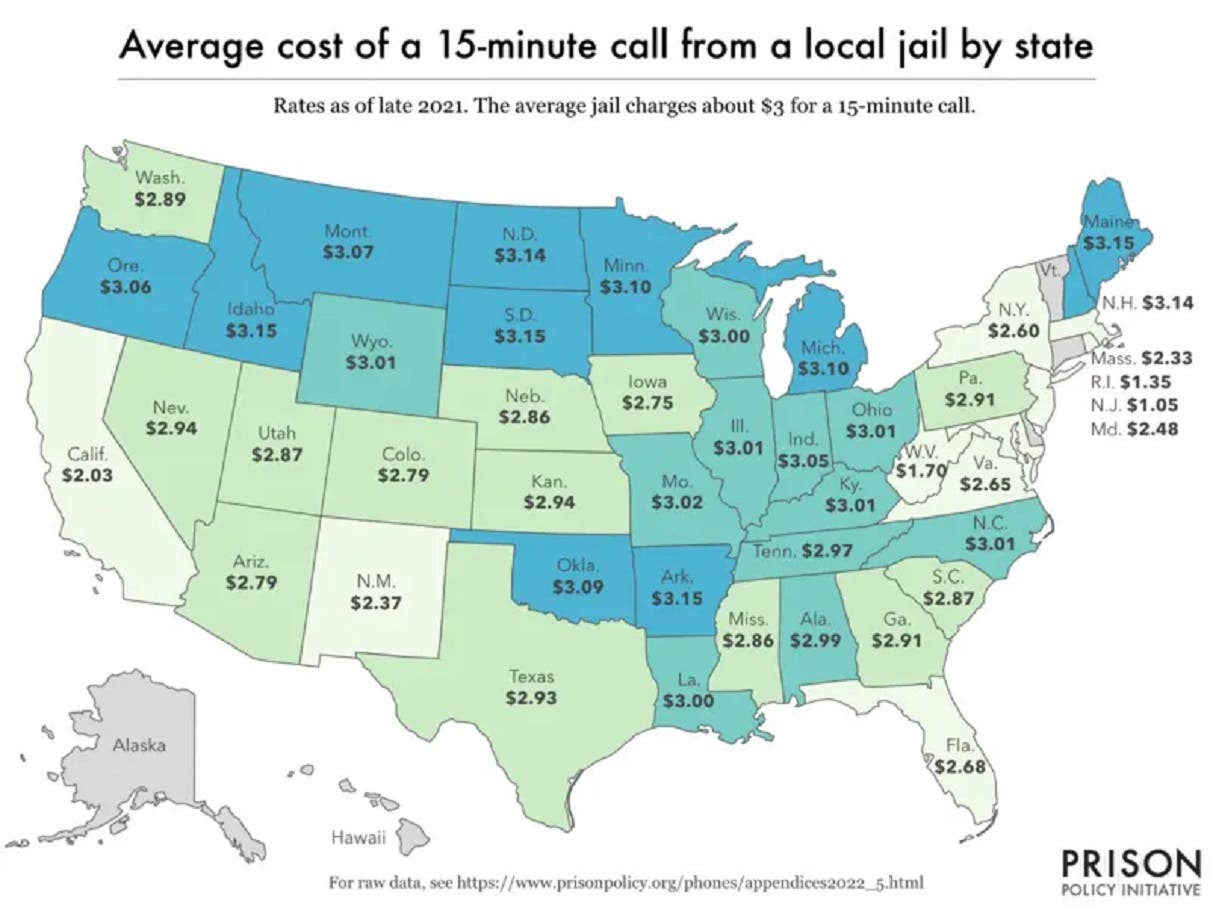
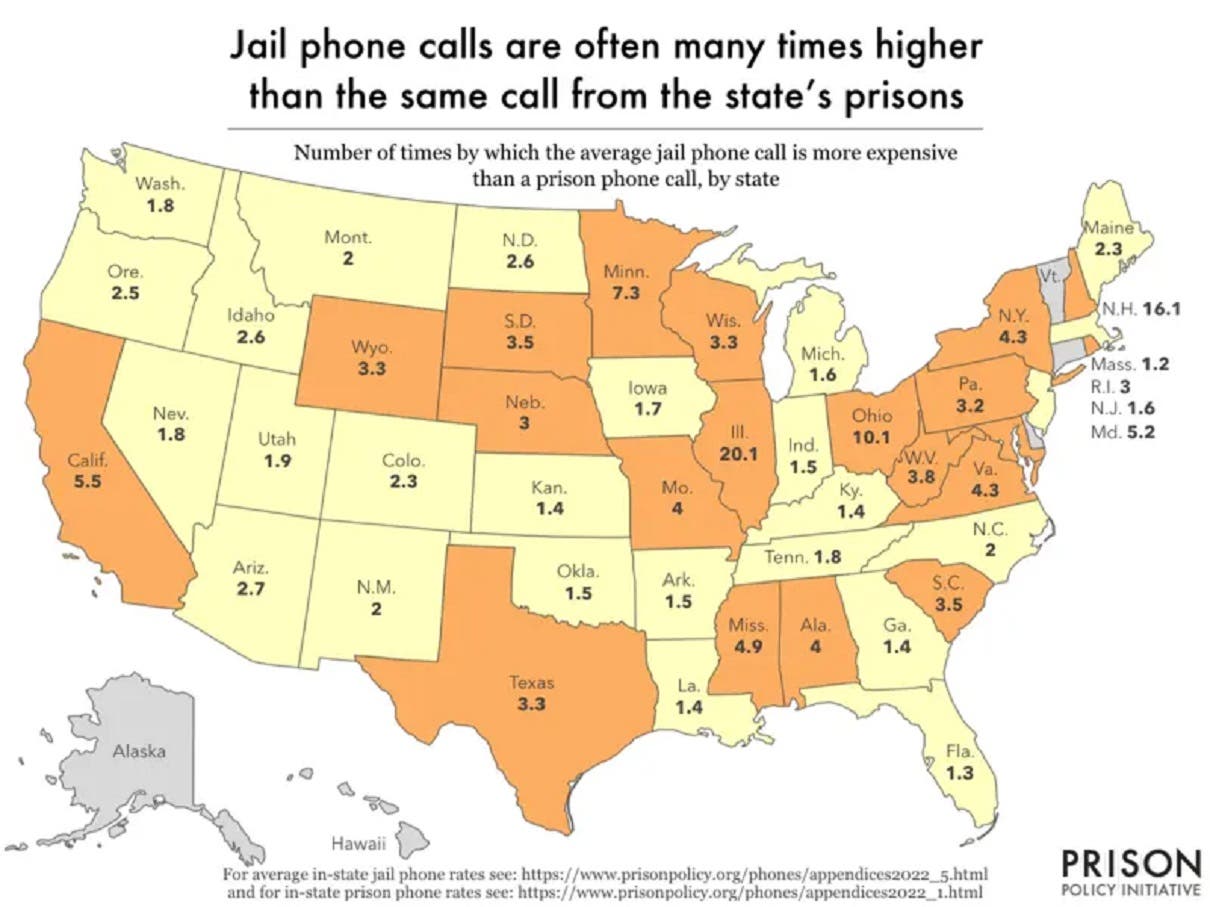
The cost of prison phone calls varies by state and jail, with some jails charging as little as 1–2 cents per minute, and others charging 10 times that or more.
"Exorbitant phone charges for people in jail or prison amount to cruel profiteering at the expense of some of America's most vulnerable people," McCormick stated. "While progress has been made in reducing the cost of calls for incarcerated individuals, further action is needed to address the escalating costs of other essential services like video and electronic messaging."
Find out what's happening in Teaneckfor free with the latest updates from Patch.
McCormick highlighted the Martha Wright-Reed Just and Reasonable Communications Act of 2022, which capped costs for in-state calls and prompted the Justice Department's submission to the FCC. She commended the FCC's adoption of interim rates for IPCS and the imposition of caps on third-party fees, but emphasized the need for continued regulation to ensure fair pricing across all communication services utilized by incarcerated individuals.

McCormick urged the FCC to implement regulatory safeguards that promote competition, align market incentives, and lower costs for IPCS. She emphasized the importance of affordable communication services in maintaining familial connections and supporting the rehabilitation of incarcerated individuals.
In February, state Senator Brian P. Stack, Assemblywoman Carmen Theresa Morales and other New Jersey lawmakers introduced legislation to make phone and video calls for incarcerated people free.
The bill's sponsors say that removing the cost of communication would allow for more frequent family calls, which can improve mental health and help people avoid reoffending after release.
For over two decades, civil rights advocates and consumer groups have criticized states and local governments for padding their budgets by charging people behind bars high phone rates.
One prominent critic in Washington, D.C., Martha Wright-Reed, a now-deceased former nurse who was blind, complained in a 2000 class-action lawsuit that she had to pay $ 2,000 a year to talk to her grandson when he was in jail for manslaughter.
Those prices–which the FCC said in 2015 could be as high as $14 a minute–made it difficult for the incarcerated to stay in touch with their friends and families, increasing the chances they'll end up back in jail after they get out and worsening the pain of families who’ve seen loved ones locked away.
“It's very important when people come out to be able to have somebody who they stay with, who’s going to help get them a job and help them get back on their feet, who can vouch for them so they are able to earn a living,” said Cheryl Leanza, an advisor for the United Church of Christ, one of the groups that have pressed for a change.
“There’s a cost as well for children whose parents are incarcerated. They need to know that their parent loves them and cares for them. And they need to feel solid in that relationship for them to succeed in the rest of their life,” Leanza added. “You want to keep families intact.”
The FCC under the Obama administration in 2015 capped the amount all inmates had to pay, whether they were locked up in state prisons or local jails and if they were calling within or outside the state, at 11-cents a minute–or $1.65 for a 15-minute call.
That was a major cut from the $2.80 average price inmates in state prisons were paying to make a 15-minute call to someone outside the state and the $3.39 to call people in the same state in 2014, according to an analysis by the Prison Policy Initiative, an advocacy group for the incarcerated.
Those in county jails in 2016 were paying $6.74 for the same 15-minute call in-state.
Phone companies serving jails and prisons challenged the Obama-era rates, and the Trump administration decided not to defend the rules in court. A federal appeals court ruled that while the FCC could cap rates for calls across states, they did not have the authority to limit charges for calls within states.
The law signed by Biden clarifies that the FCC does have that power.
Even though the FCC has been unable to set a cap on how much it costs to call people in-state, rates at prisons are down. A 15-minute in-state call from a prison averaged $1.20 in 2021, according to the Prison Policy Initiative study.
Incarcerated people and their families are literally a captive market that private companies — with the collusion of the facilities — are all too eager to exploit. We are bringing these practices to light and fighting back.
"We’ve won some real victories at the FCC lowering rates and halting industry consolidation, we’re pushing for states to take action, and we’re keeping this industry and the perverse incentives it offers the sheriffs in the news," said Peter Wagner, executive director of the Prison Policy Initiative. "At a time when the cost of a typical phone call is approaching zero, a few companies are charging millions of consumers — the families of people in prison — outlandish prices to stay in touch with their incarcerated loved ones."
"The cost of everyday communication is arguably the worst price-gouging that people behind bars and their loved ones face," said Wagner. "While some jails have negotiated rates as low as 1 or 2 cents per minute — proving the possibility of much lower phone rates — the vast majority of jails charge 10 times that amount or more."