Community Corner
New Year All Over Again
Israeli journalist Yoav Sivan reflects on his first Jewish New Year in Teaneck.
My first Jewish year in Teaneck just ended last week. In 5569 I moved from Tel Aviv to Teaneck to attend Columbia Journalism School, and at the beginning of 5571, I'm already a Columbia alumnus. 5570 has been a year of transition for me.
Moving from Tel Aviv to Teaneck is like making aliya: Teaneck is the most Jewish place I have ever lived in my life.
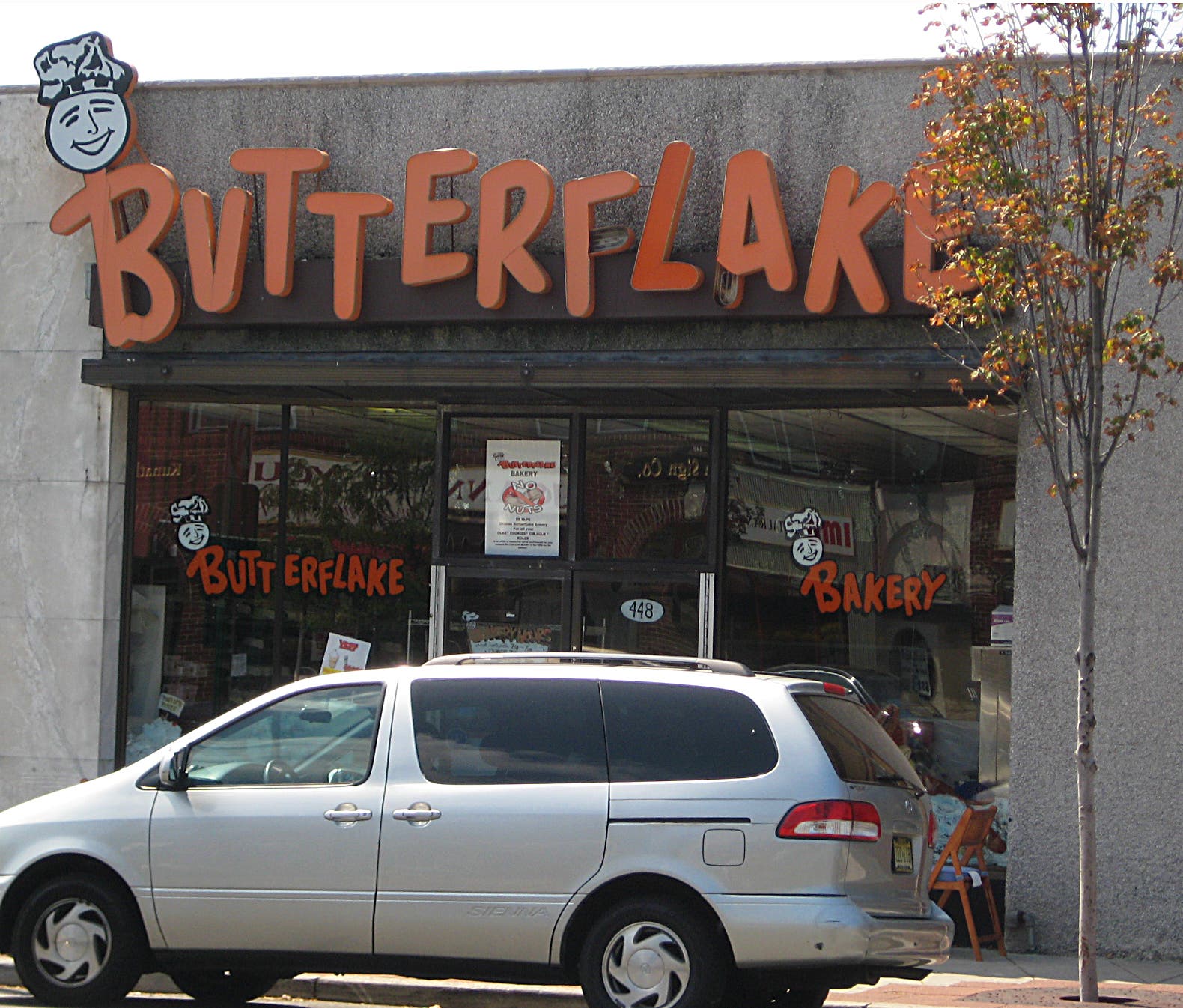
My Jewish routine now includes a kidush with a challa on Shabbat Eve or yom tov. So I learned quickly that what the Abulafia bakery is to Tel Aviv, Butterflake is to Teaneck.
My friend, Steven Goldstein, on Wednesday morning before the new year was about to enter queued to buy a challah at the famed bakery on Cedar Lane. He was not surprised to find out that he was not the only Jew in Teaneck with the same idea in mind.
"I knew it would be a mob scene," said Goldstein, 48, chair of Garden State Equality. "It was as crowded as sardines in there, out the door even," he said of his one-and-a-half-hour struggle for a piece of bread. "It was almost cutthroat competition."
Butterflake was jammed with Jews who were forcing themselves to be helpful. In Goldstein's words: "the woman behind me wisely shouted, 'Why don't you open a separate line for people who just want to buy challah?' and the woman in front of me yelled back, 'How dare you, I've been waiting in line for an hour!'"
A few hours later I visited the battle scene in Butterflake. By then, the shelves and boxes were half empty and only a handful of customers were still making the final deal of the year.
David Goldberg was standing behind the counter. Goldberg, 49, a self-described volunteer, told me they had sold 2,000 challahs, during "the busiest day of the year." On a routine Friday, he offered in comparison, they don't sell even half that amount.
Goldberg himself would bring home to his wife three challahs—raisin, eggs and water—for the Rosh Hashana meal.
In between, he exchanged self-critical comments with a customer, who inquired whether Butterflake had nuts in their products. "The people who work here are a bit nutty," Goldberg was telling her, but otherwise the bakery was "nuts-free."
Goldstein "wouldn't trade the experience for anything—the Teaneck ritual of waiting in line at Butterflake on Erev Rosh Hashana." The Jewish holidays are memorial days (yom zikaron), so I'm not surprised that Goldstein values his shopping experience as "affirming... that the Jewish community has survived and thrived." For Jews, even lining up for challa connotes to our community and collective recollection.
Two thousand pieces of challah will help our smooth transition into a new year. Well-timed, the fall breeze, cooling the summer's sins, welcomed us as we were gushing out of Mosaf service into a new year.
During Rosh Hashana, as its Jewish residents empty their sinful pockets into the Hackensack River in Tashlikh, Teaneck feels more Jewish than ever. But walk a block away from crowded Butterflake and the successful ethnic mosaic of the town is revealed through its kitchens.
Empire Hunan is my Chinese restaurant on Cedar Lane. John Truong, its owner for 20 years, estimates that about half his consumers are Jewish (it used to be 70 percent, he says). In preparation for the new Jewish year, he adjusts his staff, timing their vacation to coincide with Rosh Hashana and Yom Kippur. But adjustments notwithstanding, he'll be serving the mixed community during the holidays in the spirit of "business as usual."
Services during Yamim Noraim allow Congregation Beth Aaron, an Orthodox shul on Queen Anne, to present the power and cohesion of its community. Noam Schneck, 26, left his regular minyan to join his in-laws in Beth Aaron for Rosh Hashana. Originally from Washington, D.C., he moved to Teaneck from Manhattan with his wife and their young daughter, where he is now pursuing a doctoral degree in psychology at Fairleigh Dickinson University.
Among a crowed of 300-odd attendants, where men are strictly dressed with a suit and tie, Schneck stands out without a jacket. During Yamim Noraim, he says, we look back and look ahead. These 10 days culminate with Yom Kippur, when we look back at our deeds in the passing year. But we begin with Rosh Hashana on a rather optimistic note, he adds, a time to look forward with hope and to celebrate creativity.
Ten-year-old Sefi Rosenberg broke his arm several days before the year was about to end. He, too, is optimistic about the new year. The cast on his hand is a reminder for him that next year brings a new hope and a fresh start.