Crime & Safety
4 Million Pills: Ocean County's Latest Prescription Drug Incineration
Nearly 3,000 pounds of prescription drugs were turned in over the last three months, prosecutor's office says.


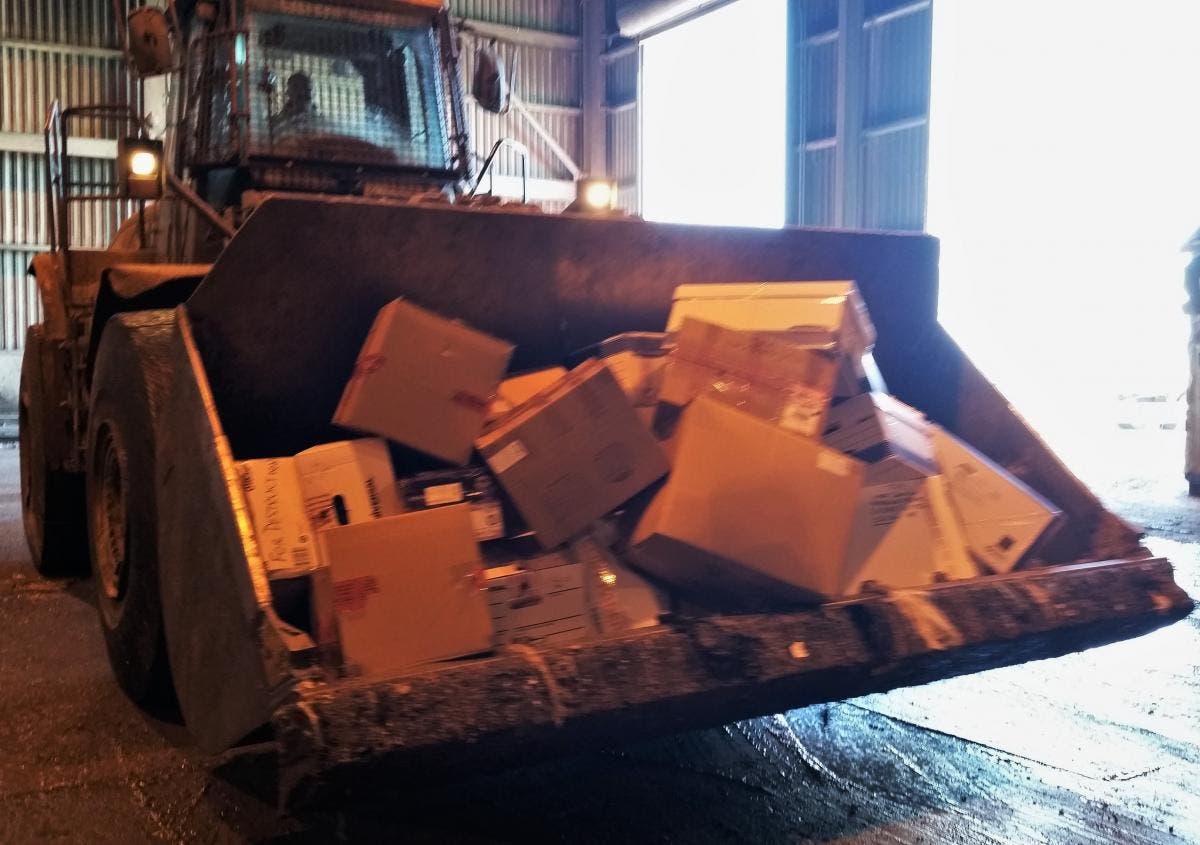
TOMS RIVER, NJ — Nearly 3,000 pounds of prescription medications went up in flames Wednesday, the latest round of incineration of unused medications collected in Ocean County through Project Medicine Drop, Ocean County Prosecutor Joseph D. Coronato said Thursday.
Since the program began in the summer of 2014, more than 13,340 pounds of medications have been collected and destroyed, said Al Della Fave, spokesman for the prosecutor's office. The 2,960 pounds destroyed on Wednesday is the largest amount collected since the program's inception.
How many pills does that equal? One pound equals 453,592 milligrams. If you use a 300 mg pill (though pills vary in both size and weight), that's roughly 1,500 pills in one pound. So the 2,960 pounds incinerated Wednesday means more than 4 million pills taken out of circulation. Over the course of the program, the figure exceeds 20 million pills, by these calculations.
Find out what's happening in Toms Riverfor free with the latest updates from Patch.
“Unused medications often end up in the wrong hands, are used illegally, or find their way into our water supply," Coronato said. "In the worst-case scenarios, these forgotten pain-killing medications lead to addiction or teens becoming unwitting drug dealers.”
Getting unused prescription painkillers out of medicine cabinets has been just one of the ways Coronato's office has been tackling the heroin crisis that was exploding as he became the Ocean County prosecutor.
Find out what's happening in Toms Riverfor free with the latest updates from Patch.
Prescription medications, particularly opioid-based painkillers, have been fueling the crisis; the national Centers for Disease Control recently issued new guidance to doctors regarding prescribing opioid painkillers in response, saying prescriptions should be limited to a seven-day supply and should be for the lowest possible dosage. A Paterson, NJ, hospital emergency room has stopped dispensing opioid painkiller prescriptions as a response to the issue.
The CDC and the National Institute on Drug Abuse say 60 percent of teens who abuse prescription drugs get them from friends and relatives, and more teens die from prescription drug misuse than heroin and cocaine combined.
And nearly half of the young people who inject heroin got started with prescription opioids, according to the Partnership for a Drug-Free Youth. Some become addicted after being prescribed opioids for a legitimate reason — after surgery for a sports injury or after dental surgery (such as Oxycontin or Percocet) — while other teens become addicted after taking pills at a party — pills that most often were taken from a relative's medicine cabinet.
Project Medicine Drop is the countywide initiative to make disposal of unused medications an easy convenient priority for Ocean County residents. Towns that participate by having easily accessible medication drop boxes at police department entrances are: Barnegat, Berkeley, Brick, Jackson, Lacey, Lakewood, Little Egg Harbor Township, Long Beach, Manchester Township, Waretown, Point Pleasant, Seaside Heights, Stafford, Toms River and Tuckerton.
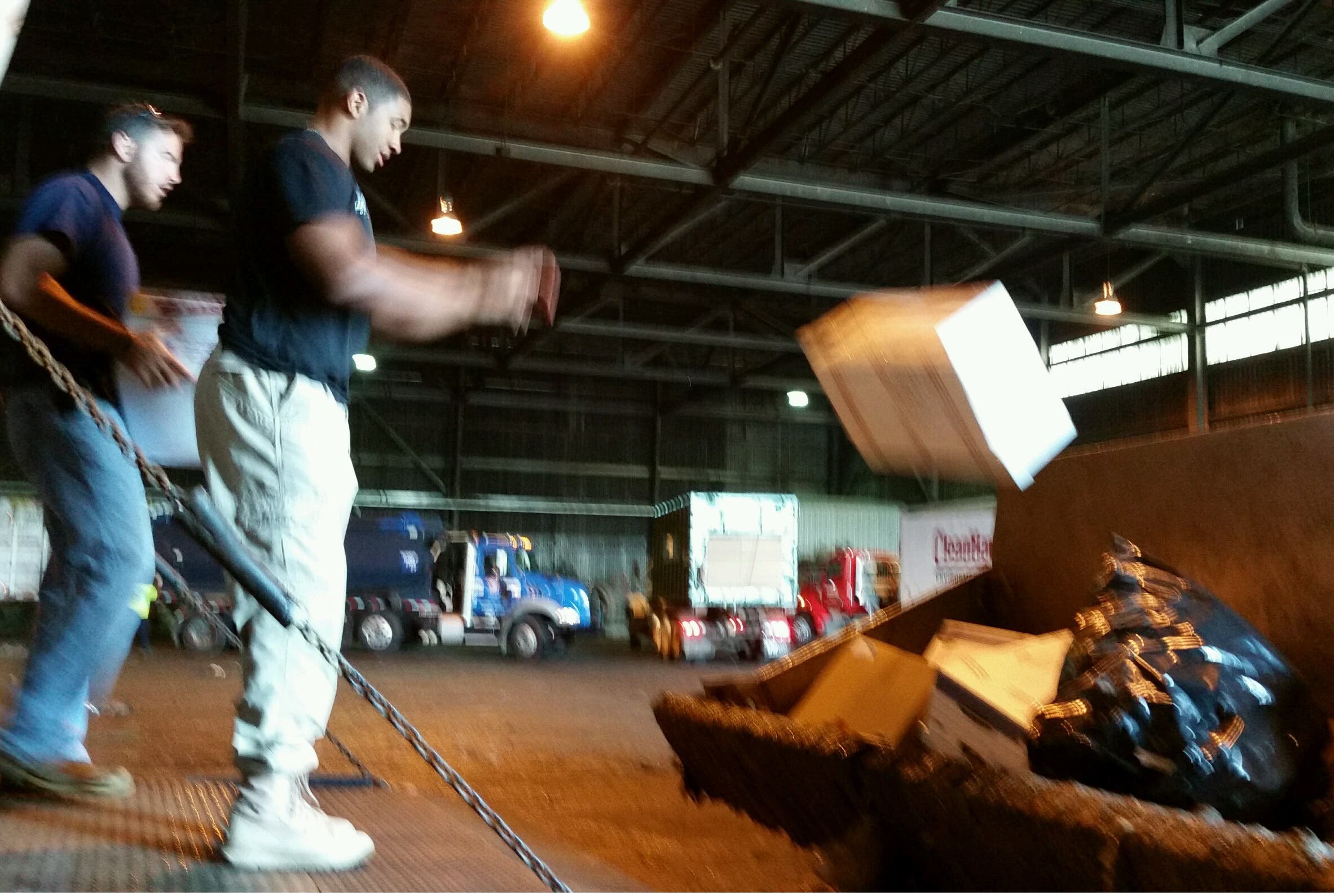
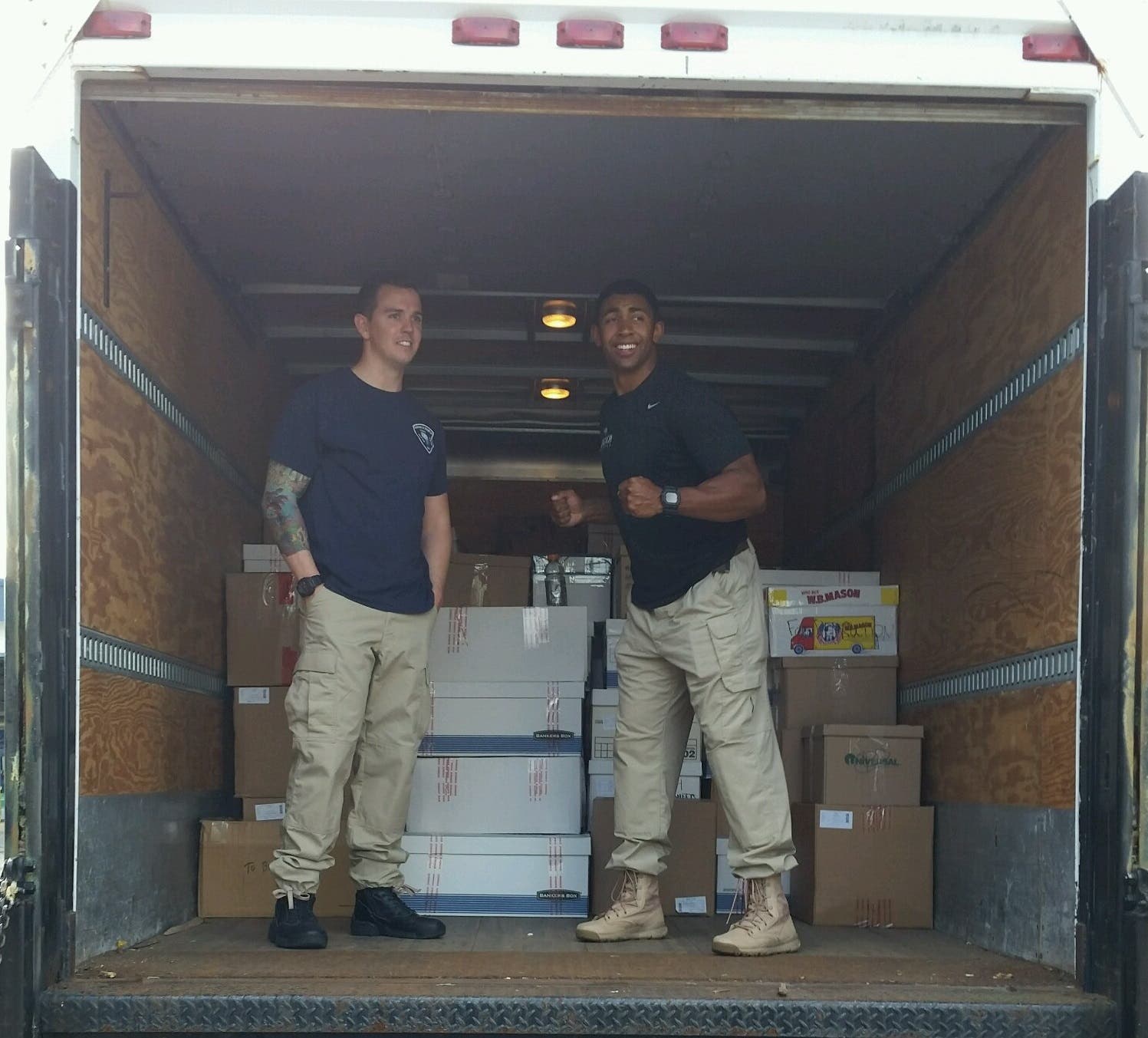
"It can be difficult to comprehend the amount of medications to account for such a huge total," Della Fave said. "These photos of OCPO detectives loading the pills into a box truck for transport to the burn should give you a good sense of the astounding volume. The stiff backs of the detectives can certainly attest to it."
Della Fave said the pill collections to date have yielded the following amounts:
- October 3, 2014 — 2,220 pounds
- March 27, 2015 — 2,880 pounds
- July 17, 2015 — 2,520 pounds
- October 29, 2015 — 2,300 pounds
- December 2, 2015 — 1,040 pounds
- April 13, 2016 — 2,380 pounds
If you have unused or unneeded medications in your home that you wish to dispose of, contact your local police department. The Project Medicine Drop bins are accessible 24 hours a day, seven days a week and disposal can be done anonymously by removing the prescription label from the prescription bottle.
There are announced collection events as well.
Want more information on what you can do to help stem the tide of prescription drug abuse? Check out the Medicine Abuse Project of the Partnership for a Drug-Free Youth.
Get more local news delivered straight to your inbox. Sign up for free Patch newsletters and alerts.