Politics & Government
Curbing The Opioid Epidemic One Pill At A Time: National Prescription Take Back Day
Prescription painkillers are fueling the heroin epidemic. You can help by disposing of unneeded pills this weekend.


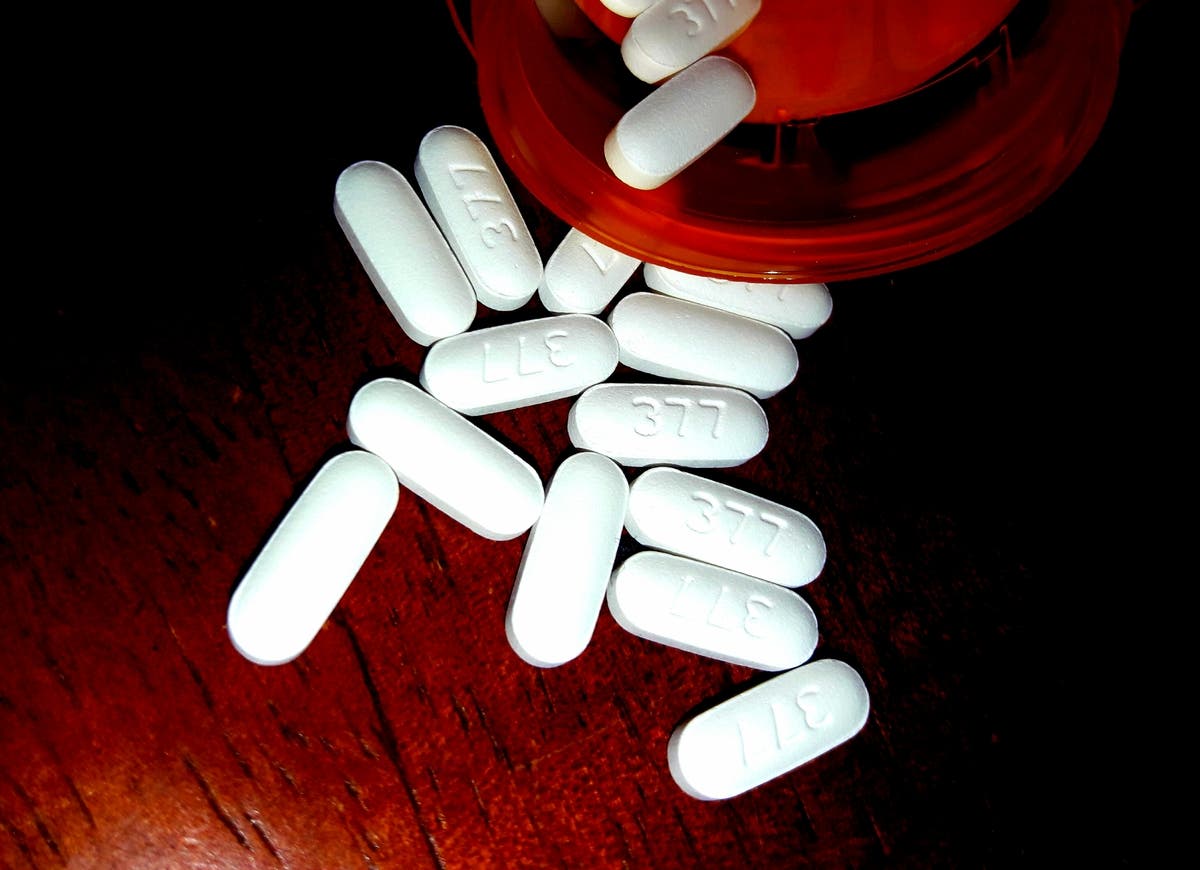
I had surgery recently, and like thousands of people across the country who have surgery every day, my doctor sent me home with a prescription for medication to manage postoperative pain.
It's something many people don't give a second thought to: Human beings don't like being in pain. We trust doctors to do the right thing for us as their patients. After all, if a doctor prescribes a pain reliever it must be safe, right?
The fact is that prescription opioid pain medication has been fueling the epidemic of overdoses across the country. According to the American Society of Addiction Medicine, drug overdoses are now the No. 1 cause of accidental death in the United States, with 52,404 people dying from lethal drug overdoses in 2015. Nearly half of those overdose deaths — 20,101 — were related to prescription pain relievers, ASAM said.
Find out what's happening in Toms Riverfor free with the latest updates from Patch.
But what about heroin, you say? We know heroin is a tremendous problem in Ocean County, as well as the rest of New Jersey and the rest of the country. ASAM said of the 52,404 overdose deaths in 2015, 12,990 were related to heroin. In Ocean County, the numbers are staggering. The Ocean County Prosecutor's Office said in 2015, there were 120 overdose deaths, and 272 naloxone reversals. In 2016, there were 209 overdose deaths and 509 naloxone reversals. As of Monday, Ocean County has had 42 overdose deaths and 109 naloxone reversals, according to Al Della Fave, spokesman for the prosecutor's office.
Those overdoses aren't people who just picked up a needle one day and stuck it in their arm, however. The American Society of Addiction Medicine said the fact is that four out of five first-time heroin users got addicted to opioids through prescription painkillers.
Find out what's happening in Toms Riverfor free with the latest updates from Patch.
The problem is so acute that the Centers for Disease Control issued guidelines last year urging doctors to rein in the length of prescriptions for pain medication, saying opioids — you know them by names like Percocet, Roxicet, Vicodin, OxyContin, morphine, Demerol, just to name a few — should be used for short-term pain relief of a week or less. New Jersey last year passed a law limiting opioid prescriptions to five days.
I've read the complaints hundreds of times from people saying not enough is being done by law enforcement or the government to combat the problem; but the same people who say that complain about government intruding in other aspects of life.
The fact is that solving the opioid crisis will take everyone getting involved. And it doesn't have to be grand gestures or hours upon hours of volunteer time.
It can start with something as simple as cleaning out medicine cabinets and taking the time to really learn about the medications you and your loved ones are being prescribed.
After my surgery, my doctor sent me home with a prescription for tramadol. Even with all the time I spend on this issue, this was a drug I had not heard of. Because research is what I do, I looked it up. Tramadol is a powerful opioid that has serious complications if it is mixed with the wrong things; it can cause you to stop breathing if you take tramadol within hours of having any alcoholic drink.
The effects of tramadol are serious enough that the Food and Drug Administration issued a warning last week telling doctors to not prescribe either tramadol or codeine to children younger than 12 years old.
I have a high pain tolerance, but after the surgery I definitely needed the relief. However, I was extremely careful to follow the directions to the letter. I only took it when I absolutely needed it, and after the first day, the only time I needed it was at night. My five-day prescription supplied me with 30 tablets, enough for one every four hours; I used just seven. And then I wanted them the hell out of my home.
There's much discussion about home burglaries where electronics or jewelry or other pawnable items are stolen. But prescription medications are often a target as well.
It's not just home break-ins where the medicine cabinet is targeted. If you're selling your home, addicts may come in and rummage through your medicine cabinet looking for painkillers and other drugs they can use or sell. If you have elderly family members, any number of people who have access to the home could target those drugs. And if you have kids, your kids or your kids' friends could go looking as well. "Pill parties," where kids raid their parents' medicine chest and then throw everything in a bowl where anyone can grab them like snacks, do happen. And they are incredibly dangerous.
So what can you do? Start by getting unneeded, unused and expired medications out of your home. And don't share your medications with a friend or a child.
In 2015, the most recent year that information is available, there were 276,000 kids ages 12 to 17 who were using pain killers that were not prescribed to them, ASAM said. Of those 276,000 kids, 122,000 were addicted to prescription pain relievers.
Here's the really scary part: the ASAM said most of those kids are receiving them from a friend or relative who shared their own unused prescriptions.
If you have elderly family members, talk with them. Go over their medications and make sure the only ones around are ones they currently need. Take the expired medications, the unused medications and bag them up.
This Saturday, April 29 is National Prescription Drug Take Back Day. Law enforcement agencies around the country are encouraging people to clean out their medicine cabinets of any prescriptions they no longer need.
The collections are free of charge and no questions asked. You don't have to show ID; you don't have to show they were obtained with a legitimate prescription. Empty the pills into a bag, or just peel the labels off the bottles and take the medications in the bottles.
A news release from the Drug Enforcement Agency stresses the impact of the overdose epidemic: 6.4 million Americans age 12 and over—2.4 percent of the population—abuse prescription drugs, according to the 2015 National Survey on Drug Use and Health. That's more than those who abuse cocaine, heroin, hallucinogens, and methamphetamine combined.
Drug overdoses kill more people than motor vehicle crashes or firearms, the DEA said.
Again: The majority of prescription drug abusers report that they obtain their drugs from friends and family, including from the home medicine cabinet.
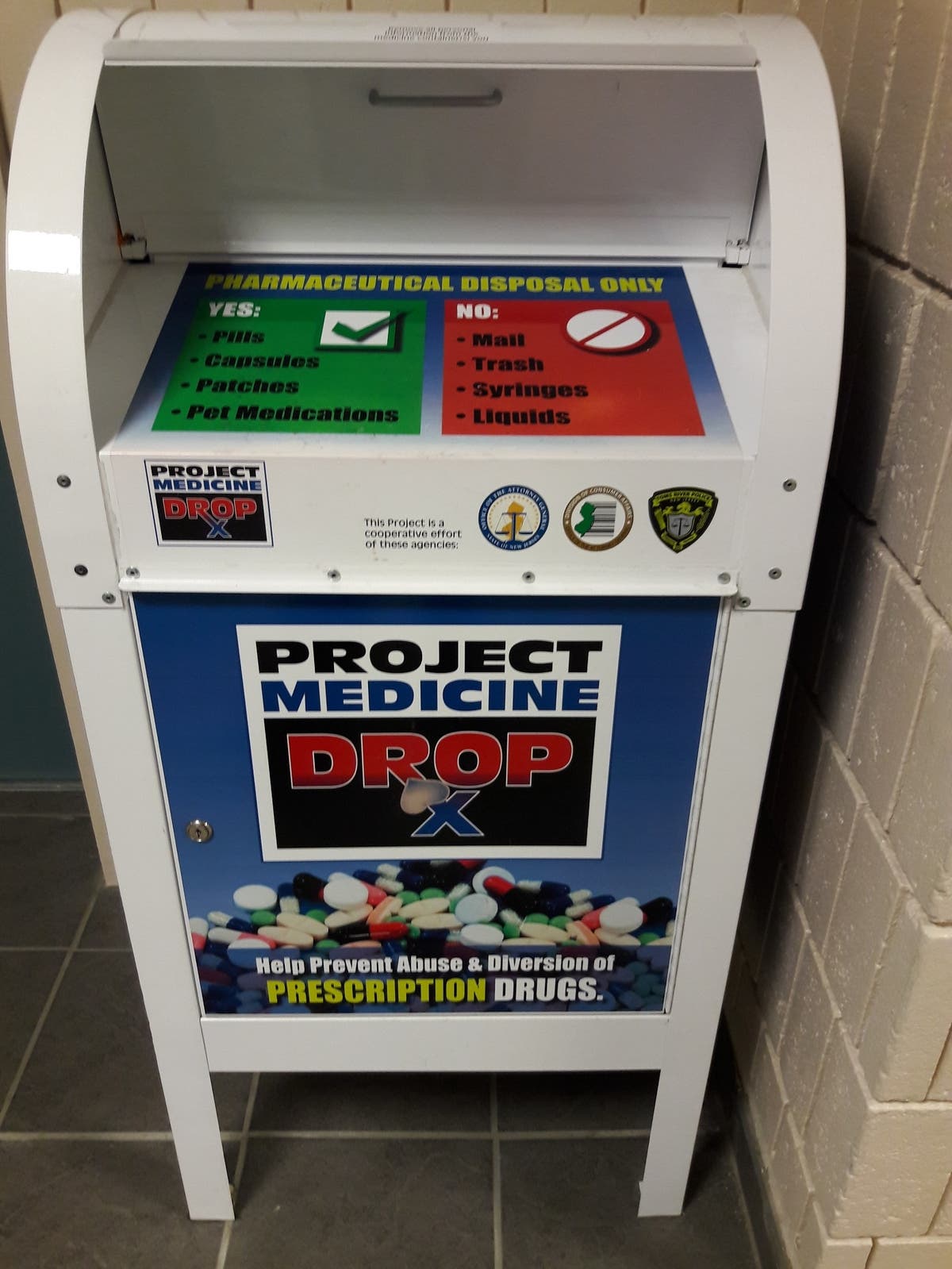
So gather them up. Help your family members gather them up. And take them to a collection site near you. The DEA has a searchable database of collection sites; click here to access it. If you're not sure, or you can't drop yours off Saturday, call your local police department and they can help you find a location. Many police departments now have a secure drop box inside the police station that is available around the clock.
I stopped in the Toms River Police Department last Saturday and dropped off those last 23 tramadol tablets in the Project Medicine Drop box. No need to have something like that in my home any longer than necessary. I'm hoping to help some family members clear out their medications this weekend, too.
Because we all can do our part to help stop this epidemic. One pill at a time.
Photos by Karen Wall
Get more local news delivered straight to your inbox. Sign up for free Patch newsletters and alerts.