Politics & Government
Photographer Renews Crusade For Tiny Houses To Help Homelessness
As homeless issues hit Toms River and Howell, Sherry Rubel is urging anyone who will listen to support the Tiny Home Pilot Program bill.


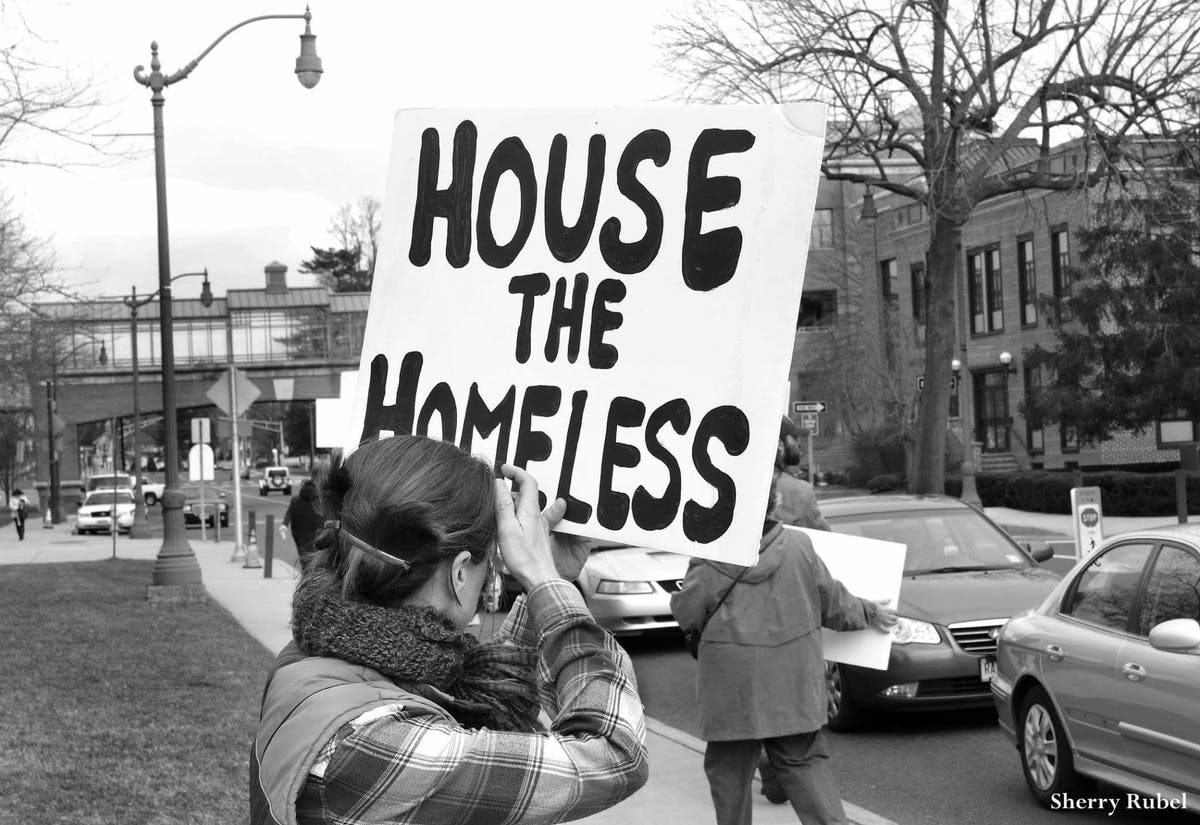

TOMS RIVER, NJ — Earlier this year, when the Toms River Township Council voted to buy the Red Carpet Inn downtown with the expressed plan of demolishing it, advocates for the homeless turned out, begging the council to make other plans.
Last week, when the Howell Township Council voted to place a piece of town-owned property that hosts a homeless encampment up for public auction, they turned out there, too, urging the council to hold off.
"The homeness need someplace dry to go and sleep," Rosemary Vogel of Toms River said at the Toms River meeting, urging the council to turn the motel into a homeless shelter. She noted the homeless population encompasses more than just single adults; it's mothers with children, and "families with four children and a mom and dad who have nowhere to go."
Find out what's happening in Toms Riverfor free with the latest updates from Patch.
"Instead of creating an empty lot, use that facility creatively," said Connie Pascale. "You have the chance to do something ... morally, fiscally, socially, and pragmantically correct."
Sherry Rubel wants to see something done as well. Rubel, a self-taught photographer, has been passionately advocating for the homeless for several years now. She captured images of the homeless living in Lakewood's Tent City, documenting the community there for four years, until the encampment near the Lakewood BlueClaws stadium was bulldozed.
Find out what's happening in Toms Riverfor free with the latest updates from Patch.
Rubel, who lives in Middlesex County, has been fighting for years to get a bill passed by the New Jersey Legislature to try to address the problem, though not in the way you might think.
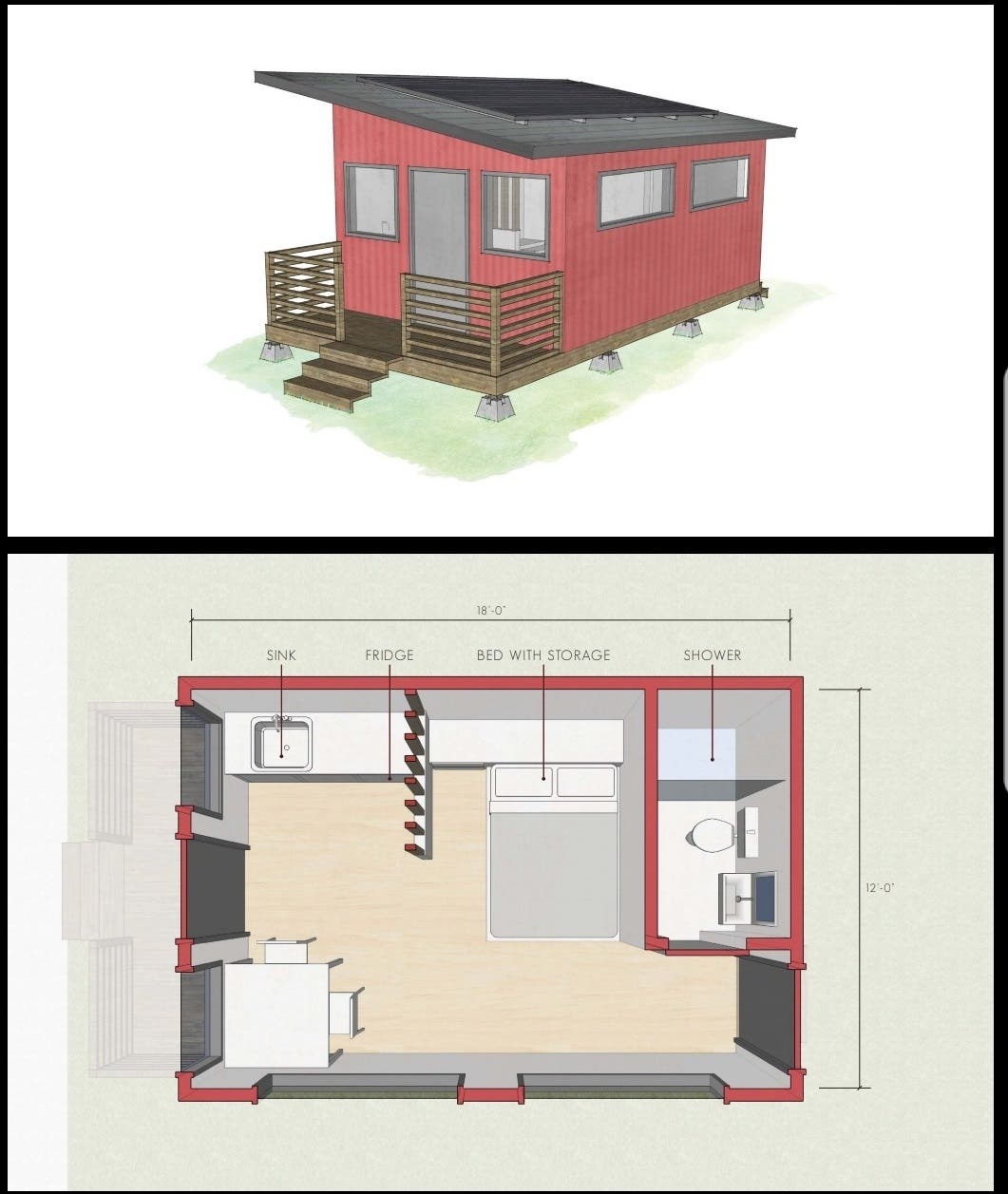
The bill, called the Tiny Home Pilot Program (S177/A3072) would set up a program designed to encourage municipalities to create a development of these so-called "tiny homes," houses of roughly 300 square feet. The aim is not only to create affordable housing — the bill would give municipalities two credits toward their affordable housing requirements for each unit built — but also, Rubel said, to help to create a sense of community, which she sees as a factor that must be addressed.
"It's about building a commnity for people who need support" regardless of their circumstances, Rubel said. "Veterans, for example. They had purpose in life" when they were serving in the military, and that sense of purpose can be lost when they leave the service. Others needing help are families, where job loss or health crises have cost them their homes.
The Senate bill is sponsored by Sen. Brian Stack of Hudson County, and its companion Assembly bill is sponsored by Assemblywoman Annette Quijano of Union County. The homes would be available to the "very low income," meaning those with an annual income of no more than 30 percent of the area median. The bill would spend $5 million in funds from the federal government or other sources over the three-year pilot and an annual report would assess the pilot's effectiveness in reducing homelessness and providing housing for those with very low incomes, according to an NJ Spotlight report.
Across New Jersey, 8,532 men, women and children were counted as homeless during the Point-in-Time Count in January 2017, according to New Jersey 211, the statewide utility assistance hotline that also serves as an information and resource line for the homeless in four North Jersey counties. Of those 8,532, 1,939 were children under the age of 18, with 977 children under the age of 5. Another 583 were veterans. Nearly half (46.2 percent) reported some kind of disability. A third had no income, and 13 percent said a job loss or loss of benefits contributed to becoming homeless, according to NJ 211.
Steve Brigham, the longtime homeless advocate who assists the community living in Howell, told of one woman who lives at the encampment with her children. They had come there because "this woman had spent her last dollar on the motel. She was desperate, and pleading for help. She had exhausted her options," he wrote. "She gets up at 6 in the morning, walks a quarter mile to the bus stop, works all day and comes home late. She works hard, but there is not a place for her and her family to live within her income bracket." (RELATED: Howell Homeless Encampment Land To Be Auctioned Off)
"This is really about creating housing that people can afford to live in regardless of their circumstances," Rubel said of the Tiny Home Pilot Program.
Rubel said part of the problem is the "not in my backyard" response so many have when talking about helping those who find themselves living on the street. That response has made towns balk at siting projects and at creating zoning that could allow for the tiny homes to be developed. A proposal by Ocean Inc. a few years ago to build an affordable housing project with 10 microhomes for veterans in Tuckerton was rejected after neighbors complained, NJ Spotlight reported.
"We have to change the language," Rubel said. "As long as we continue to say 'homeless' people will balk. It's so much about people not getting the concept."
Meanwhile, towns across the state — including Toms River and Howell — are facing mandates to build more housing for low- and moderate-income families, mandates that draw strong rebukes from town officials and residents alike. Toms River settled its affordable housing lawsuit with the state in late 2016, agreeing to build 1,285 units of housing. Howell has not yet reached a settlement with the state,
Rubel said the efforts to build more housing aren't addressing the deeper need — one that is part of why places like Tent City spring up: that sense of community.
"So many people need emotional support and love," Rubel said. "Housing alone doesn't do it."
That community is what saved the life of Ryan Payne. He is the 40-year-old homeless man living near the Toms River bus terminal who was injured when a tree fell on him during March 21 snowstorm. Payne told the Asbury Park Press that it was his fellow homeless residents at the site who contacted police when they could not life the tree off him.
Payne and others took shelter at various places during the Code Blue Alerts this winter, but advocates who spoke at the Toms River council meeting said those efforts are at best a patchwork of services that offer a very temporary reprieve.
"We build shelter for animals," Rosemary Vogel said. "Why can't we do it for people, too?"
Toms River officials pushed back against the insistence that the problem should be on the town's shoulders alone, instead saying Ocean County officials need to get involved.
Rubel, however, said the push of who's responsible misses the bigger picture.
"We build these apartments and stack people in tiny cubicles but we don't do anything to help them feel cared for," she said. And that means not shuffling people from one place to another, as happened when Lakewood shut down Tent City and paid for housing for a year for those who lived there. In Howell, the resolution to sell the Route 9 property where the encampment sits includes a stipulation that the buyer must help the homeless there relocate, but does not give any parameters. Township officials have said they will meet with Brigham to try to find a workable solution.
"A year of free housing doesn't cut it," Rubel said. "They have to start thinking outside the box."
She wants to see the bill pass and get one pilot program up and running "so people can see the difference this can make."
"We've got to make change," she said.
"The fact that we have such a term as affordable housing boggles my brain," Rubel said. "Shouldn't all housing be affordable?"
Here's what a tiny house layout would look like, Rubel said:
Photos by Sherry Rubel, published with permission
Get more local news delivered straight to your inbox. Sign up for free Patch newsletters and alerts.