Schools
School Aid Cuts Impact: Toms River Puts Referendum On Hold
As district officials wait and hope for emergency aid, needed repairs for aging buildings are being delayed. How long is uncertain.


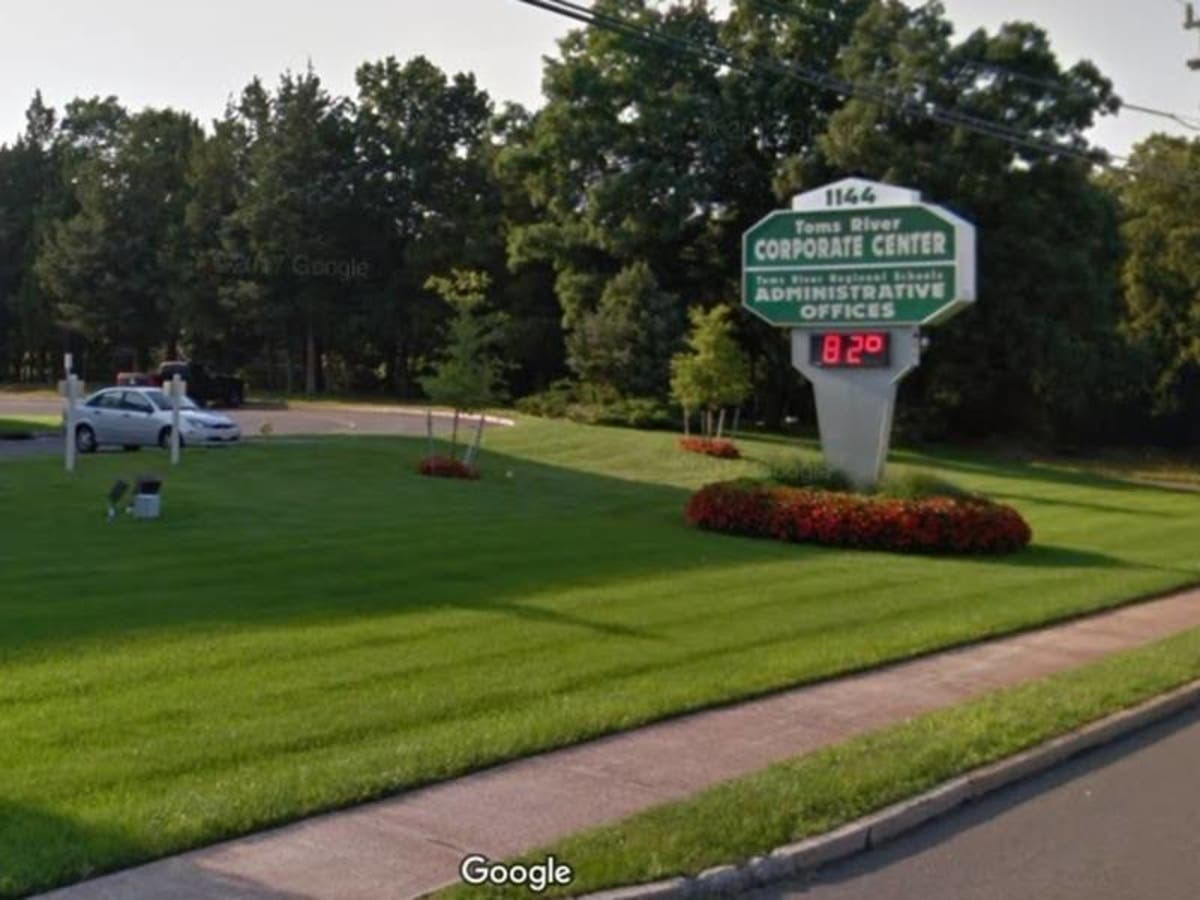
TOMS RIVER, NJ — As Toms River schools district officials continue to grapple with the potential impact of state aid cuts, the impact of those cuts is continuing to have a snowball effect on the district, as plans for a major building referendum have been shelved, at least temporarily.
"We haven't completely backed off, we're just waiting to see what happens," Russ Corby, the president of the Toms River Regional Board of Education, said of the board's decision to put the referendum on hold. "This is a very important issue for the future of the district."
The referendum originally was planned to go before voters in January 2019, to ask them to approve projects at the district's 18 schools that ranged from plumbing work and new doors to science lab upgrades and exterior wall repairs.
Find out what's happening in Toms Riverfor free with the latest updates from Patch.
"We had pared it to just under $100 million as the bond amount for 25 years," Corby said, a list arrived at after more than two years of work to determine the needs and weeks of public input, including meetings across the district last winter.
Then A2/S2 happened.
Find out what's happening in Toms Riverfor free with the latest updates from Patch.
The law signed in July by Gov. Phil Murphy and pushed by Senate President Steven Sweeney is stripping so-called adjustment aid from districts across the state — money Sweeney contends should have been taken away years ago, saying the districts receiving it are "overfunded" by the state. At the same time, the legislation requires school districts that are "under adequacy" — meaning they are not spending what the state has decided is the minimum per pupil to ensure a thorough and efficient education — to increase their school tax levy by 2 percent per year for the next seven years.
Toms River Superintendent David Healy and Business Administrator William Doering have repeatedly said — including in a video the district is circulating to staff and parents — Toms River has been under adequacy for several years, going back to the statewide cuts to school aid in 2010 under the Christie administration. And the district has worked hard to build up its programs, instituting full-day kindergarten and adding career and academic academies, while seeking out outside grants to help fund programs. (READ MORE: Toms River Schools' Video Urges Fight On Devastating Aid Cuts)
The district is the second-lowest in per-pupil spending in its group under data the district received this week, Healy said Wednesday, and yet it's being punished despite controlling its spending.
The cumulative effect of A2/S2 is expected to be a $70 million loss for the district over the seven years, and, unless it's changed, will result in hundreds of staffing cuts, program cuts and services cuts. The timing, Corby said, was simply bad.
"They (the state aid cut and the capital referendum) just happened to wind up on our plate in the same month," Corby said.
So when Board Vice President Joe Nardini suggested the board consider temporarily postponing the vote on the Rebuilding Our Schools initiative, other board members readily agreed, Corby said.
"If we are to make an error in this (referendum), we want to err on the side of caution," he said.
Postponing the referendum temporarily allows the district to focus on trying to get the state aid restored — an effort that has drawn significant support from the community — instead of fighting for two major financial initiatives at once. The district has submitted an application for emergency aid to the state Department of Education, but Doering said the district has not received an answer yet. Toms River's state aid was cut $2.3 million this year, a hole filled using reserves, but A2/S2 includes a $5 million cut for Toms River in 2019-2020. (READ MORE: Toms River Schools: Reserves Fill Hole, Devastating Cuts Loom)
"It we can get some (school aid) funding restored this year, that will give us some breathing room going into next year," Corby said.
In the meantime, the district is moving forward with $17.9 million in projects underway in the district through an ESIP — an Energy Savings Improvement Program, which pays for the work through the energy savings created by the improvements. The ESIP includes replacing boilers and chillers, some as much as 50 years old, at six schools, replacing lighting with energy-efficient LED lighting and ventilation work at four schools.
That, however, leaves millions of dollars in projects — $40 million worth were deemed high priority, district officials have said — waiting to be addressed.
The referendum was to include funding for
- heating, ventilation, and air conditioning (HVAC)
- door and window replacements
- improving accessibility through the Americans with Disabilities Act (ADA)
- safety and security upgrades
- school-based projects, like secondary science labs and elementary playgrounds
- parking lot and curbing repairs
"We have priorities that have to get done," Corby said. "The buildings aren't getting better by themselves." The boilers at Toms River High School South, for example, are 50 years old. "They're not going to wait another 50 years," he said.
Corby said one thing that must be explained better is the difference between the operating budget, which covers the day-to-day expenses of educating the 16,000 students in the Toms River Regional district, and the capital budget and capital expenditures, which focus on the buildings and structures of the district.
How much the referendum would have cost taxpayers is unclear. Doering said that because the board has put it on hold, the numbers in terms of the costs to bond for it had not been finalized.
One thing is certain: delaying the projects will result in increased costs as the prices of the materials, equipment and labor rise.
Corby said the community at large — parents, taxpayers, everyone affected by the project and its costs — needs to remember that years ago, the community as a whole shouldered the cost of building the schools that serve the current generation of students.
"Someone paid for those school buildings back then; now it's our generation's turn (to invest in the schools)," he said.
Click here to get Patch email notifications on this or other local news articles or get Patch breaking news alerts sent right to your phone with our new app. Download here. Have a news tip? Email karen.wall@patch.com
Follow us on Facebook. Click here to like our page.
Note: Article has been updated to correct that the boilers at Toms River South are 50 years old. The school originally named was incorrect; Patch regrets the error.
Photo via Google Maps
Get more local news delivered straight to your inbox. Sign up for free Patch newsletters and alerts.