Health & Fitness
These N.J. Areas Have More Psychiatric, Drug-Addiction Emergencies Than Ever, Study Says
Some N.J. areas have seen sizable increases in the number of emergency patients seeking treatment for a mental illness or an addiction.


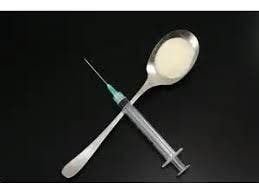
Some New Jersey areas have seen sizable increases in the number of emergency patients seeking treatment for a mental illness or an addiction, according to a new report.
The New Jersey Hospital Association released a report last week that shows the demand for behavioral health care has grown steadily in recent years — and most dramatically in the past two.
Indeed, the report shows that the distribution of psychiatric and addiction patients in the emergency department jumped by about 10 percent between the two most recent years available, 2014 and 2015.
Find out what's happening in Toms Riverfor free with the latest updates from Patch.
Related: 30 N.J. Towns With The Most Heroin Abuse, New Data Says
The increase was roughly less than half that between 2013 and 2014, and the patient number dropped from 2012 to 2013. The overall jump in patients since 2011 has been about 30 percent.
Find out what's happening in Toms Riverfor free with the latest updates from Patch.
Elizabeth Ryan, president and CEO of the association, said some areas have had much larger increases than others. But if one hospital is impacted, she said in the report, "it affects us all."
"Too often those in need are left to rely on emergency departments for care otherwise appropriate for community-based settings," she said. "Hospital emergency departments are safety nets for individuals unable to access care that otherwise may avert their need for a crisis visit or an inpatient admission."
Health care providers have become increasingly worried about the growing amount of drug usage in the state, which has seen increases in cases of heroin abuses in hundreds of towns.
The data in the report, she said, is intended to assist providers, policy makers and leaders in the field as they work "to design innovative practices to ensure individuals receive timely access to care."
Here is the list of counties that showed increases, from largest to smallest, between 2014 and 2015 (two counties showed declines in the number of psychiatric and addiction patients):
- Warren County 33.9 percent
- Sussex County 28.4 percent
- Middlesex County 26.9 percent
- Gloucester County 17.9 percent
- Camden County 17.7 percent
- Atlantic County 17.008 percent
- Ocean County 14.9 percent
- Salem County 12.9 percent
- Somerset County 12.4 percent
- Hudson County 11.04 percent
- Bergen County 9.05 percent
- Morris County 8.4 percent
- Union County 6.8 percent
- Essex County 6.7 percent
- Hunterdon County 6.3 percent
- Cumberland County 4.4 percent
- Monmouth County 4.2 percent
- Burlington County 2.1 percent
- Cape May County 0.9 percent
- Passaic County -5.8 percent
- Mercer County -6.1 percent
Read more from the report by clicking right here.
Patch file photos
Get more local news delivered straight to your inbox. Sign up for free Patch newsletters and alerts.