Schools
Toms River, Israeli Students Collaborate On Mosquito Research
The students are collaborating via the internet, studying a bacteria that slows how they spread serious viruses.


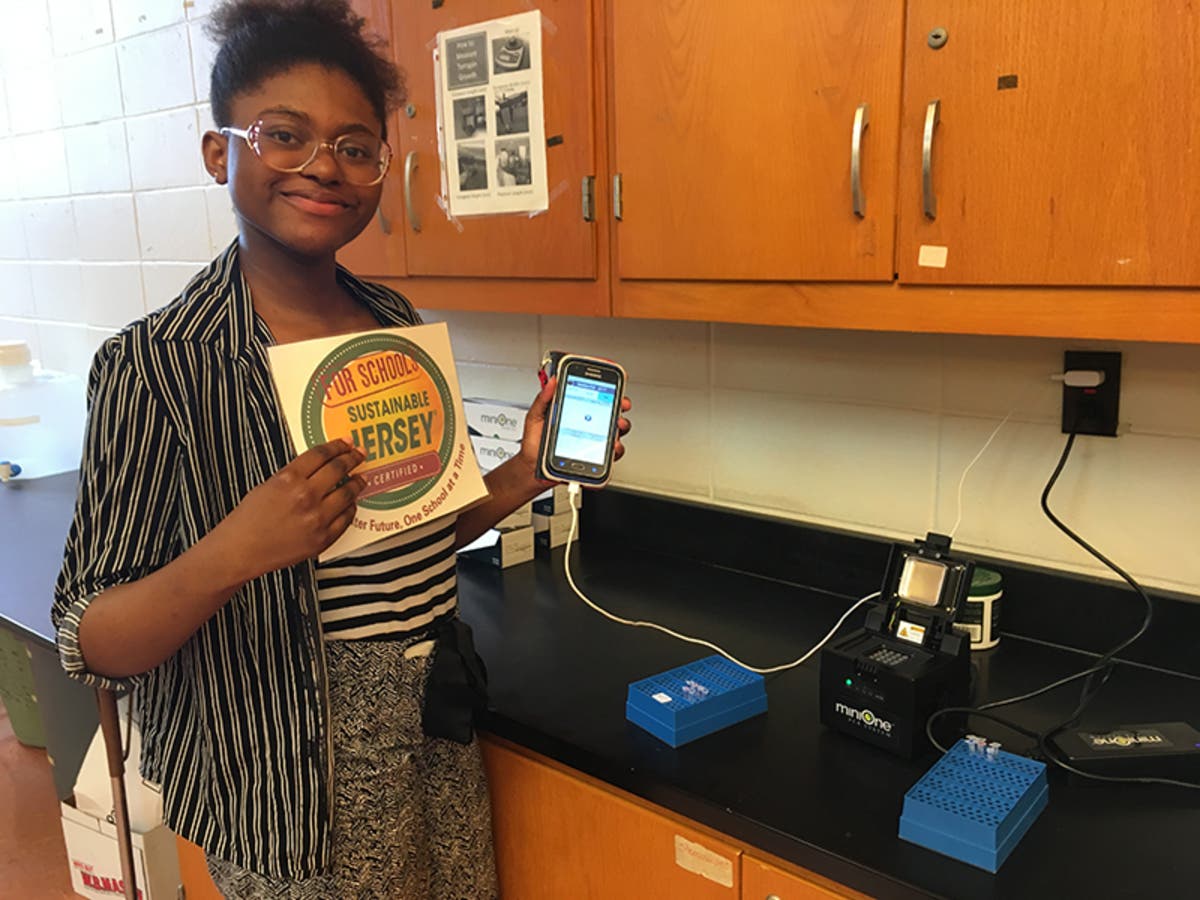


TOMS RIVER, NJ — A group of Toms River students will be collaborating with a group of Israeli students to study a bacteria that affect the ability of mosquitoes to reproduce and pass on deadly diseases.
The Toms River students, part of the authentic science research program in the Toms River Regional Schools, will be sharing data on the frequency of the Wolbachia bacteria in local mosquito populations with the students in Israel, who will share similar data from their area.
"Wolbachia is a bacterium that lives within arthropods (insects, spiders, crustaceans) and filarial nematodes," a news release from the Toms River schools said. In mosquitos, when male mosquitos infected with Wolbachia mate with female mosquitos that are not infected, a high percentage of the eggs do not hatch. Additionally, infected female mosquitoes are unable to pass on dengue fever or Zika to humans, the release said.
Find out what's happening in Toms Riverfor free with the latest updates from Patch.
Dengue (pronounced DENgee) fever is a painful, debilitating mosquito-borne disease caused by any one of four closely related dengue viruses. These viruses are related to the viruses that cause West Nile infection and yellow fever. Dengee can be fatal, according to WebMD.
Scientists have successfully released Wolbachia-infected mosquitoes in Townsville, Queensland, Australia, eliminating dengue in Townsville for the first time. The town averages 13 dengue cases a year and has not had any cases of dengue since the Wolbachia release.
Find out what's happening in Toms Riverfor free with the latest updates from Patch.
Christine Girtain, the Toms River Schools' director of Authentic Science Research led authentic science research students and STEAM Academy students in a three-day summer workshop to learn biotech skills while studying Wolbachia. The workshop was funded by a grant from the New Jersey Education Association and Sustainable Jersey for Schools.
"I feel it is important to engage students in collaboration investigating sustainable solutions to real world problems," Girtain said. "Students who engage in early exposure to biotech lab skills and national and international partnerships increase their chances of having successful careers in STEM."
Mosquito samples collected from multiple sites in Ocean County were supplied by Jessica Keen and Mike Senyk from the Ocean County Mosquito Commission, who taught the students how to determine the species of each of the mosquito samples and discussed sustainable practices for controlling mosquito populations in New Jersey.
Students isolated DNA sequences from Ocean County mosquitoes. Christiana Ntim (ASR) and Julian Saar (STEAM Academy) found evidence that one of their mosquito samples was infected with Wolbachia, the district said. Vanderbilt University also is assisting with the project.
Christiana Ntim will be looking at the frequency of Wolbachia and West Nile in mosquito samples from Ocean County. Christiana will be collaborating with Bordenstein Lab at Vanderbilt University and students in Israel as a part of the Bio-Research On The Network program in Israel. Girtain and Dr. Pirchi Waksman from Bar-Ilan University in Israel met while being trained at UMASS Amherst over the summer while doing biotech training with MassBioEd.
Bio-research is a research project that combines the study of biology and the acquisition of 21st century skills of cooperative learning, internet-based technological tools and a virtual learning platform.
In Bio-research, students of an Israeli school (11th-12th grade) and students from schools abroad will collaborate in their research, guided by their respective biology/research teacher. For the Israeli students this research is a component in their advanced level matriculation. For the Toms River students it is a part of their Authentic Science Research course.
The main objectives of the project are the development of different skills such as the ability to investigate and understand a biological problem, critical and creative thinking, cooperative learning between students and teachers, learning during the inquiry process.
The virtual learning platform is used to build a learning community of teachers and students over the web. Teams will summarize their findings and conclusions in a scientific poster. An oral examination via video conference will take place at the end of the project, the district said.
Click here to get Patch email notifications on this or other local news articles or get Patch breaking news alerts sent right to your phone with our app. Download here. Have a news tip? Email karen.wall@patch.com
Follow us on Facebook. Click here to like our page.
Photos: Christiana Ntim will be looking at the frequency of Wolbachia and West Nile in mosquito samples from Ocean County. 2. Toms River Regional Schools students participating in the project include Somyia Elbready, Ashley Ababio, Josh Girtain, and Olivia Duell. 3. Wolbachia is represented by the light white band measuring 438 base pairs in inthe IN1 lane of the gel. The 708bp band indicates the DNA sample was from an insect. Photos provided by the Toms River Regional Schools
Get more local news delivered straight to your inbox. Sign up for free Patch newsletters and alerts.