Health & Fitness
Got Fleas?
Veterinarians in our area have seen a significant increase in flea-infested pests this year and last.
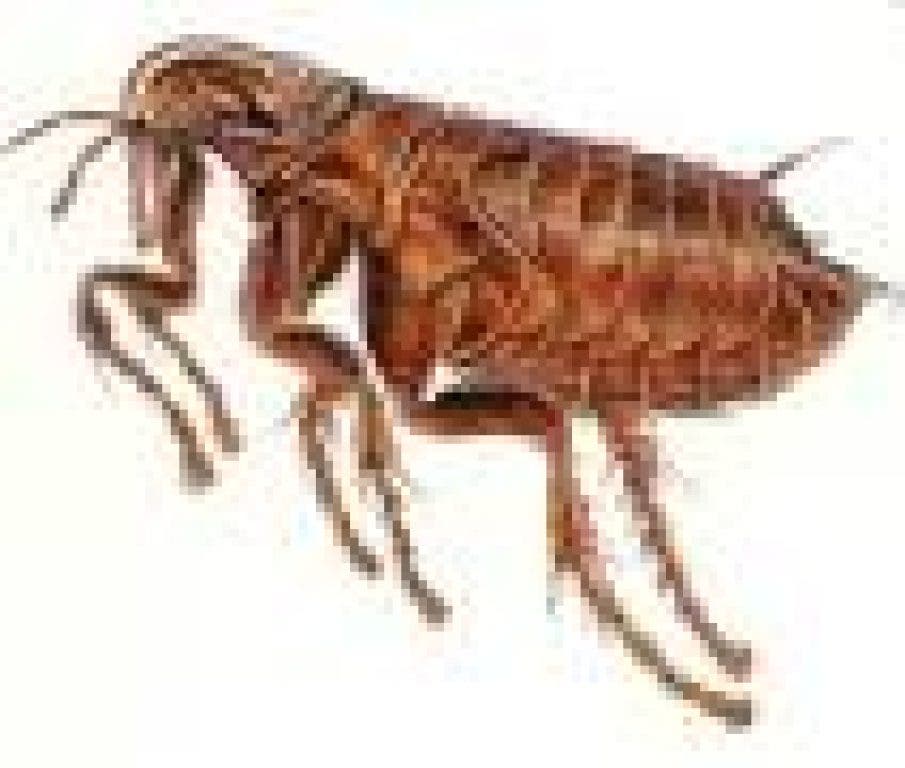
Veterinarians in our area have seen a significant increase in flea-infested pests this year and last. The flea's ability to adapt and become resistant to some of the flea prevention products may be one reason. Another may be the warm weather and the increase in backyard wildlife populations that can serve as hosts. This year with the early spring may be even worse, so prevention is the best defense.
Fleas are a concern because they can seriously harm our pets. Flea bites can create a severe dermatitis if your pets are allergic. These parasites can suck enough blood to cause anemia. This can be life-threatening in debilitated pets or young puppies and kittens. In addition, fleas can transmit the causative agents of Feline Infectious Anemia, Cat Scratch Fever and tapeworm infestation.
Like most insects, fleas have a complex life cycle. Understanding this cycle allows us to better target control measures. The first stage in the cycle is the egg. Female fleas lay up to 40 eggs per day, which fall off the host to hatch in the enviroment. About one-third of the population of fleas in a home is in this stage.
Find out what's happening in Tri-Borofor free with the latest updates from Patch.
Almost sixty percent of a home's flea population is in the next stage--the larval stage. Flea larvae are similar to tiny caterpillars and can be found in soil, carpeting, and in the cracks of hardwood floors. The third stage involves the flea larvae spinning a cocoon and turning into adult fleas. These flea pupae can remain dormant for many months. At the right time, they will emerge as adult fleas and find a host to feed on. These adult fleas can live for months without a blood meal making an infestation difficult to control.
The best way to eliminate a flea problem is by targeting both the adult and immature stages. Choosing a product can be confusing because of the large number of flea products available, the development of resistance, and the potential for toxicity to the pet. Make sure you follow the manufacturer's instructions carefully and only use the product on the age and type of animal (dog or cat) specified. Contact your veterinarian if you have any questions. They will be able to answer any concerns you might have and can often provide you with products supported by an actual guarantee of effectiveness.