Politics & Government
Pipeline Company Says No Plans For 2nd Compressor In Essex County
Williams/Transco says it isn't proposing to build a 2nd compressor station in Essex County, only increase the horsepower at the current one.


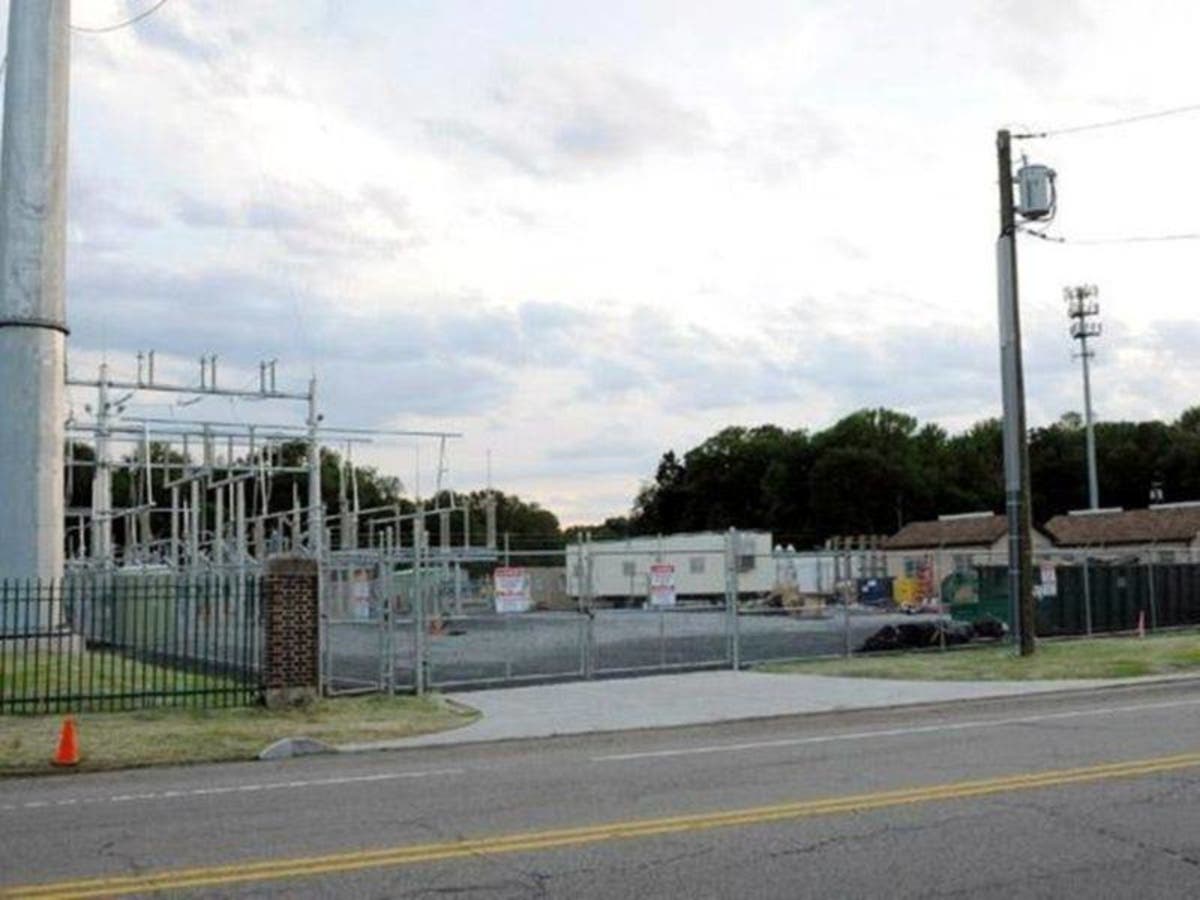
ESSEX COUNTY, NJ — When Williams/Transco built a natural gas compressor station on Eagle Rock Avenue in Roseland – just a short walk from the Essex County Environmental Center – it set off waves of protest from local activists and government officials that lasted for years.
But the energy giant says that activists’ latest claims about its alleged plans to build a second station at the same location aren’t accurate.
“We are not proposing to build another gas compressor station,” said Chris Stockton, a media relations spokesperson for Williams, the company which owns and operates the Transco pipeline system in New Jersey.
Find out what's happening in Verona-Cedar Grovefor free with the latest updates from Patch.
Stockton said that some of the claims made in Essex County Executive Joseph DiVincenzo’s recent letter to the New Jersey Department of Environmental Protection (NJDEP) are “being twisted to make the impact seem greater,” including the allegation that the company wants to build a second compressor station in Roseland.
- See related article: Proposed Pipeline Station Blasted By Essex County Official
“In reality the proposed project simply adds horsepower to the existing facility,” Stockton said. “This is an important distinction to make, both from a construction and permitting perspective.”
Find out what's happening in Verona-Cedar Grovefor free with the latest updates from Patch.
In his letter, DiVincenzo blasted a “proposal by Williams/Transco to construct a second gas compressor station at their site on Eagle Rock Avenue in Roseland.”
DiVincenzo urged the NJDEP to reject Williams/Transco's application for a Freshwater Wetlands Permit. Speaking in concert with the Borough of Roseland, Roseland Against the Compressor Station, NJ Sierra Club, Food and Water Watch, 350 NJ and Essex Greens Renewable Energy Campaign, the county executive also demanded a public hearing be held so the community can share their concerns about the compressor station site and the proposed expansion.
“There is great mistrust and fear in the community,” he told the NJDEP.
Stockton provided several replies to allegations put forth in DiVincenzo’s letter and activists' social media posts. Read his statements below.
NO SECOND STATION – “The company is not proposing to ‘build a new natural gas compressor station.’ We are proposing to enhance the existing facility by adding horsepower to the existing station. It is also important to note ‘why’ this proposal is necessary. We provide service to utility companies in the area, delivering half of NJ’s natural gas. This project has been designed to provide additional natural service to two northeast utility companies – PSE&G Power and UGI Energy Service. The project minimizes impacts to landowners and the environment by increasing the utilization of existing pipeline infrastructure, rather than constructing new greenfield pipe. Virtually all of the project activities are within existing rights of way and/or property boundaries.”
INCREASING HORSEPOWER – “Increasing the horsepower does not create additional risk, and does not decrease the effectiveness of the existing safety systems which are in place to ensure the facility continues to operate safely and reliably. It is worth noting that the pipe in this area consists of both Class 3 and 4 pipe, which is the highest pipeline design class standard established by U.S. DOT code.”
SAFETY RECORD – “We currently operate five compressor facilities in NJ. We have been operating them safely without any serious incidents for decades.”
IS ‘FRACKING’ INVOLVED? – “This is an over-simplification. Virtually all of the natural gas consumed in the Northeast, whether through the Transco system or any other pipeline system, was likely produced using hydraulic fracturing. As a result, Northeast consumers are able to access some of the most abundant, cost-effective natural gas supplies in the entire world.”
WILL THERE BE ‘TOXIC POLLUTION?’ – “This is a blatantly false statement. The Roseland compressor station utilizes an electric motor to drive the natural gas compressor units. These motors use electricity to generate the necessary power for natural gas pipeline compression, and therefore will not generate emissions and would certainly not result in ‘toxic’ pollution.”
WHAT ABOUT PIPELINE SAFETY? – “This steel pipe is approximately ½-inch thick and has been safely pressure tested. It is the highest pipeline design class standard established by U.S. DOT code. This section of pipe operates and will continue to operate at far less than its original maximum design pressure. The pipe is monitored 24/7 and regularly tested to validate its integrity.”
ENVIRONMENTAL TESTING – “FERC is conducting an environmental assessment (not Williams). The requirements for the environmental assessment are robust and extensive, and cannot be characterized as ‘bare minimum.’”
Learn more about posting announcements or events to your local Patch site here. Send local news tips and correction requests to eric.kiefer@patch.com
Get more local news delivered straight to your inbox. Sign up for free Patch newsletters and alerts.