Schools
Mold Spores Detected In 2 Wall Classroom Trailers
The school board has scheduled a special meeting for Tuesday to discuss the trailers and the district's next steps.


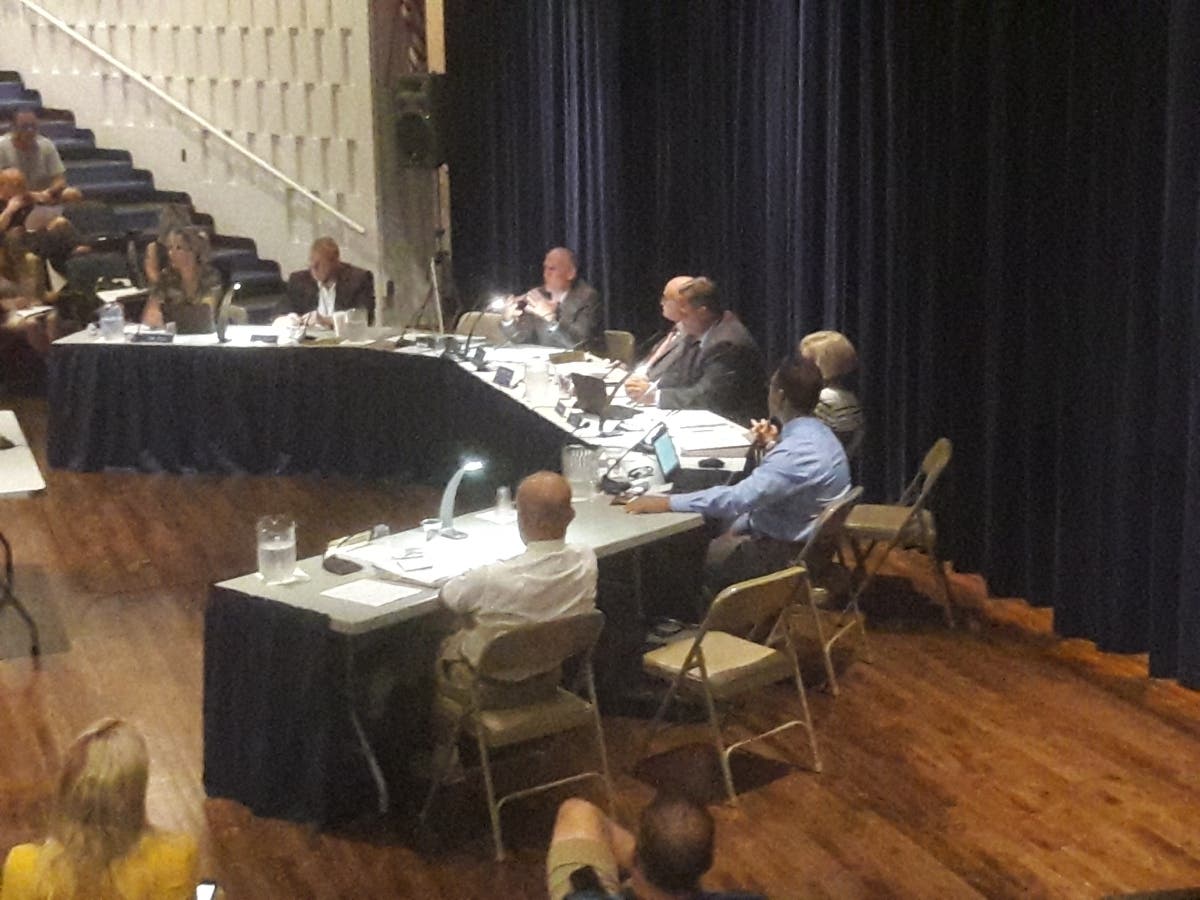
WALL, NJ — The Wall Township Board of Education has scheduled a special meeting for Tuesday, Aug. 27 to discuss its options after high levels of mold spores were detected in two of four classroom trailers at Central Elementary School.
Repair work on the trailers was halted Tuesday evening by the school board amid public outcry over the condition of the trailers, which had been used for classroom space since they were installed in 2007.
The trailers were scheduled for repairs this summer, with the district budgeting about $38,000 for what initially was anticipated to be the replacement of some of the wood and the addition of vinyl siding to the trailers, district business administrator Brian Smyth said at Tuesday's board meeting.
Find out what's happening in Wallfor free with the latest updates from Patch.
But issues with the first company that was going to do the repairs led to a delay in the work, which finally began Aug. 15. As contractors began removing the existing wood siding, they discovered the needed repairs were more extensive, Smyth said.
Parents who got wind of the extensive damage, which included rotting floor joists, took photos and shared them on social media, which led to a firestorm of criticism.
Find out what's happening in Wallfor free with the latest updates from Patch.
Fifth-grade students were supposed to have their classes in the trailers when school opens on Sept. 5, but that was plan was scrapped and those students' classrooms will now be in the main building.
Superintendent Cheryl Dyer said the four classes were accommodated by shifting other staff. The Spanish teacher will now travel from classroom to classroom instead of having her own room. Three reading intervention teachers, a math intervention teacher and the gifted and talented teacher also will be sharing spaces and using other areas, including the media center, for their work with students, which freed up two more rooms. The fourth room was freed up by moving an administrator, who will now share space with another administrator, Dyer said.
Smyth said the trailers were purchased and installed for $350,000. He did not have an estimate of what new trailers might cost to purchase and install on concrete slabs, rather than sitting on cinderblocks the way the current ones exist.
The trailers were meant to be temporary, Dyer said, and cautioned that replacing the trailers would require receiving approval from the state Department of Education, which is not guaranteed.
"Is this cost effective?" asked Ralph Addonizio, who was voted in as the board's new president Tuesday night. "At what point is it not worth putting more money in?"
The mold spore findings may have answered that question. Mold remediation in classrooms has cost other districts more than $100,000.
The test results reported by Partner Engineering and Science of Eatontown, showed 6,580 spores of cladosporium per cubic meter of air in Trailer 1, triple the level detected in the air outside the trailer, according to the report by Brian Nemetz, technical director of industrial hygiene services, health & safety services.
Cladosporium is a mold that can cause allergies and asthma, according to the website Medical News Today. Spores from the mold can be airborne, which is also how the mold spreads.
There also were elevated levels of Pithomyces in Trailer 1, according to the report, with 200 inside compared with 40 in the outside air. Trailer 1 also showed the most deterioration and had been the focus of complaints about ants in the classroom, parents said at the board meeting.
Trailer 3, meanwhile, had high levels of Chaetomium (200 per cubic meter, and not detected outside) and Stachybotrys/Memnoniella (40 per cubic meter and not detected outside) both of which can cause health issues, according to the CDC.
Nemetz's report said there was a musty smell in some of the trailers but they could not find where the water had gotten into them.
"Based on these findings, Partner recommends the following actions:
- Conduct a through building envelope assessment and take remedial action to seal the building envelope if any deficiencies are noted according to applicable industry and governmental guidelines/requirements. This should include an engineering study of the space.
- Replace or remediate rotted wooden supports and siding according to applicable industry and governmental guidelines/requirements.
- A further inspection of the interior sections of the walls should be completed to ensure there is not a hidden fungal reservoir. As part of this, further remediation efforts my be required.
- Inspect the HVAC equipment to ensure proper operation and cleanliness.
- Upon completion of all remediation efforts, conduct a post-remediation investigation to determine if any additional moisture and or microbial damaged building materials remains.
The full report is on the district's website.
Tuesday's special meeting in the auditorium at Wall Intermediate School is scheduled for 7 p.m.
Have a news tip? Email karen.wall@patch.com Follow Wall Patch on Facebook.
Get more local news delivered straight to your inbox. Sign up for free Patch newsletters and alerts.