Neighbor News
Plantar Fasciitis Explained
Learn what Plantar Fasciitis is all about w/ Dr. Bill. MPR is a multi-disciplinary holistic facility located in Wall Township & Shrewsbury.

Written by: William Walsh, D.C.
We’ve all heard of plantar fasciitis, after all, 3 million people suffer every year from the condition, but what the heck is it?
Simply put, “plantar fasciitis,” is inflammation of the “plantar fascia.”
Find out what's happening in Wallfor free with the latest updates from Patch.
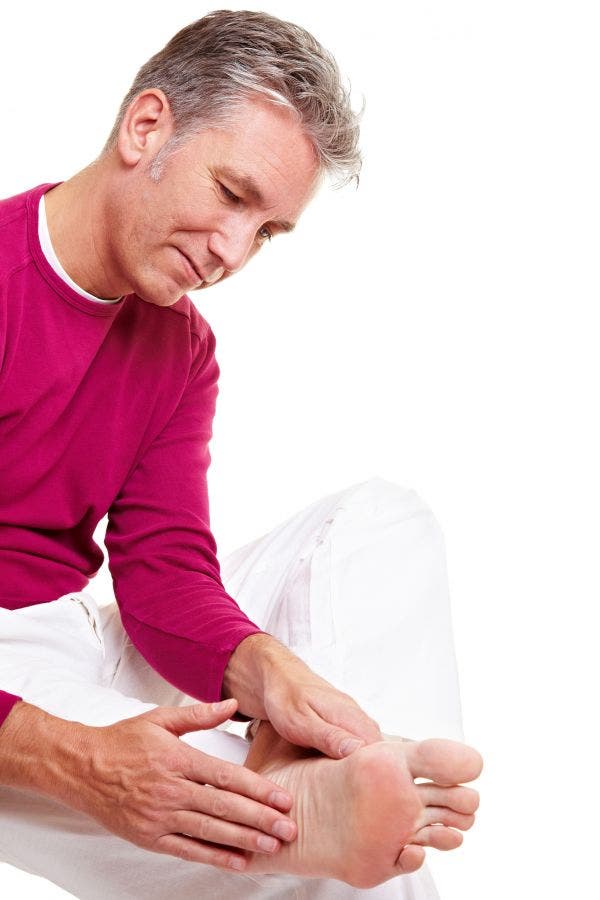
The plantar fascia is a ligament that starts at the heel, runs through the arch of your foot, and attaches at the base of your toes. When this ligament becomes inflamed, it causes pain at the heel where it originates.
The plantar fascia can become inflamed if it is stretched out or too much pressure has been placed upon it over a long period of time. Certain things can contribute to plantar fasciitis, including:
Find out what's happening in Wallfor free with the latest updates from Patch.
***Being over weight – this puts extra stress on MANY parts of the body, including your plantar fascia.
***Non-supportive footwear – I know flip-flops are great in the summer, but footwear like this provide no arch support. This leaves your plantar fascia vulnerable to additional stress.
***Biomechanical Imbalances – Your hips not being balanced can cause more than low back pain, as we should know, the whole body is connected. An imbalance of your hips will put more stress on one leg/foot. The average American takes about 6,000 steps per day. That is A LOT of additional stress on one of your plantar fascia!
***Occupations that keep you on your feet – Teachers, hairdressers, mail carriers, retail employees… being on your feet for hours obviously puts stress on your plantar fascia.
***Tight muscles – Your achilles tendon attaches to the back of the heel. If this is tight, it may rotate the heel just enough to put additional stress on the plantar fascia which attaches at the front of the heel.
So what can you do?
The first step is to have supportive footwear. The amount you wear flats and flip-flops should be limited. Next, stretch the muscles of your lower legs, specifically the calf muscle. Finally, getting regular adjustments will help eliminate mechanical imbalances.
If you suspect you have plantar fasciitis, don’t hesitate to call Monmouth Pain and Rehab for a professional evaluation. Our practitioners are trained in understanding the cause of your symptoms and making the proper corrections at the source of the problem. To request a free consultation ($245 value) fill out the form on www.MonmouthPain.com or call 732-345-1377.