Health & Fitness
Lung Cancer Screenings Help to Save Lives: Screenings Now Available to More People In Need, Due to Recent Medicare Ruling
November is Lung Cancer Awareness Month

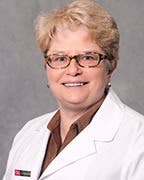
By Robin Lucas MD, FACP, FCCP Critical Care Specialist and Pulmonologist at Robert Wood Johnson University Hospital Somerset
November is often referred to as the month of giving thanks, due to Thanksgiving, but did you know that it is also designated as National Lung Cancer Awareness Month? The month of November brings lung cancer into focus, helping to increase peoples’ understanding of the disease, its prevalence, risk factors, signs and symptoms, treatment options, and approaches to screening, early detection and prevention. The statistics are alarming – lung cancer is the leading cause of cancer deaths, claiming more lives than colorectal, breast and pancreatic cancers combined, with approximately 159,260 deaths in 2014 alone. However, despite its prevalence, education, funding and awareness are still low.
The survival rate after a late diagnosis is very dismal and according to the American Cancer Society, five year survival rates can be as low as a 15 percent. That is why it is vital to be educated on the risk factors of lung cancer, and help reduce your and your loved ones’ risk of developing the disease. Becoming familiar and mindful of the signs and symptoms of lung cancer – such as coughing, infections, trouble breathing, pain from breathing, swelling and weakness – is also important in order to be diagnosed at the earliest, most treatable stages.
Find out what's happening in Watchung-Green Brookfor free with the latest updates from Patch.
By now it should come as no surprise that smoking is the leading cause of lung cancer, and staying away from tobacco is the smartest choice we can make to avoid getting diagnosed with lung cancer. But did you know that there are other factors that can greatly increase your risk? Thousands of people who have never smoked a cigarette a day in their life are suffering from the disease. Exposure to secondhand smoke is extremely harmful, in addition to exposure to radon gas in the air that you breathe. Breathing in polluted air regularly and/or workplace exposure to asbestos and other substances including arsenic, chromium and nickel, can also increase your risk. Family history is another factor that should not be ignored. People who have unhealthy lifestyles with a diet low in fruits and vegetables and consistent pill supplement intake that contains beta-carotene, are also at heightened risk.
The good news is that screenings with low-dose computed tomography (CT) are available and recommended for people who are at high-risk. The goal of lung cancer screenings is to increase the number of lung cancers diagnosed at an early stage, and to reduce the time between a lung cancer diagnosis and the start of the treatment. Such screening has been shown to reduce lung cancer mortality by at least 20%.
Find out what's happening in Watchung-Green Brookfor free with the latest updates from Patch.
Earlier this month, the federal government announced that Medicare will now cover annual lung cancer screenings for older Americans with extended histories of heavy smoking, projecting to cover an estimated four million people. Medicare beneficiaries up to age 74 who smoked at least a pack a day for 30 years will receive CT scans at no charge. Previously a barrier for older Americans, the decision made by the Centers for Medicare and Medicaid Services validates the importance and effectiveness of lung cancer screening, and will help to save lives.
Lung Cancer Awareness Month offers a great opportunity for you to get involved in community awareness events and familiarize yourself with the programs and screenings offered at your local hospital aimed at the prevention and early detection of lung cancer. When identified early enough, lung cancer has been shown to be up to 90% curable, so make the time to talk to your physician about healthy lifestyle changes you can make to reduce your risk and take advantage of preventative services and screening programs if you are at risk. Be proactive in your lung health now, before it’s too late.
For more information, please visit www.rwjuh.edu or call 1-888-MD-RWJUH.