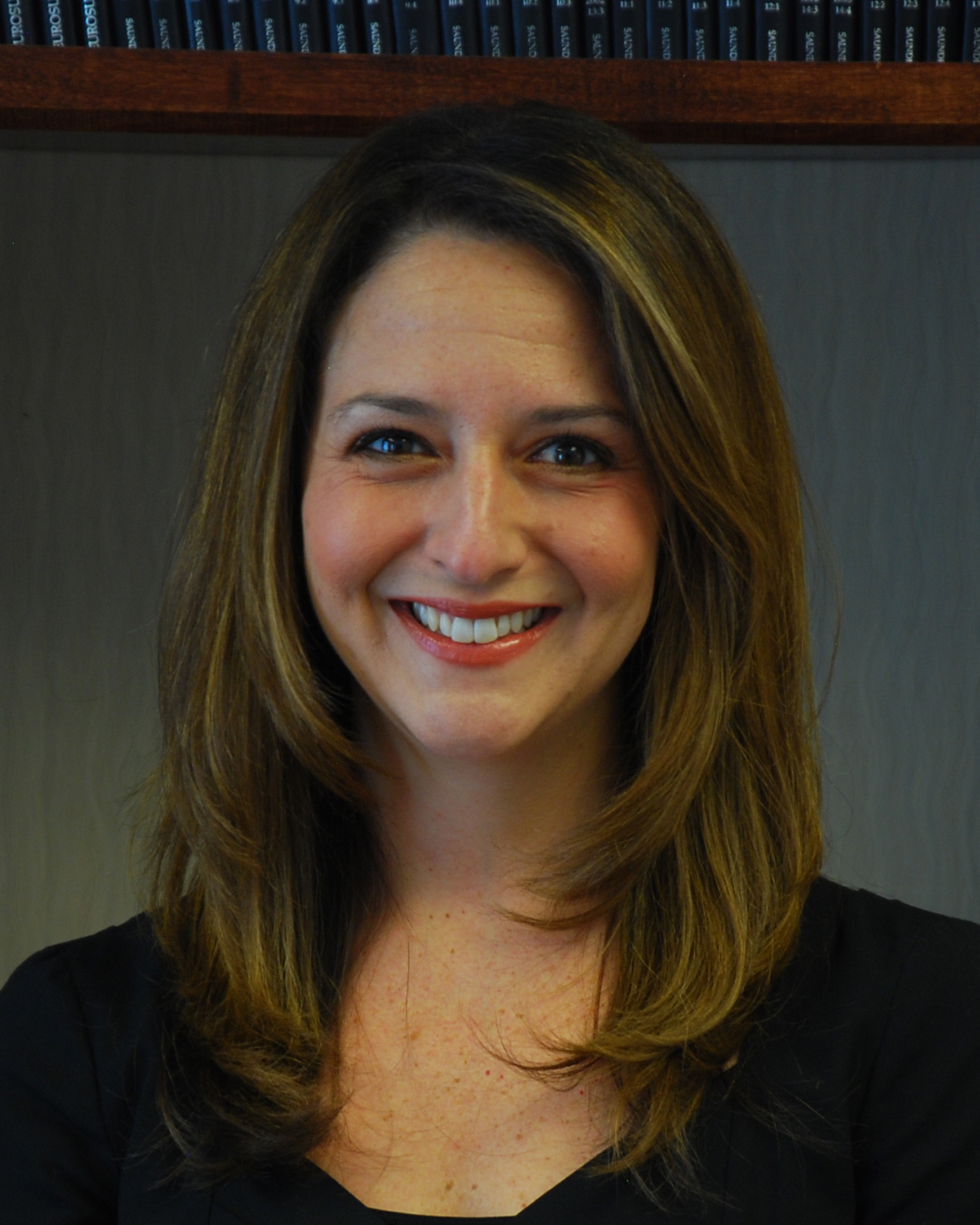
Dr. Angela Glasnapp, bariatric surgeon at Somerset Medical Center
We are at a time when the impact of obesity has risen to new levels of public consciousness. In recent months, we've seen the media storm over the news that Gov. Chris Christie underwent Lap-Band surgery to treat his obesity. On Tuesday, June 18th, the American Medical Association, the nation’s largest physician group, reclassified obesity as a disease. Hopes are high that this latest move will turn the tide to improve patients’ access to obesity treatments. So it’s important to understand what surgical options are available and what makes most sense for your individual health goals and lifestyle.
People who’ve struggled with weight issues their entire lives know there are no simple solutions. Weight loss surgery requires patience, motivation and commitment to lifestyle changes, but it can also provide sustained weight loss when conventional diet and exercise alone have failed. Study after study has shown that bariatric surgery is among the best tools available for obese people to improve their health and quality of life.
Find out what's happening in Watchung-Green Brookfor free with the latest updates from Patch.
The three most common procedures are the gastric bypass, the gastric band and the sleeve gastrectomy. These procedures are typically done laparoscopically, meaning the surgeon makes four or five small incisions in the abdomen. Patients must have a Body Mass Index (BMI) of 40, making them about 100 pounds or more overweight, or a BMI of 35 with a significant obesity-related illness such as diabetes.
During the gastric bypass, the surgeon staples off a section of the stomach to create a smaller pouch that holds about a quarter cup of food. The pouch is then connected to a lower portion of the intestine, allowing food to bypass a portion of the digestive tract. The resulting weight loss comes from the patient feeling a sense of fullness quicker. In addition, the food goes directly from the stomach to the lower portion of the intestine so fewer calories are absorbed. Patients can expect to lose about 3-5 pounds per week with a total weight loss of about 70% of their excess weight within the first year. That means a weight loss of about 70 pounds for a person who is 100 pounds overweight.
Find out what's happening in Watchung-Green Brookfor free with the latest updates from Patch.
During the gastric sleeve, the surgeon removes a section of the stomach. The remaining stomach is the size and shape of a banana and can hold about a cup of food. This procedure results in the patient feeling full after consuming less and also in the secretion of fewer hunger hormones. Patients can expect to lose 65% percent of their excess body weight after 18 months.
The LAP-BAND surgery is the least invasive of the three procedures because there is no alteration made to the digestive tract. The surgeon fits a band around the patient’s stomach, creating an upper pouch and a lower portion of the stomach. The band can then be tightened in a simple in-office procedure where saline is inserted into the band through a port just under the patient’s skin. Filling the band narrows the opening between the upper pouch and the stomach so food stays in the upper pouch longer. Patients feel fuller on a smaller amount of food. Patients can expect to lose about 50% of their excess body weight as a result of this procedure.
Each of these procedures has been proven safe and effective in helping patients’ achieve their weight loss goals and improving their overall health and well-being. If you are severely overweight, consider consulting a bariatric surgeon to determine what solutions would work best for you.