Health & Fitness
Is Drinking Alcohol Such a Big Deal? You Decide…
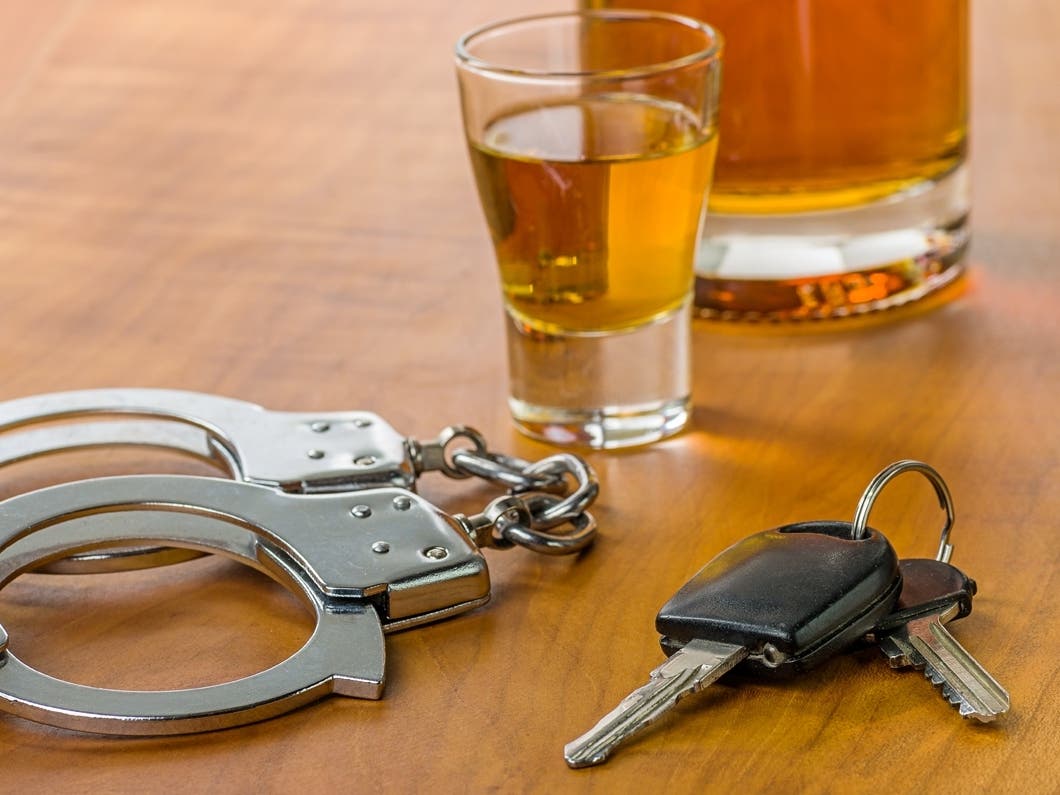
Do 'inconveniences' take the fun out of drinking?

Current news tell us we are living in a deadly opioid overdose epidemic with unfortunate addictions rising from prescription medications or recreational experimentation.
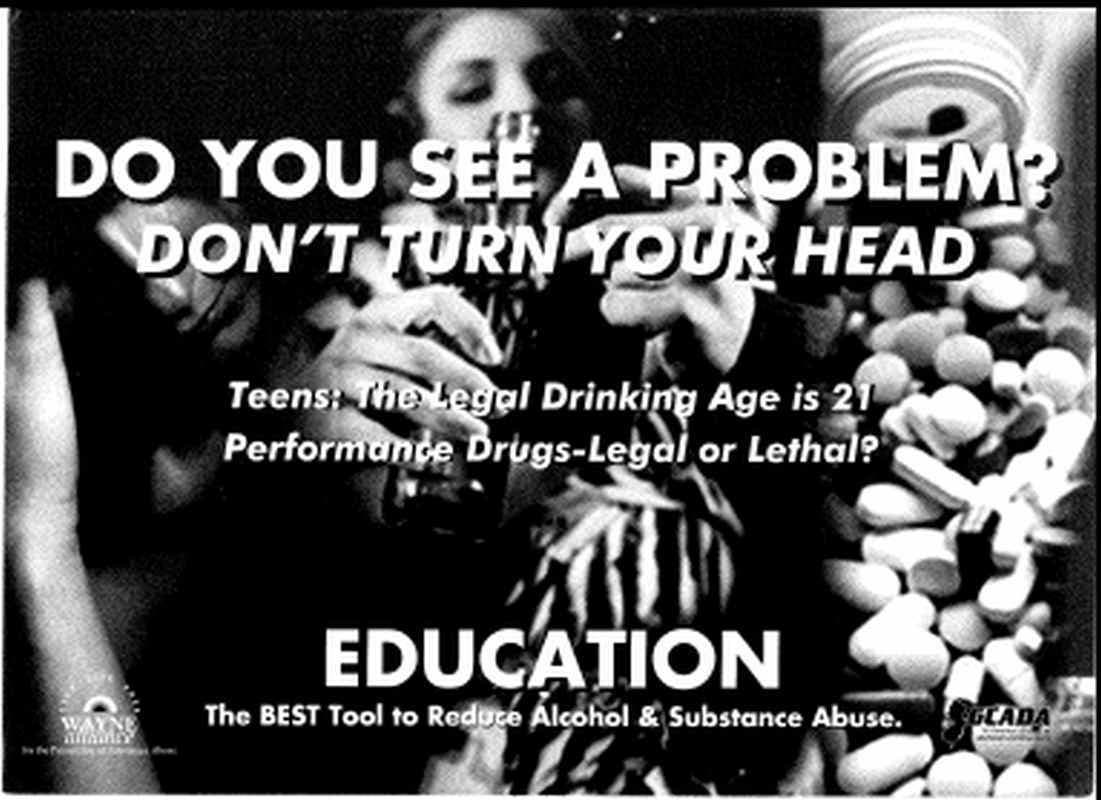
However, what we don’t hear enough about is alcohol and how deadly it is or how early use can change one’s life forever. Known as a legal, socially acceptable form of reducing inhibitions and relaxation, alcohol can actually be more lethal than all other drugs.
An estimated 88,000 people (approximately 62,000 men and 26,000 women) die from alcohol-related causes annually, making alcohol the third leading preventable cause of death in the United States. The first is tobacco, and the second is poor diet and physical inactivity. (According to a study by the National Institute on Alcohol Abuse and Alcoholism).
Find out what's happening in Waynefor free with the latest updates from Patch.
Alcohol not only hurts community members individually, but the dangers effect the entire community from on-the-job injuries, car accidents, violence, and other complications. In addition, when folks are out enjoying alcohol at a venue, the very person responsible to prevent overserving their guests is the bartender who directly benefits from the act of consumption. So, it becomes very easy to over indulge in this environment.
The Substance Abuse and Mental Health Services Administration (SAMHSA), which conducts the annual National Survey on Drug Use and Health (NSDUH), defines binge drinking as 5 or more alcoholic drinks for males or 4 or more alcoholic drinks for females on at least 1 day in the past month. Like to indulge during Happy Hour and on weekends? You may be considered a heavy drinker. SAMHSA defines heavy alcohol use as binge drinking on 5 or more days in the past month.
Find out what's happening in Waynefor free with the latest updates from Patch.
Even moderate drinking, known to cause several conditions that can slowly weaken the body’s organs and their ability to use nutrients, may result in cancers or other illnesses such as liver disease or breast, colon and esophageal cancers. According to the American Cancer Society, alcohol may cause low levels of folate (Vitamin B9) which may play a role in the risk of some cancers, such as breast and colorectal cancer.
Many people would be surprised to learn that that more people enter into treatment for alcohol misuse than any other drug. Whether there were undiagnosed or untreated mental predispositions (anxiety, ADD, ADHD, depression, eating disorders, etc.) binging or self-medication can unintentionally lead to addiction.
Long-term issues seem so far away to consider and living a healthy lifestyle is not a guarantee of longevity. Even if some will only suffer ‘inconveniences’ like a fender bender that they cause or find themselves a victim, we still see parents turning the other way when their teens drink or worse yet, participate in their ability to illegally purchase or consume alcohol under the age of 21. The trouble with that, other than the legal aspect, is that all drugs, including marijuana and alcohol consumed before the brain is fully developed, come with the increased possibility of becoming addicted or cause the brain to be underdeveloped. So much for that college scholarship you planned to help pay for your child’s education.
Maybe your child will lucky. Maybe they will experiment with alcohol or marijuana and not become addicted to alcohol or other drugs. However, what if they do? Will you THEN wonder what to do? The hardest question to answer is ‘what do I do if I learn my child is addicted?’ Unfortunately, the answer is ‘very little.’ You will read about ‘hitting bottom,’ rehab and other solutions. What is ‘bottom’? Does rehab work? How long does it take? Does it last? While statistics vary from 5% - 75% success rates, the American Society of Addiction Medicine (ASAM) states about 10 percent of individuals who join a 12-Step program recover. Recovery varies for everyone, is not guaranteed and usually not immediate.
Are the dangers of alcohol misuse a big deal? Are the ‘inconveniences’ that come from misuse worth the chance or is it better to stack the deck in your favor by teaching your child how to live a healthy lifestyle by demonstrating healthy behaviors and stress management, learning about the early signs of mental illness and the benefits of early intervention? You decide.
Robbin Gulino
Wayne Alliance for the Prevention of Substance Abuse