Schools
Colonia Engineering Student is Helping to Solve Rain Runoff
Brett Hoffman, a native of Colonia, is using his engineering skills to create rain gardens in Glassboro.


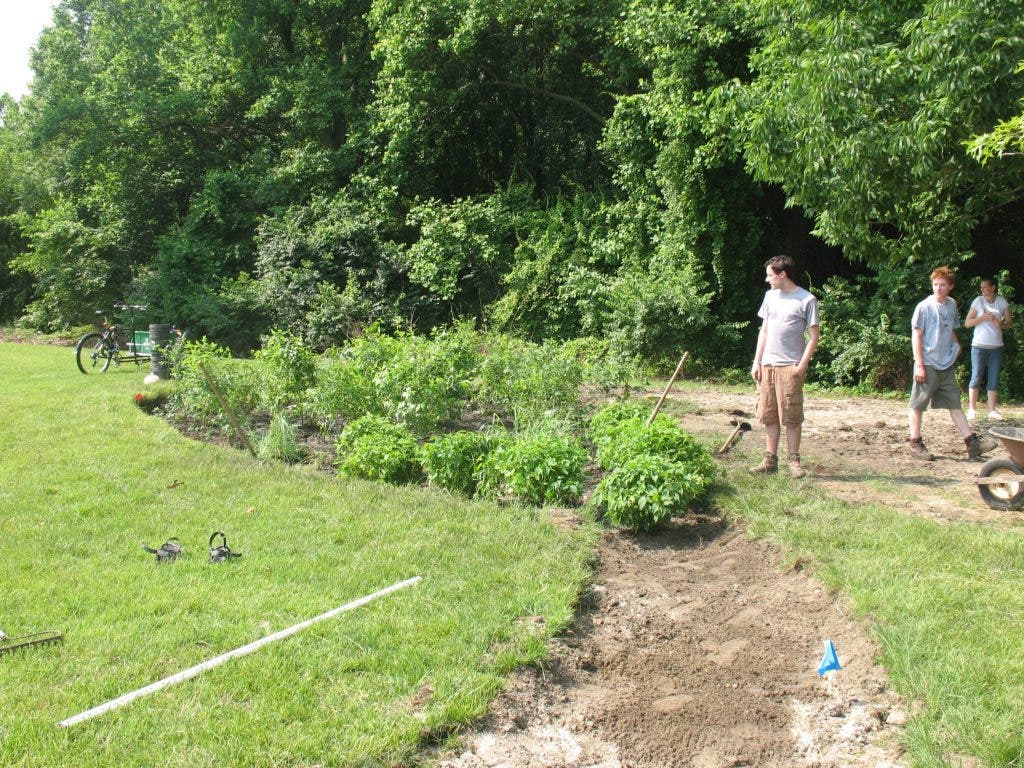
A Colonia college student is helping to solve flooding problems by creating rain gardens in New Jersey.
Brett Hoffmann, a 22-year-old engineering student from Colonia who studies at Rowan University in Glassboro, is part of a team of scientists who are using their technological prowess to turn a rain runoff problem into an environmental enhancement for the university.
'Rain gardens' are depressions filled with plants that absorb water runoff that would normally would remain on paved surfaces or flood into steams and other waterways. The gardens are a new approach to handling rainwater, where previously retention ponds have been used especially around new building projects.
Find out what's happening in Woodbridgefor free with the latest updates from Patch.
“When too much runoff enters streams too quickly, they become ‘flashy,’ too big just after a rain and too small between rainfalls,” said Dr. Jess Everett of the College of Engineering who is overseeing the project. “Pollutants are washed into stream, and high stream flows cause erosion. All of this is bad for aquatic and riparian organisms, such as fish and stream bank plants.”
The university has two small, student-designed rain gardens near Rowan Hall, the College of Engineering building, and one behind an administration building. Both are part of engineering clinic projects started more than three years ago, in part with a $33,000 grant from the NJ Dept. of Environmental Protection.
Find out what's happening in Woodbridgefor free with the latest updates from Patch.
A third, more ambitious rain garden is being planned that will cover almost half an acre of ground that will include switch grass, coneflower and bee balm as well as service berry and maple.
Hoffman, a senior in the civil and environmental engineering department, has worked with extensively on the rain garden project. He's helped determine the types of soil that exist under and around one rain garden, helped determine the direction of the groundwater flow, and updated a computer model that predicts the amount of runoff before and after the biobasins are installed.
“The highlight of this work for me so far has been assessing the flooding issues on campus,” Hoffmann said.
The rain garden team met with the college's facilities department where they pointed out the flooding trouble spots around campus. “We visited the trouble spots to determine what kinds of drainage structures, such as storm drains and pipes currently exist and the condition of the structures.
"We go out during rainstorms to see where the water flows, and if any flooding is occurring, and we take pictures of it," Hoffman said. The ‘field trips’ allow the team to determine if the current drainage structures are adequate enough to handle the rain runoff.
"If they aren't, we will attempt to provide reasonable solutions to update and fix them to minimize the flooding," he said.
Get more local news delivered straight to your inbox. Sign up for free Patch newsletters and alerts.