Traffic & Transit
Gov. Murphy Comes Out Swinging Against Congestion Pricing
If congestion pricing goes through, drivers could pay as much as an additional $23 fee to enter the Lincoln or Holland tunnels.


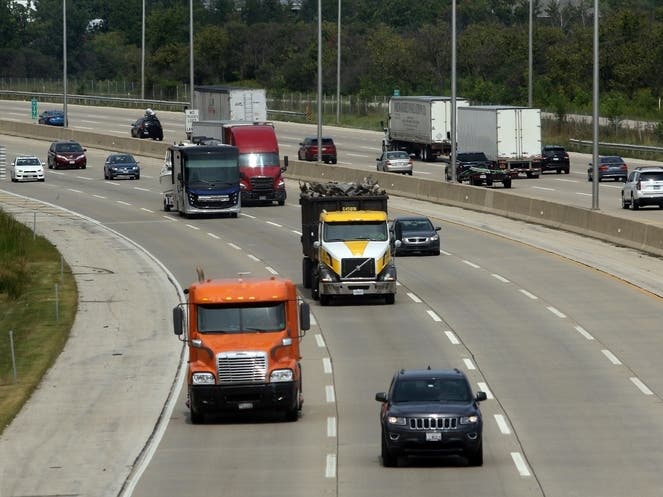
The New York City MTA is proceeding with a controversial plan to implement congestion pricing, which would be additional tolls all drivers must pay when they enter Manhattan below 60th Street, including at the Holland and Lincoln tunnels.
But Gov. Phil Murphy is so against congestion pricing that on Sept. 30 he threatened to use the “nuclear option," which would be vetoing minutes of the Port Authority. That move would essentially stop the Port Authority, which controls Newark, JFK and LaGuardia airports, plus all bridges, tunnels and the ports, from functioning.
"The governor will explore every possible avenue to prevent New Jerseyans from being double tolled as part of any congestion pricing scheme, including the governor’s oversight of Port Authority minutes," a Murphy spokesman told CBS News last Friday, the day after Murphy made his remark.
Find out what's happening in Woodbridgefor free with the latest updates from Patch.
Gov. Chris Christie, also against congestion pricing, threatened a similar move when he was in office.
While exact toll amounts haven't been determined yet, the New York Times reports congestion pricing tolls are expected to range from $9 to $23 for cars with E-ZPass, with possible discounts overnight or during off-peak hours. Tolls would be higher for trucks.
Find out what's happening in Woodbridgefor free with the latest updates from Patch.
This would be in addition to the current tolls at the Holland and Lincoln, which for cars are $16 cash and $13.75 for those with E-ZPass during peak times, and $11.75 during off-peak teams.
The MTA hopes to have congestion pricing in place by the year 2023.
Congestion pricing would only apply to anyone entering New York City from 60th Street and south; it would not apply to the George Washington Bridge, which already has a $15 toll in place. However, once any driver wanted to drive below 60th Street in Manhattan, they would have to pay the additional toll.
When congestion pricing was first proposed, it would have applied to anyone entering from Brooklyn or Queens at any of the East River tunnels. However, those bridges are already free.
So it's mostly drivers entering from the New Jersey side who are facing a tolls as high as $36 to get into and drive around Manhattan, hence the "double toll" term from Murphy's office.
Perhaps that's why North Jersey Congressman Josh Gottheimer (D, NJ-5) is so against it.
“This is an attempt to mooch off of New Jersey,” said Rep. Gottheimer in this statement to the MTA on Sept. 24. “Levying a new regressive tax on Jersey commuters, who already pay a fortune to get into the city, and millions in New York state taxes, plus all of the resources here in Washington that we sent to New York city during the COVID crisis ... I strongly urge you to withdraw this proposal and work with us toward a better solution for everyone.”
He is currently petitioning the MTA to make New Jersey drivers exempt, should congestion pricing go through. Should it go through, he predicts daily New Jersey commuters would pay an additional $3,000 a year to get in and around Manhattan.
The MTA said congestion pricing could generate $1 billion a year in revenue, and they would spend 80 percent of that money on subway improvements and 20 percent for its commuter railroads (Metro-North).
Gottheimer is so intent on repealing the MTA's idea that he teamed up with South Jersey Republican Congressman Jeff Van Drew to introduce the Anti-Congestion Tax Act in 2019. Another criticism the two have is that NJ Transit, which primarily serves New Jersey residents, would see none of the revenue.
Manhattan residents who earn less than $60,000 a year would still have to pay the toll, but they would receive a tax credit.
Those who support congestion pricing say the benefits will be two-fold: Get more cars off the road and relieve congestion and traffic, and also be a huge windfall to maintain the aging New York City subway system.
"70 percent of New Jerseyeans are using New York City transit when they get to the other side," Zoe Baldwin, New Jersey Director of the Regional Plan Association told NJ Spotlight. "So, they actually will be directly reaping the benefits of a better transit system."
"There are going to be people who have to drive," she continued. "That's just the fact of the matter. But they're going to have less traffic once they get there."
The MTA just completed 10 virtual meetings on the topic of congestion pricing. The meetings started Sept. 23 and are mandated to be held by the federal government. You can watch all the meetings or submit your public comment to the MTA: https://new.mta.info/project/C...
Be the first to know. Sign up to get Patch emails: https://patch.com/subscribe Contact this Patch reporter: Carly.baldwin@patch.com
Get more local news delivered straight to your inbox. Sign up for free Patch newsletters and alerts.