Crime & Safety
Bergen Black Bear Sightings: Paramus Police Say Second Bear Sighted Monday
Several bear sightings have been reported on Monday; the Paramus Police Chief said he believes there is more than one bear in Bergen County.


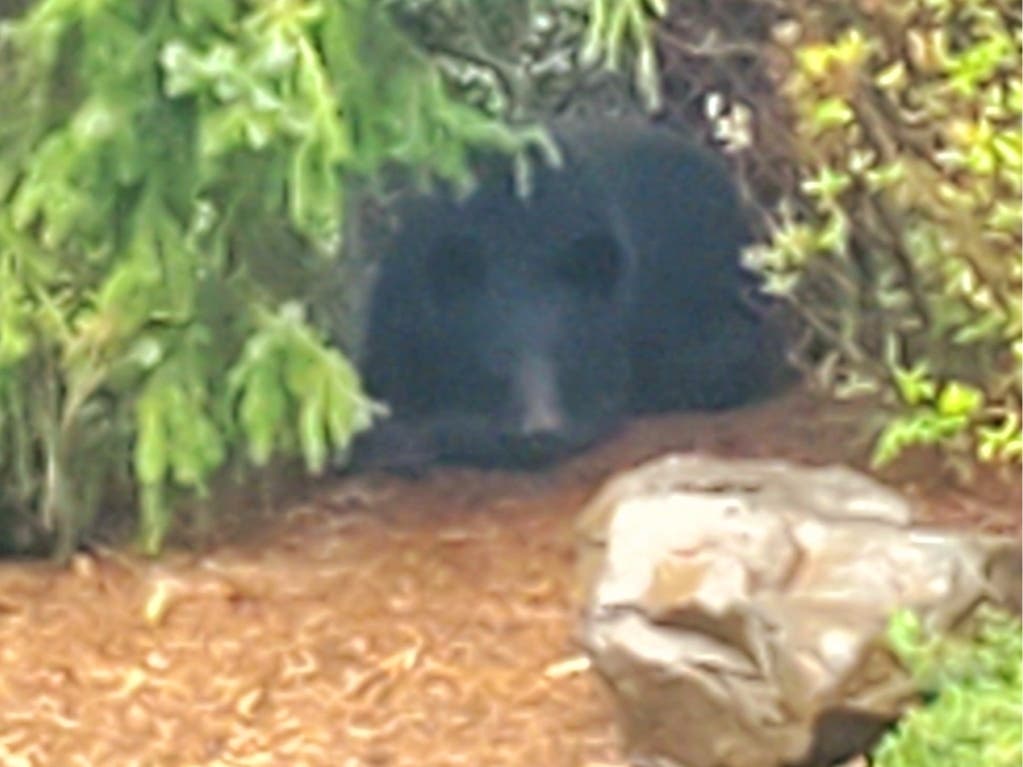
BERGEN COUNTY, NJ — At least two black bears have been spotted in the past few days around North Jersey, two Bergen County police departments said.
Paramus Police Chief Kenneth Ehrenberg told Patch two bears have been seen Monday in Paramus.
Paramus Police said Monday morning that a "non-aggressive black bear" was spotted in the area of Abbott and Benton roads. Later that morning, police again Tweeted the bear was again seen near Benton Road.
Find out what's happening in Wyckofffor free with the latest updates from Patch.
"If seen please stay away," police said. "Keep all children and animals inside."
Ehrenberg reported a second bear near Century Road, just after 2 p.m.
Find out what's happening in Wyckofffor free with the latest updates from Patch.
Police in Wyckoff said they are aware "of a bear sighting in the Ravine Avenue area" on Sunday evening.
"We are monitoring the incident," police said in a Facebook post. "At this time it does not appear to be aggressive."
William Paterson University in Wayne also reported a bear sighting on Sunday by Entry 6, across from the baseball field.
It is not clear if all three sightings are of the same bear or if there is more than one bear close to human beings right now in the area.
Wyckoff police also shared safety tips for encountering black bears. Tips include:
- Do not feed or approach a bear.
- Remain calm and make the bear aware of your presence by making noise. Make yourself look as big as possible.
- If the bear is in your home, make sure it has an escape route by propping your doors open.
- Avoid direct contact, which the bear may see as a challenge.
- Back away from the bear, do not run.
- If the bear makes huffing noises, snaps its jaw, and paws at the ground, it means you are too close. Back away without making eye contact.
- If the bear stands on its hind legs or moves closer, it may be trying to get a better scent.
- Bears sometimes "bluff charge" if they feel cornered or threatened, or are trying to steal food.
- Black bears do not often attack humans. If a bear does attack, fight back.
- Call the NJ Division of Fish and Wildlife's toll-free hotline at 877-WARN-DEP to notify them of a bear sighting.
Patch has reached out to police for more information.
About black bears
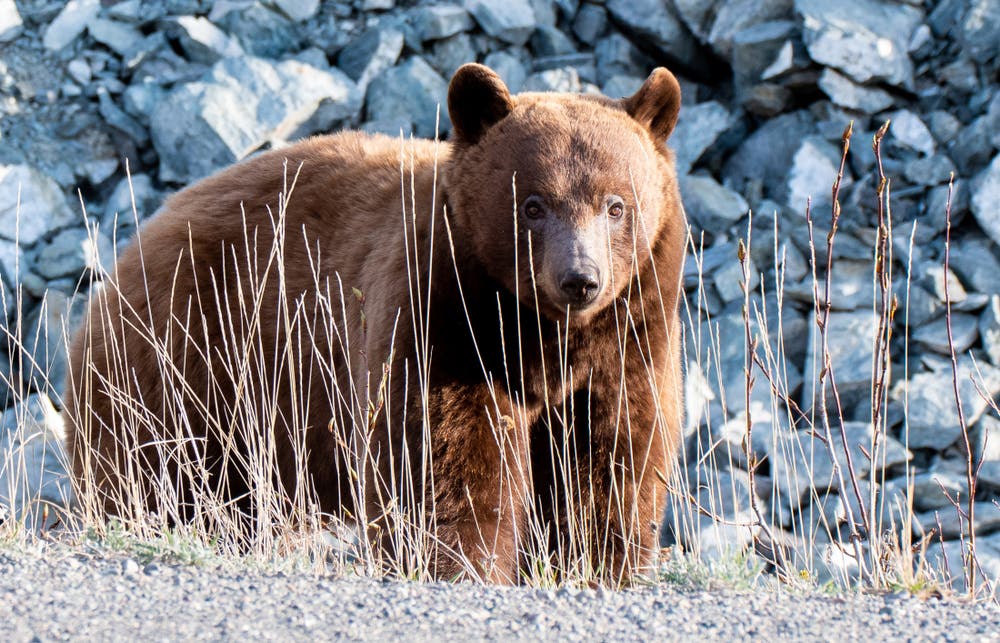
The American black bear can also look brown or a rusty cinnamon color, according to the National Wildlife Federation. Black bears are smaller and darker than grizzly bears, and have longer ears and shorter claws.
They eat a variety of things and are "very attracted" to what humans throw in the trash, as well as pet or livestock food, according to the NWF.
"Bears using these human-associated foods can quickly become habituated to them and this commonly results in the bears being killed as nuisances," the National Wildlife Federation says. "This is true for bee hives as well, as bears are very attracted to honey."
A male black bear can reach up to 600 pounds, while females generally stay under 200 pounds. Most adult black bears are 3 feet tall at the shoulder, and just over 6 feet long from nose to tail, the federation says.
Mating season for black bears peaks in May and June.
Get more local news delivered straight to your inbox. Sign up for free Patch newsletters and alerts.