

It is vacation time and the dog days of summer are approaching. This means hotter temperatures and often less than average rainfall, which spells trouble for many things green.
Most plants are made up of 92 percent water; humans are between 60 and 80 percent depending on factors like sex and age. Humans could last up to one month without food, but only one week without water.
Although many plants could hang in there for more than one week, a weekly dose of H2O is their optimal minimum.
Find out what's happening in Wyckofffor free with the latest updates from Patch.
When and how to water the garden is a science, one that involves a bit of data gathering, observation and resultant scheduling. It is important however, to be consistent, which means finding a way to balance a busy schedule with optimal maintenance of the lawn and garden. The following is tried and true advice for efficient garden care with water conservation in mind.
Set up a Rain Gauge Purchase an inexpensive rain gauge from a garden center or make your own using a recycled can or jar that can be marked or measured with a ruler or tape. Place the gauge in an unobstructed place in your yard and keep a record of rainfall amounts as well as tracking watering inches. Ideally, the garden should receive at least one inch of water per week, or more in severely dry weather. Check with your local municipality about any watering restrictions and adjust your schedules accordingly, making sure to measure the minimal inch per week.
Find out what's happening in Wyckofffor free with the latest updates from Patch.
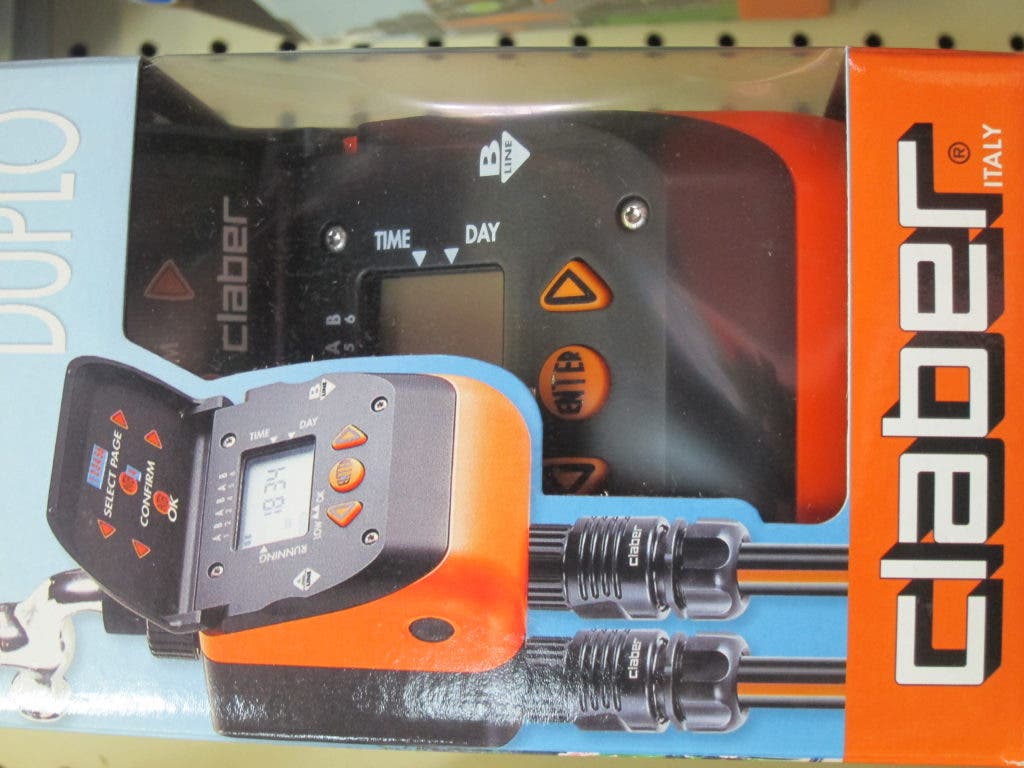
Use a Rain Sensor and Timers Order inexpensive rain sensors for timers. Many timers are complicated and require thorough reading of instructions for correct operation. There are simple “egg-timer” styles where the time is dialed and the unit ticks backwards. There are a variety of digital units as well as those that will regulate more than one zone. Use couplers or quadruple faucet expanders to maximize efficiency and hoses. Note that most hoses contain a small amount of lead and that only “camper or RV” hoses that are clearly marked for drinking are considered safe for human consumption. (To think of how many times we all drank out of ordinary garden hoses…Yikes!)
Water in the Early AMs Timers should be set to go off between 5 and 7AM. Use your rain gauge to determine how much water is spread in how much time. Most sprinklers will deliver an inch of water in about 30-45 minutes. Hand watering will rarely achieve that goal and although plants may look wet, more frequent watering for less time is actually counter-productive as it encourages roots to stay closer to the surface rather than reaching cooler temperatures below. Roots that grow deeply are healthier and more resistant to disease.
Early morning hours for watering are preferred as the sun is less intense, allowing for less evaporation’ Winds are usually calm or non-existent during early morning hours resulting in less drying. The plants will have all day to dry out, avoiding dampness after dark and the invitation for funguses and disease.
Soaker Hoses, Drip Systems, In-Ground Irrigation Soaker hoses are my favorite as they are camouflaged by plants and dirt and deliver water closest to the roots. The special hoses in the soaker system are a good investment and last for years. Many hoses can be linked and are especially useful in garden beds. Drip Units are awkward and are more frequently used in farming. In-ground systems are also highly efficient, despite initial costs. They should be maintained annually for continued smooth operations.
Place Portable Units in Optimal Places Old fashioned oscillating sprinklers including spinning units and any other movable water sources are inexpensive and highly efficient ways to water. They should be placed where they cover the most ground and moved in time to avoid flooding or puddling. (Too much water can be as damaging as too little-roots can drown when they are deprived of oxygen.) Do not place portable units on a sloping area too close to the curb or driveway as water will be wasted draining into the street. Sprinklers are entertaining for gardeners of all ages who wish to cool off.
The main objective in watering in summertime is to provide consistent and uniform coverage to the garden, keeping in mind exceptions to the once per week rule. Containers dry out more quickly and may need to be watered from once every other day to up to twice daily in extreme heat. New plantings also need more water to help establish their roots. Mulching in beds with 2” of composting chips or leaves will help to retain moisture and of course keep up with digging out those thirsty and competitive weeds.
Enjoy your vacation, but don’t forget about your green friends!