This is a paid post contributed by a Patch Community Partner. The views expressed in this post are the author's own, and the information presented has not been verified by Patch.
Back in July we showcased some unique home features that you may not see in new home construction ever again. Some are stylish, some are functional, but they are all interesting. So, let’s check out a new batch of some odd blasts from the past you may come across when shopping for a home.
Phone Nook (Niche)
Find out what's happening in Wyckofffor free with the latest updates from Patch.

Remember the time before smartphones? Prior to carrying around slim devices in our pockets or purses everywhere we went, bulky phones were located throughout the house – attached to a wall or resting on a side table. Many times, however, they had their own special spot: the phone nook.
It was a small shelf built into the wall, usually found in a hallway or somewhere near the center of the house for easy access. It would hold the telephone as well as address books and phone books. There was also often a second shelf or small compartment to hide the cords and wires. If you’re checking out a house that was built in the early 1900’s, there’s a pretty good chance you’ll find a phone nook. The good thing about this obsolete feature? It can easily be repurposed. Use it for displaying decorative items like a vase or statue, some picture frames, or even somewhat stick to its original use and keep your phone there along with other things you grab before you leave the house like your keys or wallet.
Find out what's happening in Wyckofffor free with the latest updates from Patch.
Root Cellar

At first glance, a root cellar looks like something out of Lord of the Rings that a hobbit might live in. It’s usually constructed of wood, stone, cement, or sod and can be completely or partially underground. The root cellar was used to store food such as fruits, nuts, and, you guessed it, root vegetables, in preparation of winter. It also acted somewhat as a refrigerator, keeping fresh foods cool during the day until supper time.
While popular in the past, root cellars are making a bit of a comeback these days. Many people have gotten serious about growing their own produce at home, food sustainability and security, and gardening in general. Properly storing food that may not be available year-round in stores can come in handy during off-seasons; DIY jarring and preserving have also become more common.
Dumbwaiter
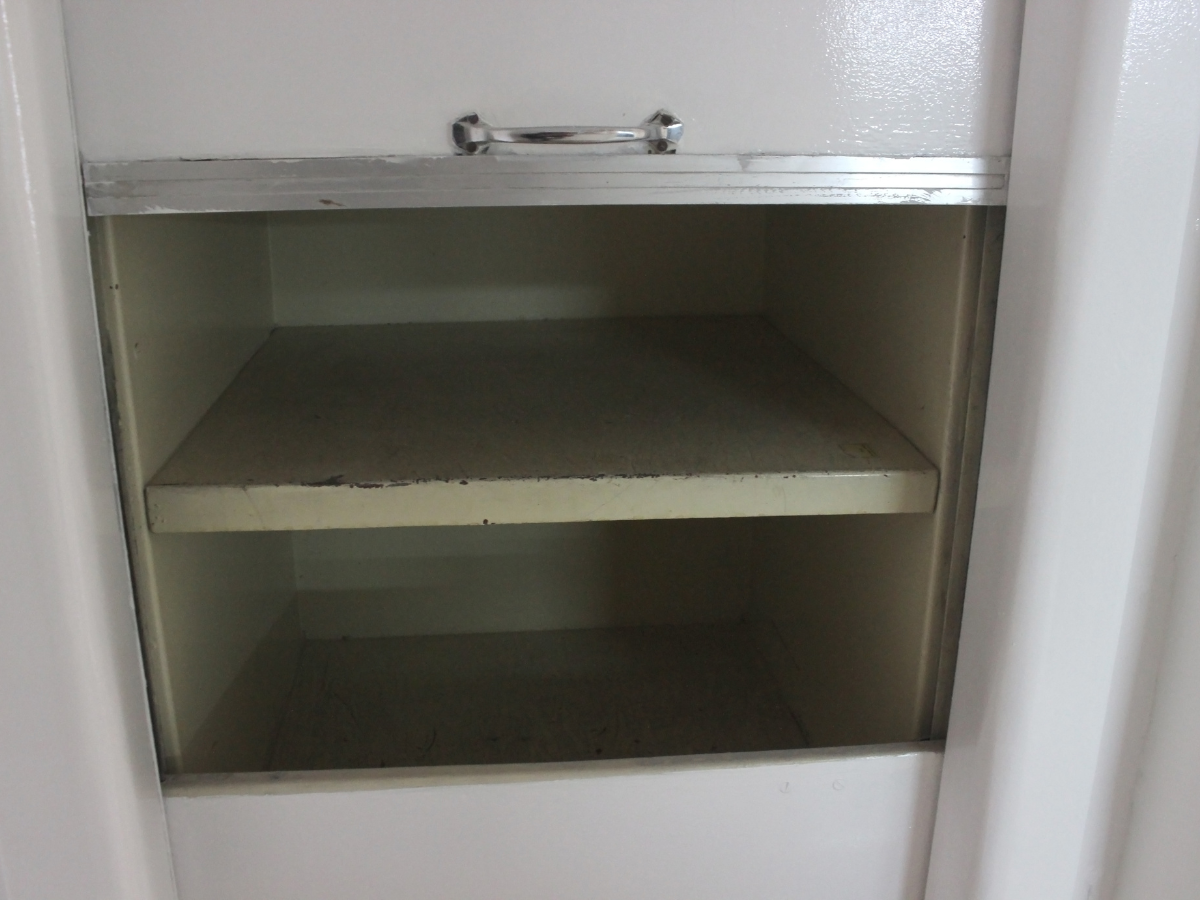
Simply put, a dumbwaiter is a small freight elevator designed to lift food instead of people. The very first iteration, however, was more of serving tray that often could be rotated – years later commonly called a Lazy Susan.
President Thomas Jefferson introduced the idea in the White House to curb the frequency of servants constantly entering and exiting the dining area. Instead, they would bring all the food, cutlery, and anything else for the meal all in at once and placed on several of these trays around the room – essentially a “dumb” waiter instead of an actual one. This insured more private conversations for him and his guests. Jefferson also installed a Lazy Susan-type piece that shared a wall with the kitchen to discreetly add plates and other items, while also taking away used and dirty dishes.
Many years later the elevator version that we’ve come to know was invented by George Cannon in New York City. It used a series of pulleys and counterweights to transport a frame up and down a shaft, delivering items to floors above and below. Modern dumbwaiters are actually still being produced by several companies today, with obvious technological improvements to cut down on noise and increase stability.
If you’re looking to buy a new home, having an experienced agent who has truly seen it all is a major asset. Maryanne Elsaesser and the Home Navigators Team are here to help you through every step of the way in your next home purchase, even answering the “what the heck is that?” question you may pose when coming across one of these features.
About Maryanne Elsaesser
Maryanne Elsaesser is known for individualized strategic planning and solving complex matters with calmness. Her clients say she is a "brilliant negotiator," tenacious, helpful, smart, creative, focused and has an amazing ability to read people. Consistent hard work puts Maryanne in the top 1% of brokers in the country. Maryanne is well-versed in contractual elements and understands the intricacies of navigating the most profitable net gain in each transaction. She can be reached at 551.206.9264 or maryanne.elsaesser@gmail.com.
This post is an advertorial piece contributed by a Patch Community Partner, a local brand partner. To learn more, click here.