Community Corner
Quirky Home Features You May Never See Again
They Just Don't Make Them Like They Used To

This is a paid post contributed by a Patch Community Partner. The views expressed in this post are the author's own, and the information presented has not been verified by Patch.
When it comes to buying a home, everyone has their checklists, must-haves, and deal-breakers. But every so often while browsing through a home for the first time, you may come across something you’ve never seen before, and as an experienced real estate agent, I’ve seen some of the weirdest. So, let's take a look at some unique home features that you may have never heard of.
The Mortgage Button
Find out what's happening in Wyckofffor free with the latest updates from Patch.
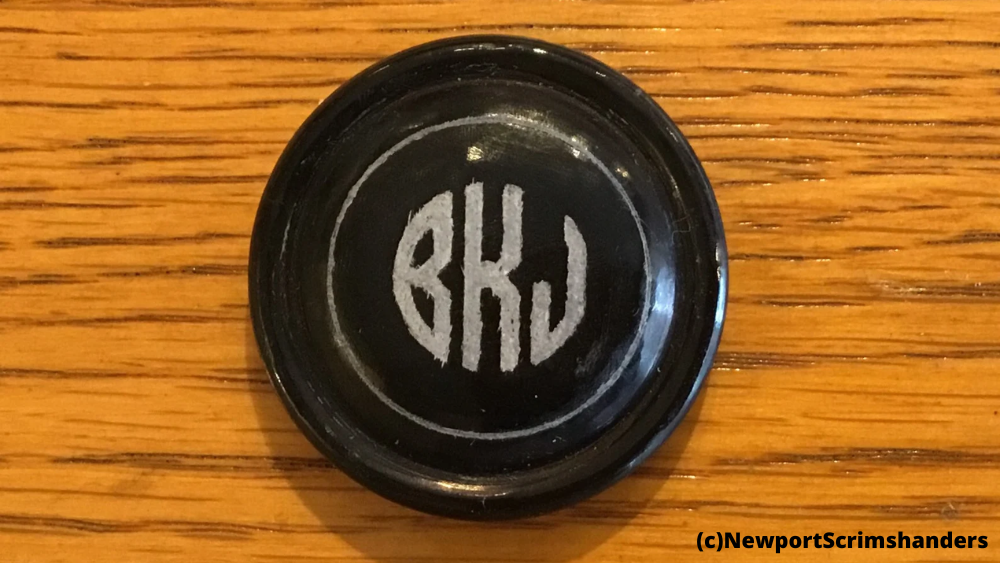
If it’s your first time hearing about a mortgage button, you might think it was an office tchotchke a lender might have on their desk; push it and it says, “your approved!” As fun as that may sound, the mortgage button is actually a decorative item with a somewhat mythical past that you may find in many homes, especially in the New England area.
Originating in Nantucket, the story claims mortgage buttons started in the 17th century when homeowners, upon completion of payments on the home, would drill a hole inside the newel post of the main staircase. They would then roll up the lien and place it inside, or in some cases pour in the ashes from burning the paperwork. The hole would then be covered up with a decorative, usually whalebone, button with the owner’s initials and date inscribed. It served as a trophy of sorts, proudly showing all guests who viewed it that the home was indubitably the property of the current residents.
Find out what's happening in Wyckofffor free with the latest updates from Patch.
As with many traditions, the button found its way to other parts of the country. You might hear some call it an Amity button in the Mid-Atlantic states, and a “brag” button in the South.
At least that’s how the story goes, although there doesn’t seem to be any hard evidence of any documents hidden in newel posts. It can be a fun way to upgrade your home, though, and there are plenty of companies still making mortgage buttons right now, like Newport Scrimshanders.
The Boot Scraper
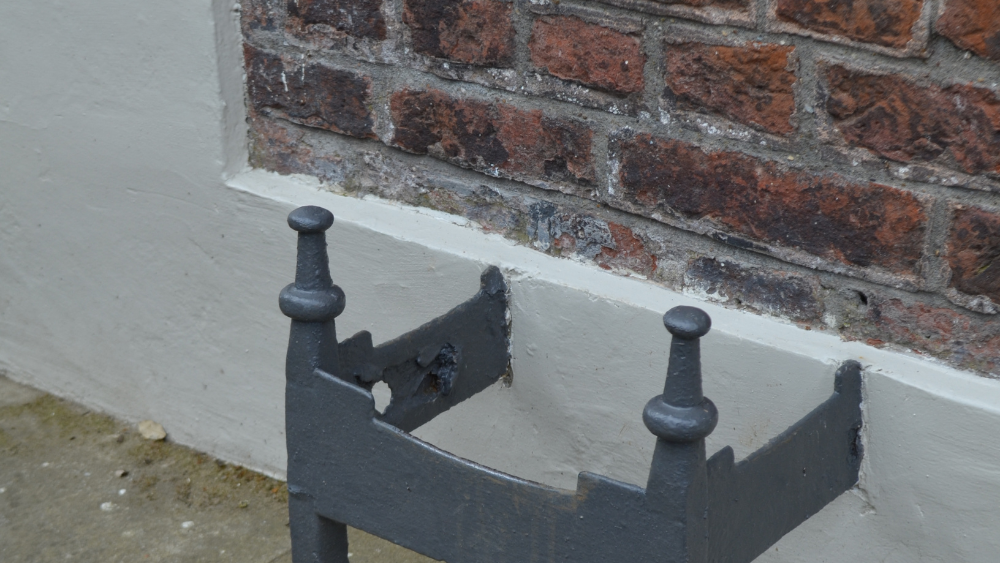
This iron do-hickey is usually found in the ground right near the door. They can range from very mundane to quite ornate, but they all serve the same purpose. As the name suggests, it’s designed to scrape all the mud and muck from underneath your footwear before you enter the house.
Arguably more effective then wiping your feet at the welcome mat, the boot scraper became popular in the 18th century in big cities like Paris and London, eventually finding its way to New York City and other parts of American. At the time, many roads and walkways were just dirt and even if some major thoroughfares had cobblestone, you were bound to trapse through some undesirable substances during your travels. Originally boot scrapers were just a simple hand-wrought iron frame, but quickly became fancified through the advent of cast iron.
These debris removers were installed in various places outside the home. Often in the ground or stoop, sometimes worked into the railing itself for a more subtle look, and even others were mounted on a wall near the door. There are actually many popular models of boot scrapers being made today, but they definitely lack the historical essence associated with the original models; powerful brushes with motorized wheels may do the job, but something about that iron frame can add just the right amount of charm to your home’s entrance.
The Sorlien Bed
Maybe you’ve experience this before: you’re in a hotel room or rental house and you marvel at the giant closet before your eyes. But when you go to open it, you find yourself pulling down the entire door only to reveal a bed! The Murphy bed was designed around 1900 to transform a bedroom into a parlor, allowing the homeowner to entertain guests with plenty of floor space, and quickly providing a place to sleep once those guests were gone.
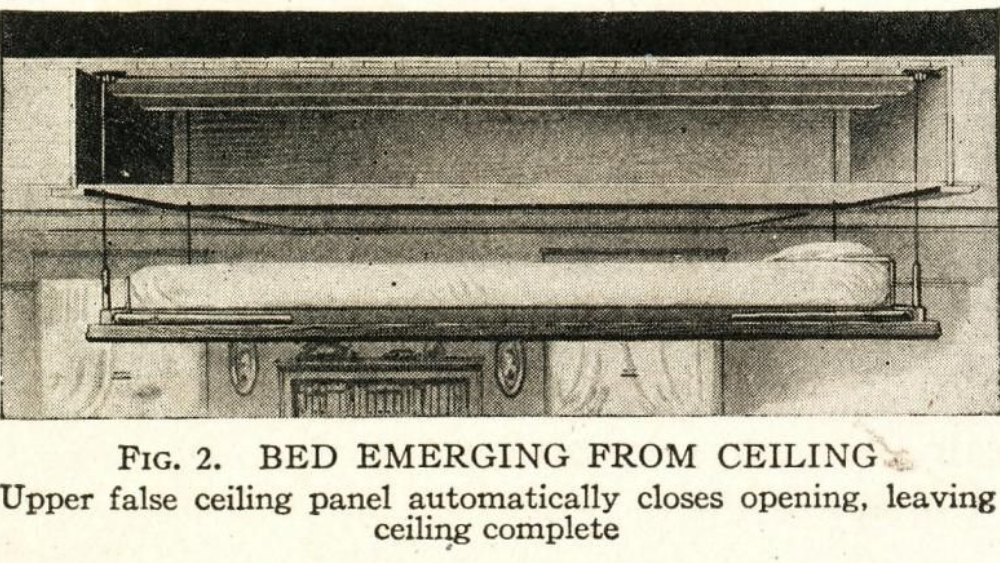
Soon after the Murphy bed gained popularity as a status symbol, inventor Theodore Sorlien sought to take this space-saving-sleeper to the next level, literally. He created a bed that was stored in the ceiling and, using a series of cranks and counterweights, could be lowered down to the floor when needed. It was a clever competitive product at the time – why have a fake closet that’s a bed when you could actually use that closet for storage? Instead, utilize a part of the home that doesn’t take away its practicality, the ceiling.
For whatever reason, the Sorlien bed never came close to its hide-in-the-wall predecessor’s success. However, both styles of beds have seen an uptick in recent years with the rise in popularity of the tiny home, as well as homeowners renting their houses to out-of-towners through platforms like Air BnB or Verbo. The modernization makes these secret compartments even more seamless and easy to use then before, with smart technology even allowing the beds to be revealed at the push of a button. Just make sure no one is sleeping in it when you put it away.
If you’re looking to buy a new home, having an experienced agent who has truly seen it all is a major asset. Maryanne Elsaesser and the Home Navigators Team are here to help you through every step of the way in your next home purchase, even answering the “what the heck is that?” question you may pose when coming across one of these features.
About Maryanne Elsaesser
Maryanne Elsaesser is known for individualized strategic planning and solving complex matters with calmness. Her clients say she is a "brilliant negotiator," tenacious, helpful, smart, creative, focused and has an amazing ability to read people. Consistent hard work puts Maryanne in the top 1% of brokers in the country. Maryanne is well-versed in contractual elements and understands the intricacies of navigating the most profitable net gain in each transaction. She can be reached at 551.206.9264 or maryanne.elsaesser@gmail.com.
This post is an advertorial piece contributed by a Patch Community Partner, a local brand partner. To learn more, click here.