Arts & Entertainment
Seed Saving Means Free Plants For Your Garden
Saving seeds is an economical and enjoyable way to plan a future garden.


Saving Seeds = Free Plants!
Saving Seeds is an economical and enjoyable way to plan for next year’s garden.
Since gardeners are usually frugal people, I would be remiss if seed-saving was not a topic of discussion in The Garden Patch. The ‘miracle of life’ in every garden begins with one tiny, seemingly dried out seed which may appear to originate in colorful little packets. However, seeds have parents too and “mother plants” are productive generous with “off-spring."
Find out what's happening in Wyckofffor free with the latest updates from Patch.
Seeds are found in the fruits or flowers of plants, appearing at the end of bloom-time when it is said that they have “gone to seed." In seed harvesting, the timing is critical. Seeds harvested too early may not have the fully developed endosperm necessary for nourishing the embryo inside to finish maturing. This lack of development renders the seed incapable of completing its life-cycle. Seeds harvested too late may have already begun to dissipate or rot and will not produce plants. (Seeds that are too newly formed are very tight and chartreuse in color; seeds that are too old are crusty and brown and light in weight.)
Harvesting Seeds
Find out what's happening in Wyckofffor free with the latest updates from Patch.
Survival of the fittest applies to the garden as well as man, therefore select the strongest plants from which to harvest. Choose unblemished fruits, flowers or vegetables, ones that are free of insects or diseases from the strongest and most productive plants. Harvest seeds on a sunny day, when moisture and dew have evaporated.
Seeds will tell you when they are ready to be harvested: they will “rattle in their pods” as in the case of ‘Columbines’ or change in color from light green to dark-Echinacea, Sweet William, Cilantro/Coriander. Some seeds are large, making them easy to work with: Four O’Clocks, beans, peas, Morning Glories and Marigolds. Other seeds are tiny, fine or slippery and are a bit more challenging to work with.
All seeds are worth saving, especially those fruits, flowers or vegetables that are particularly attractive or delicious. Saving seeds is a relatively sure way to grow the things you like next year. Sometimes plants become cross-pollinated by bees or wind. In that case you may be surprised at the outcome with a different color or variety than expected; a little mischief on the part of Mother Nature.
It is wise to plan which plants are to be used for seed-saving. Dedicating a few plants for this purpose, that is allowing those few to go to seed will enable the gardener to properly groom the others. Plants, especially perennials thrive on dead-heading and pruning for vitality; the process of going to seed diverts energy and weakens plants, thereby shortening their lives. Keep dead-heading the bulk of your plants to renew vitality, and encourage the growth and health of future blooms.
Preparing Seeds for Storage
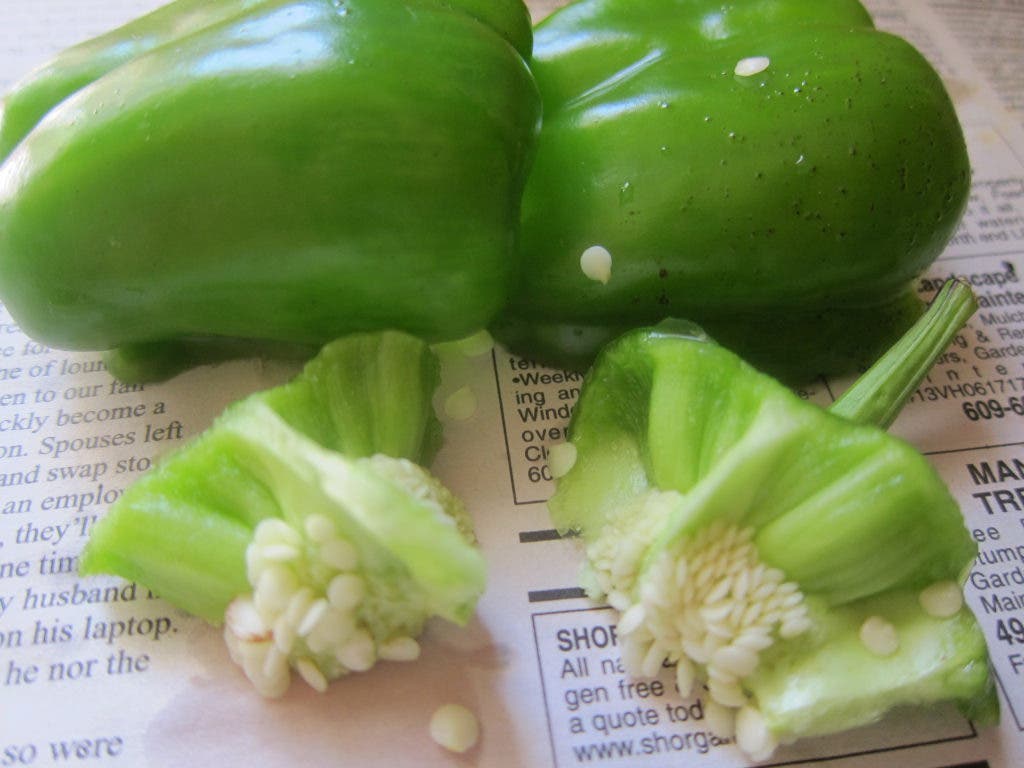
Seed heads within a fertilized flower, pods, follicles or fruits are the “containers” for seeds and can be successfully saved by snipping or pinching carefully from the mother plant. Once harvested, seeds must be cleaned and dried before storage. You must separate the seeds from any debris such as tiny twigs or leaves which may harbor hidden fungi, insects or moisture that destroys the integrity of the seed. Moisture can cause the seeds’ metabolism to speed up when it should really be slowing down in the process of becoming dormant. Efforts at seed-saving could easily be wasted with improper handling.
After cleaning the seeds, you must dry them out. The simplest method is to lay them on a section of newspaper, labeling the page in order to avoid confusion. Spread seeds in a single layer, leaving the newspaper opened flat in a cool, dry place. If space is an issue, the sections may be rolled up and taped. Small seeds will take about 8-12 days to dry out whereas larger seeds may take two weeks or more. You may also dry seeds in a clean, dry jar with a packet of silica in it. Silica can be obtained at a camera store and should be dried in between uses in a 250 degree oven for 20 minutes.
Storing Seeds
Seeds need to exchange gases and digest food in dormancy; this natural process must be slowed during storage by controlling temperature and moisture. Moisture is one of the most important factors as the presence of moisture triggers germination. Germination in storage conditions lead to premature sprouting of leaves in a hostile environment-one without soil or light and nutrients. Leaves will shoot out, using stored energy in the seeds and wither and die, leaving the seed to rot.
Seeds can be stored in paper or glassine envelopes, jars with screw-top lids, baby food jars, plastic or metal film storage containers, clean prescription bottles or metal coffee cans with lids. Containers should not be airtight as this would inhibit internal gas exchange, but should be secure enough to keep out insects and moisture. Label and date the seeds which can be stored for up to two years.
Seed saving is a great way to share plants with fellow gardeners. Seed and plant exchanges offer the potential for a greater variety of plants as well as a way to preserve hardy plant varieties for future generations. Heirloom Seeds are those that are saved and passed down from generation to generation, insuring the continuation of a particular fruit, flower or vegetable. Hardiness, color and taste are among the many reasons to save seeds.
Preparing Seeds for Eating
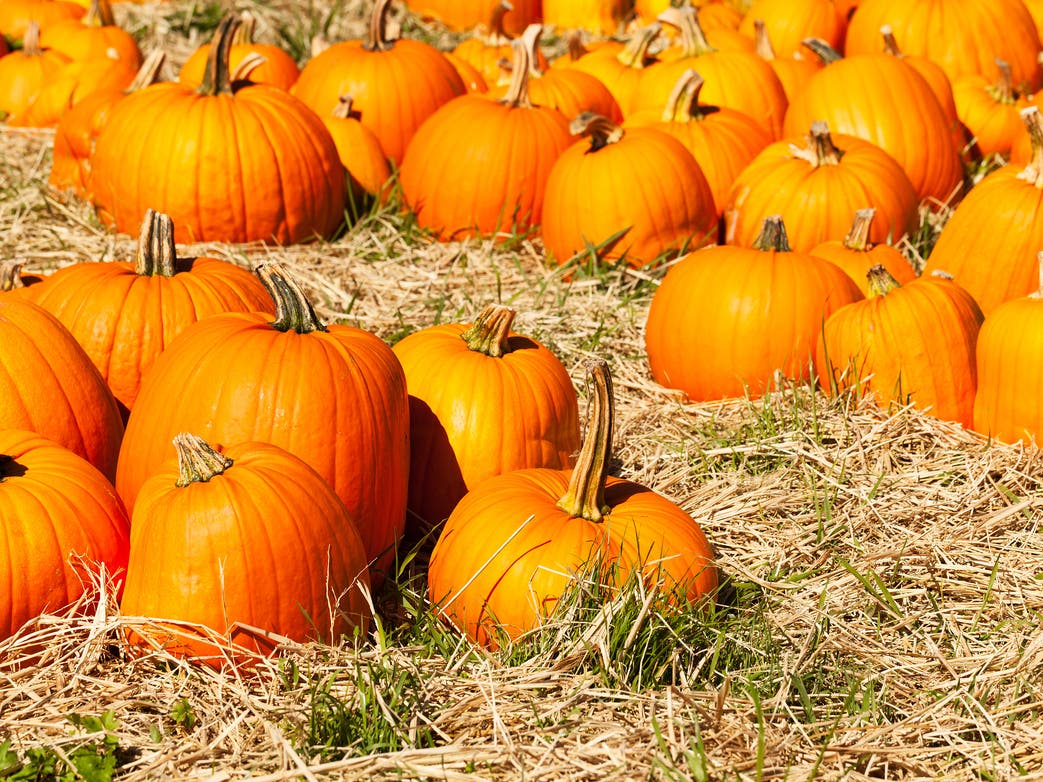
Many seeds are harvested for eating- pumpkin and sunflower being the most popular. Scoop the seeds gently, washing off any debris or pulp. Allow to dry out on a shallow baking pan or cookie sheet. Toss with a bit of olive oil, using just enough for a light coat. Season with sea salt and bake in a pre-heated 325-degree oven for 20 to 25 minutes, stirring after 10 minutes. A faster method is to toast prepared seeds on a griddle or hot sauté pan. Cool and store in an airtight container or zip-close bag.
For more information on seeds or seed-saving, to purchase great seeds or just to chat with friendly and knowledgeable folks try one of these resources. Heirloom Seeds: www.heirloomseeds.com ; Baker Creek: www.rareseeds.com; Johnny’s of Maine: www.johnnyseeds.com; Cook’s Garden: www.cooksgarden.com; Renee’s Garden: www.reneesgarden.com. Although these businesses would love to sell you seeds, they are all gardeners at heart and love to share info and tips.