Arts & Entertainment
Top 10 Things to Do in Your Garden in April
April showers bring May flowers but not without a little help!


April Showers bring May flowers. Oh, if only it were that simple …
It is finally April. We are over the hump of bad weather … it should be smooth sailing-right?
Unfortunately, there is still a chance of frost and although spring blooming bulbs have begun to peek out from underneath ground that is not completely thawed-we still have a good four-six weeks of changeable weather to worry about.
Find out what's happening in Wyckofffor free with the latest updates from Patch.
It is, however, time to get moving. The ground is warming up fast and there are many chores to all month.
1. Begin digging new garden beds as soon as the ground is workable. The soil should be moist and crumbly. Use a sod lifter to lift grass if you are making a bed in the lawn or around specimen trees. Use a shovel or tiller to loosen the soil to a depth of between 9 and 12 inches. Mix in plenty of compost or other organic matter. Check for “hardpan”-a densely packed clay layer that is nearly impossible for roots to penetrate, causing them to drown. Completely break this up mixing loosened soil and peat moss into the soil. Break up any big clumps of soil in preparation for seeds or plants. Start weeding your beds now.
Find out what's happening in Wyckofffor free with the latest updates from Patch.
2. Remove winter mulch including thick layers of wet leaves or evergreen boughs placed to protect from freezing. Uncover all perennials as soon as they appear from the soil. Clean up any debris within the beds and lightly aerate the soil with a garden fork.
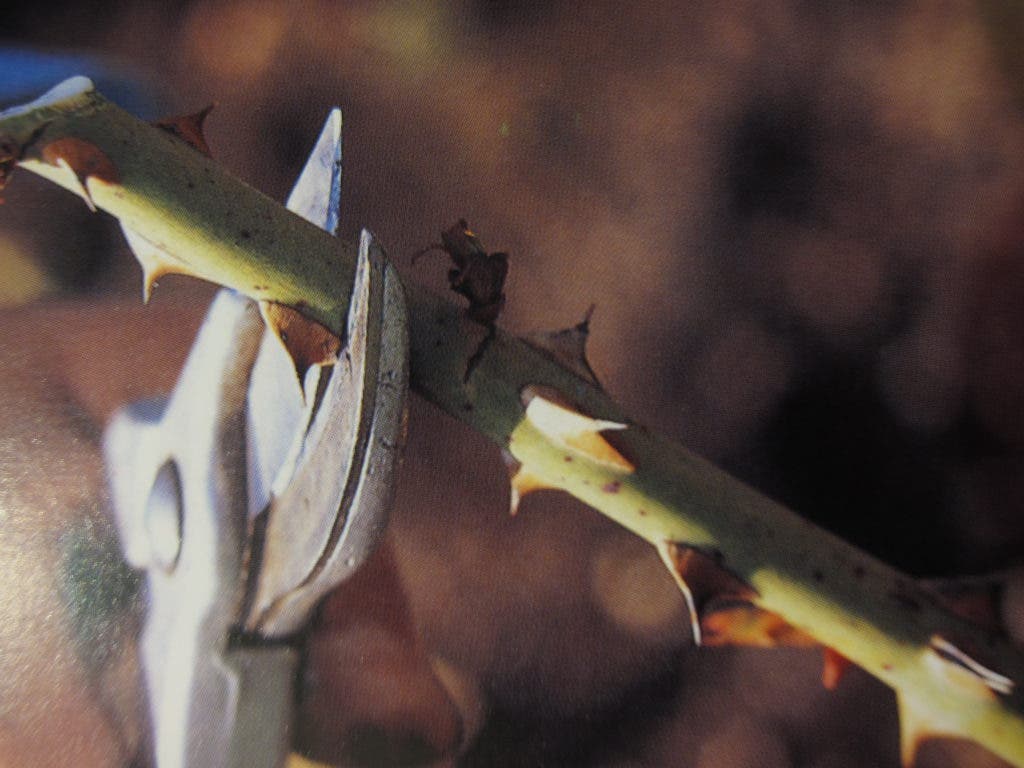
3. Prune repeat blooming roses hybrid teas, grandifloras, floribundas, as soon as buds begin to swell. Repeat blooming shrubs do not need pruning right now, but remove any dead, spindly or very old canes-cut back all the way to the ground. Large shrubs may be cut back by one third and smaller shrubs by one half. As with other plants, remove crossing or rubbing canes (taking out the weaker ones). Prune hybrid teas and grandifloras harshly-you may safely cut back shoots to three-to six inches. Cut stems at a 45 degree angle, 1/4inch above the outward facing bud, cutting downward and away from the bud. Cut “suckers” (shoots growing from the rootstock (below the bud union)-these shoots are very aggressive and take energy away from the plant.
4. Replant frost-heaved shrubs, trees and perennials. Repeated cycles of freezing and thawing can cause the ground to crack pushing plants right up and out of the soil. Plant them quickly and water in to prevent the roots drying out, causing the plant to die.
5. Plant balled-up, burlapped or container shrubs or trees and water regularly giving roots enough time to become established before the hot weather.
6. Top dress beds with one to two inches of compost allowing time for spring rains to water nutrients into soil. Compost not only adds nutrients, but aids drainage and helps with moisture retention. Add mulch as needed. Pinch off dead leaves from plants before new growth begins.
7. Divide perennials when they are about three inches tall and transplant to other beds. You can amend the soil with about two tablespoons of bone meal or wood ashes around each one to improve flowering. Dig up Hostas and cut with a sharp knife. Asters that have grown woody may be dug up, separating the young healthy growth at the sides from the non-productive center. Replant the young clumps and compost the woody parts.
8. Sew hardy seeds outdoors-foxgloves, bellflowers, hollyhock, annual poppies, and forget-me-nots. Plant cold-weather hardy Pansies, Johnny jump-ups, Snapdragons and Dusty Miller. Direct sew peas, fava beans and beets. Mulch planting rows in your vegetable garden to suppress weeds and retain moisture. You can also direct seed lettuces, adding a new crop every two weeks. Start tomatoes indoors.
9. Start herbs indoors (basil, garlic chives, cilantro, dill, fennel, fennel, lemon grass and sweet marjoram) and prune back shrubby herbs (lavender, sage, oregano, and thyme) outdoors.
10. Begin to repair the lawn by sewing seeds over bear spots. Water regularly and cover with straw or hay to keep the ground warm and seeds in place. If you can lift sections of your lawn up like lifting up a rug, chances are that you have grubs. Treat these with Grubex or Dialox now and again in September.
Remember to water plants, trees and lawn to promote healthy new growth.