Albany, NY|Local Classified|For Sale|

Compact Livestock Feed Production Line for Small and Medium Farms
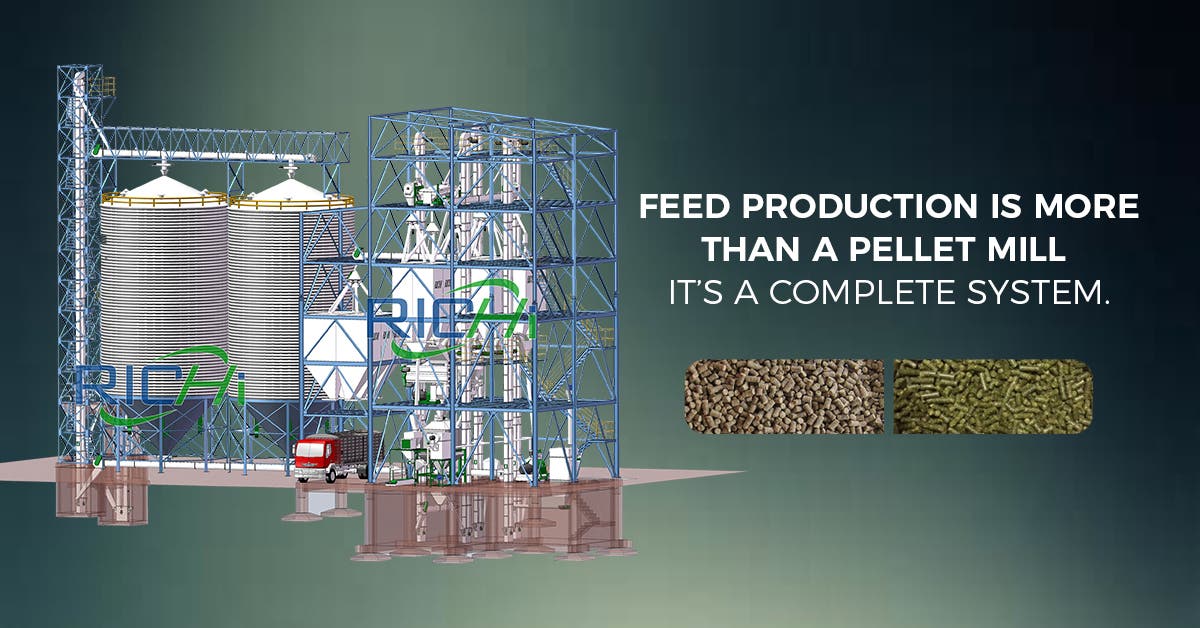
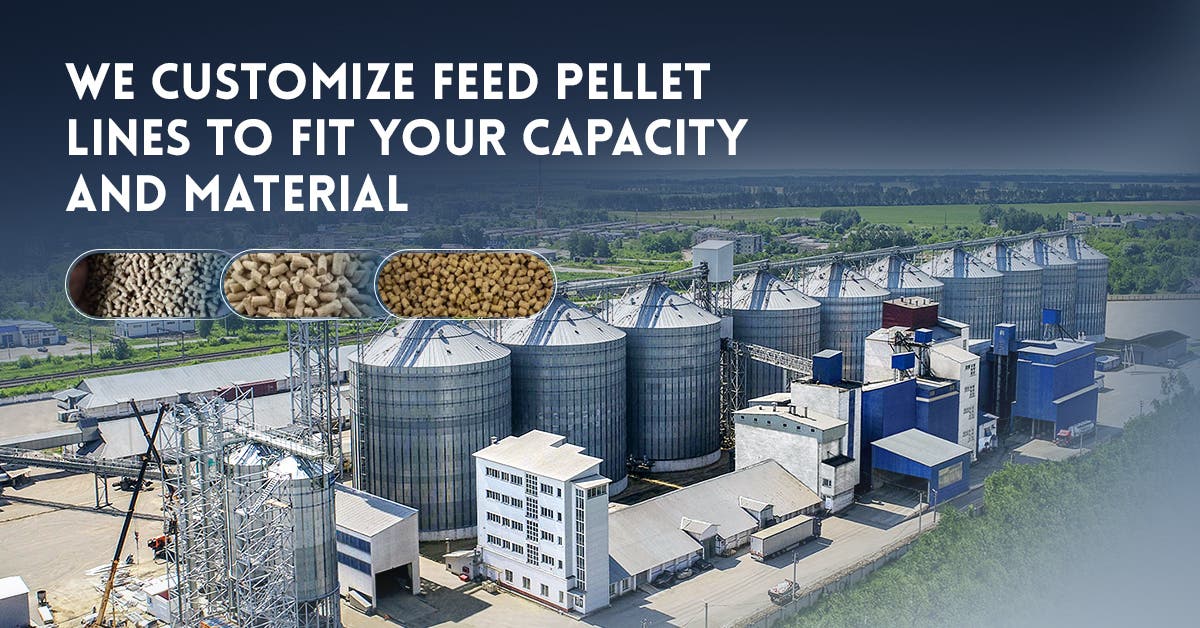
For small and medium-sized farms, investing in a compact livestock feed production line is a practical way to improve feed quality while controlling costs. Unlike large industrial systems, compact feed lines are designed to be efficient, easy to operate, and adaptable to limited space and budgets.
pelletisingmachine.com/livestock-feed-production-line/
A typical livestock feed production line for smaller operations includes essential processes such as grinding, mixing, pelleting, and cooling. Even at a reduced scale, each step plays a crucial role in ensuring that animals receive balanced and nutritious feed.
The process begins with raw material preparation. Farmers often use locally available ingredients like corn, soybean meal, and agricultural by-products. These materials are first cleaned to remove impurities, ensuring smooth operation and protecting equipment. After cleaning, the materials are ground into fine particles using a small hammer mill. Proper grinding improves digestibility and helps achieve better mixing results.
Mixing is the next stage, where all ingredients are blended according to a specific formula. In a compact livestock feed production line, horizontal or vertical mixers are commonly used. These machines ensure that nutrients are evenly distributed, which is essential for consistent feed quality. Even for small farms, accurate mixing can significantly impact animal growth and health.
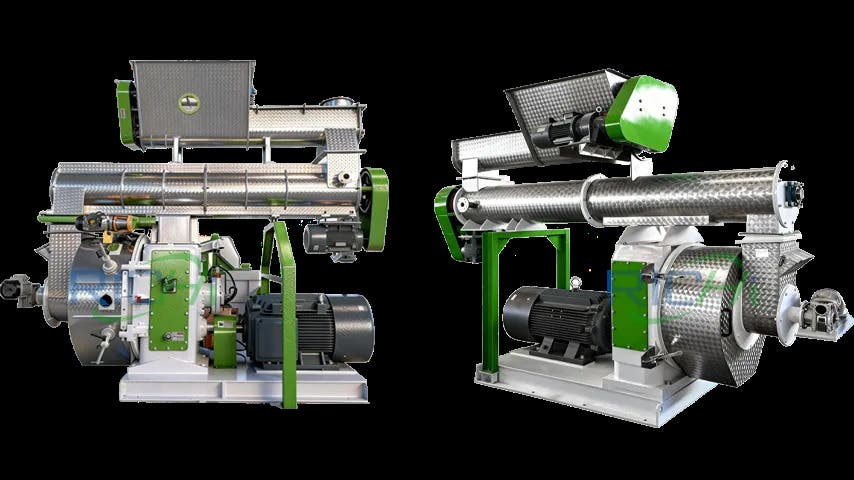
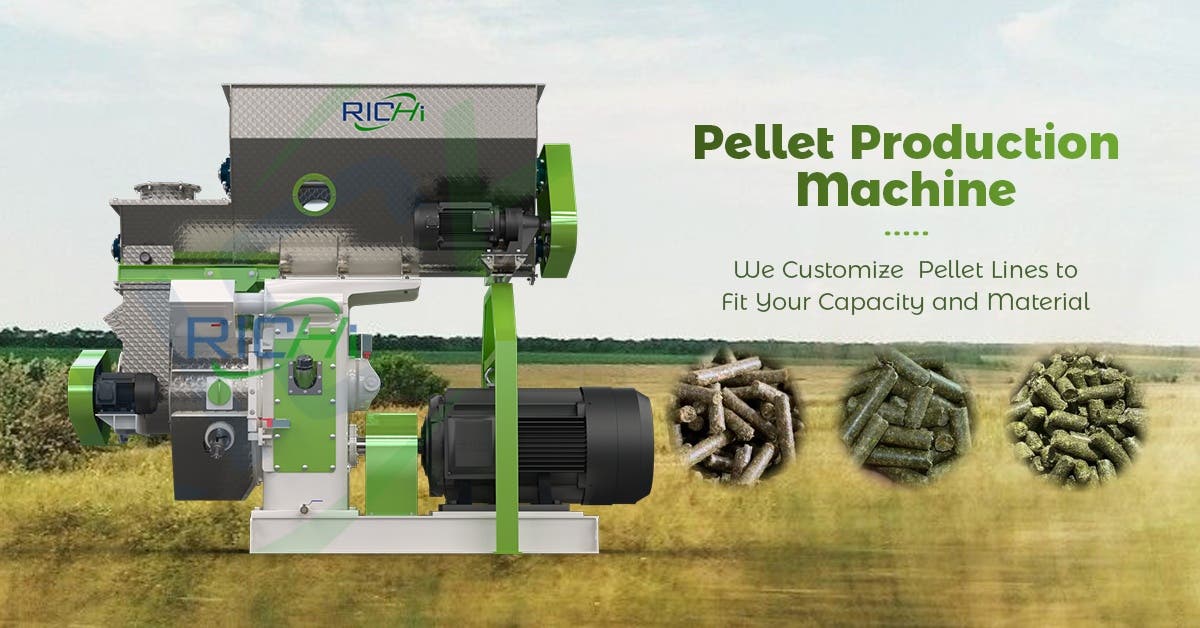
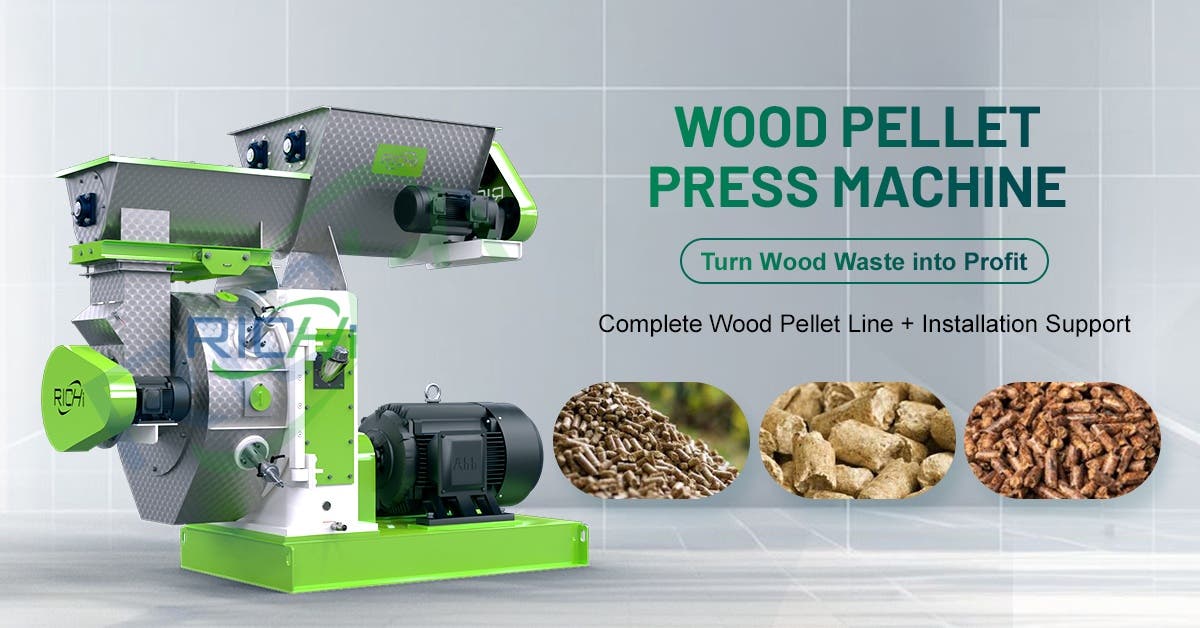
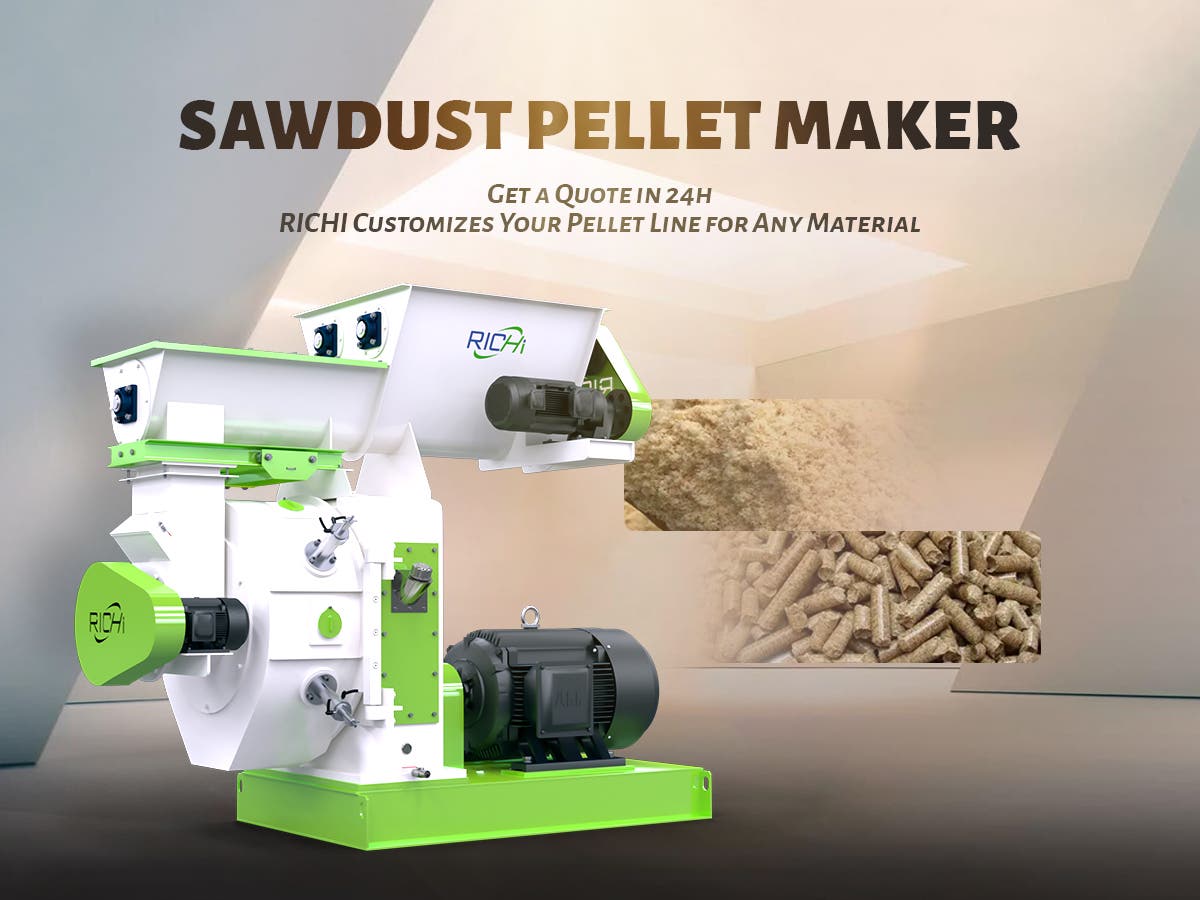
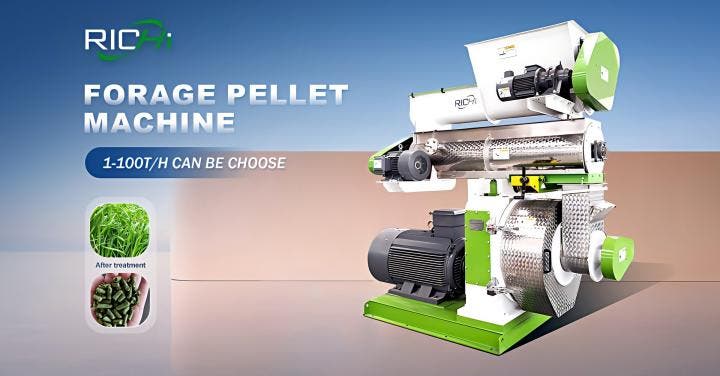
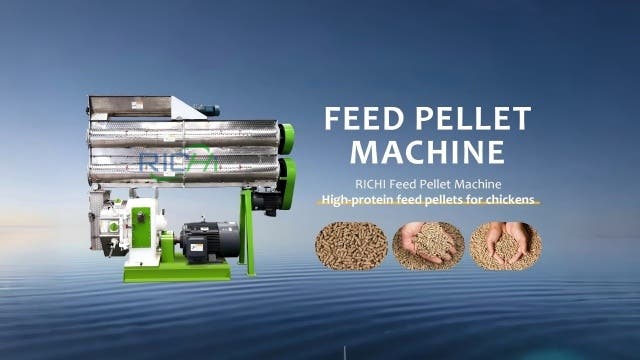
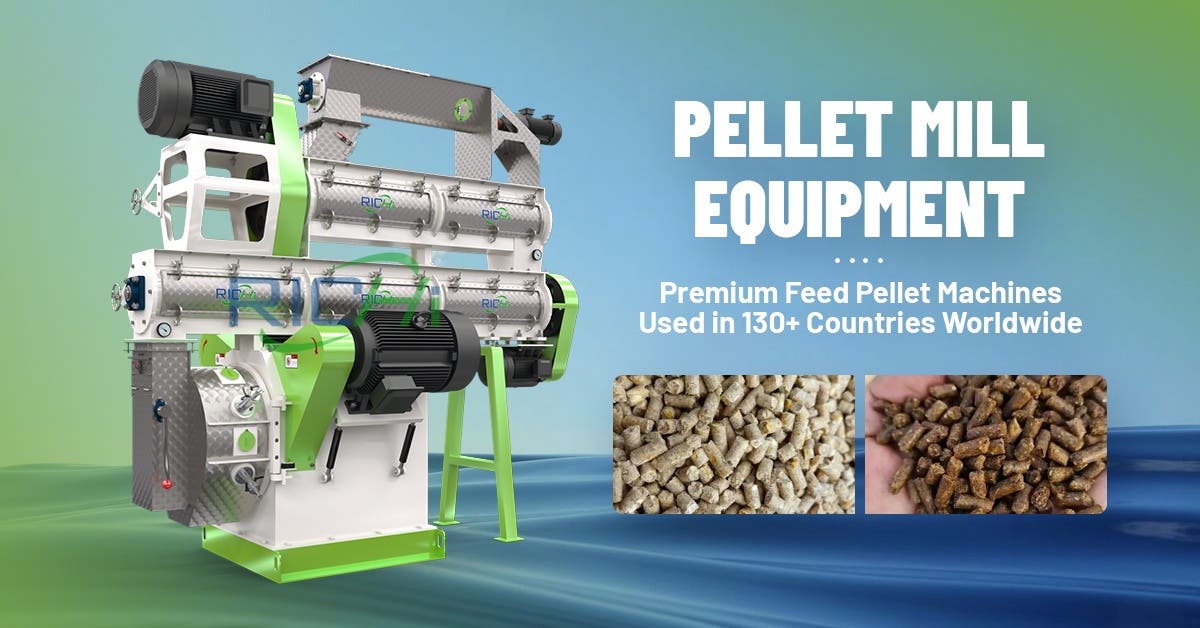
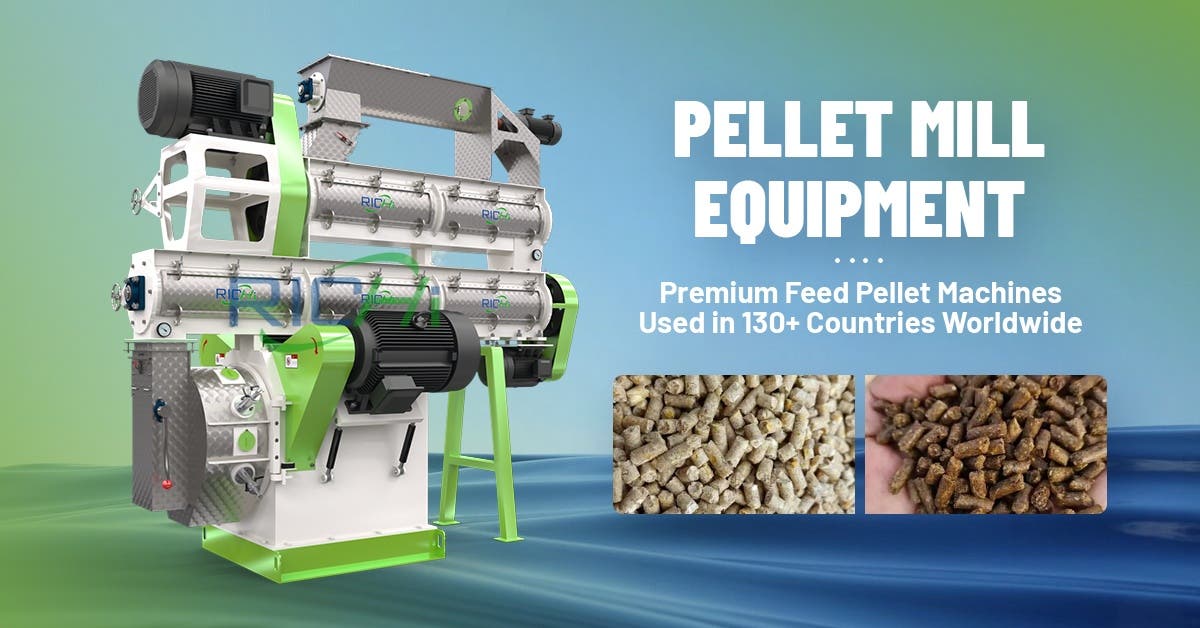
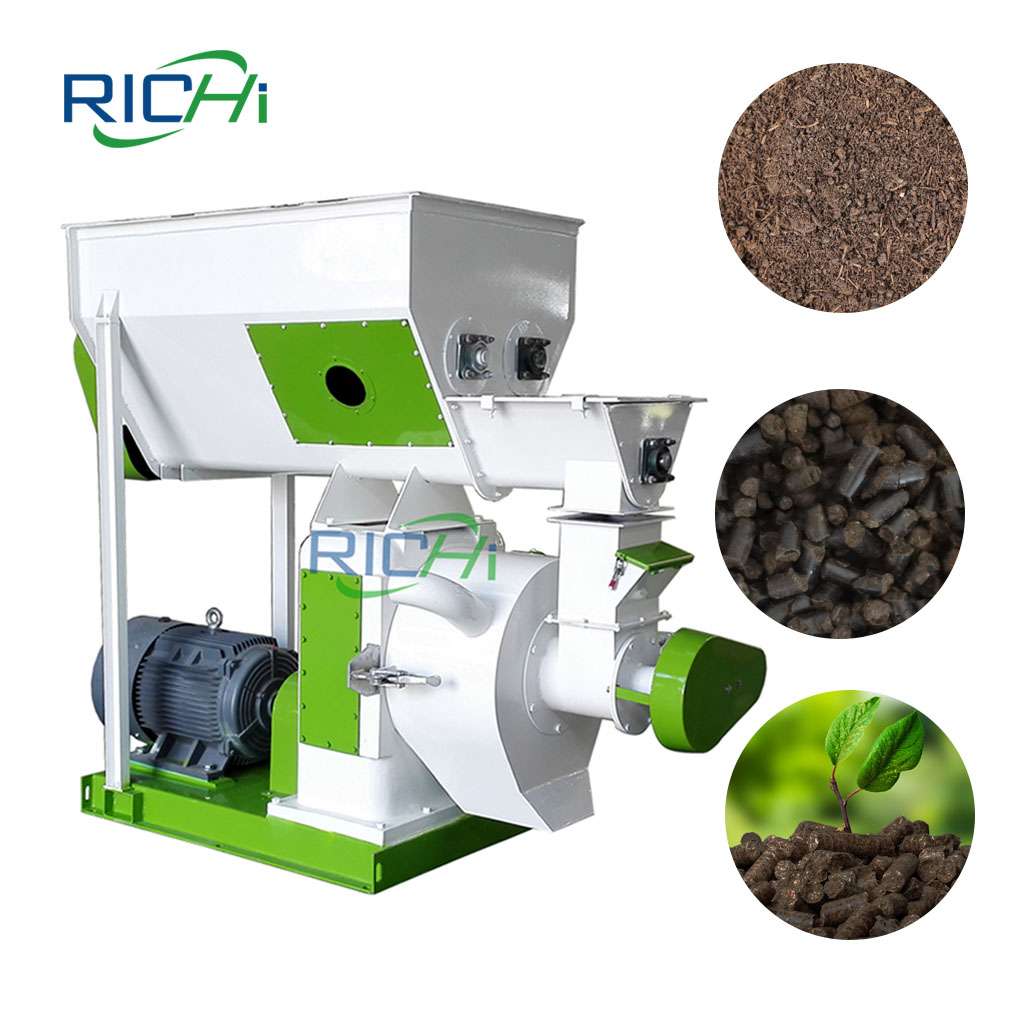
The core of the system is the industrial livestock feed pellet machine. This equipment compresses the mixed materials into uniform pellets, making the feed easier for animals to consume and reducing waste. A livestock feed pellet machine is especially valuable for small farms because it improves feed efficiency and allows farmers to produce customized feed for different animals.
After pelleting, the feed must be cooled to reduce temperature and moisture. Simple cooling systems or natural air cooling methods can be used in smaller setups. Proper cooling ensures that pellets remain stable during storage and do not develop mold.
One of the main advantages of a compact livestock feed production line is cost control. Farmers can produce their own feed instead of relying on expensive commercial products. This not only reduces expenses but also allows greater flexibility in adjusting feed formulas based on available resources.
Another benefit is operational simplicity. Compact systems are easier to install, maintain, and operate, making them ideal for farms with limited technical expertise. Despite their smaller size, these systems can still deliver high-quality results when properly managed.
In conclusion, a compact livestock feed production line is an excellent solution for small and medium farms seeking efficiency and independence. With key equipment such as a livestock feed pellet machine, farmers can produce reliable, nutritious feed while keeping costs under control.